
Buy Pu-erh Tea: Your Guide to a Unique and Flavorful Brew
buy pu erh tea

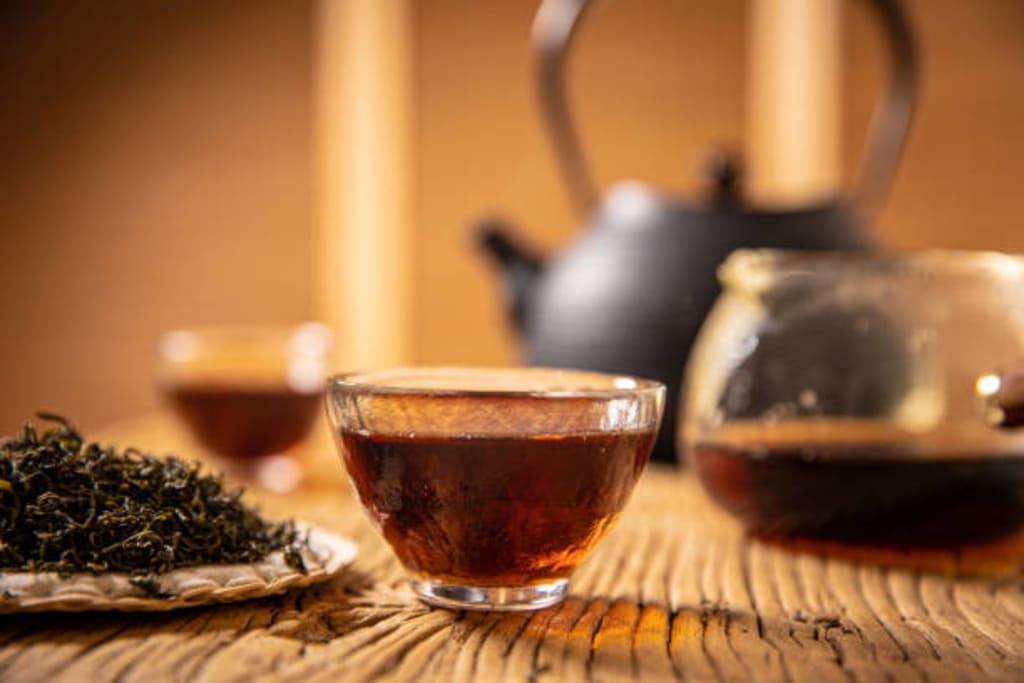
Pu-erh tea, a fermented delight hailing from China’s Yunnan province, has enchanted tea lovers worldwide with its earthy, intricate flavors and deep-rooted history. Whether you’re a seasoned tea aficionado or a curious beginner, purchasing Pu-erh tea opens the door to a captivating blend of tradition and taste. In this 1000-word guide, we’ll dive into everything you need to know about Pu-erh tea—from its origins and varieties to brewing techniques and where to source the best options. By the end, you’ll feel confident to buy Pu-erh tea and savor its exceptional qualities.
What is Pu-erh Tea?
Pu-erh tea is a fermented tea crafted from the leaves of the Camellia sinensis plant, specifically the large-leaf varieties native to Yunnan, China. Unlike other teas, Pu-erh undergoes a microbial fermentation process that imparts a distinctive earthy flavor, which intensifies as it ages. This aging, akin to that of fine wine, makes Pu-erh a treasure for collectors and enthusiasts alike.
There are two primary types of Pu-erh tea:
Raw (Sheng) Pu-erh: Naturally fermented over years or even decades, raw Pu-erh begins with a fresh, green taste that matures into a rich, mellow profile.
- Ripe (Shou) Pu-erh: Subjected to an accelerated fermentation process, ripe Pu-erh delivers a smoother, more uniform flavor with hints of wood, earth, and occasionally chocolate.
Each type offers a distinct experience, and your preference will guide your choice.
The Origins of Pu-erh Tea
Pu-erh tea boasts a history spanning over 1,700 years. Originating in Yunnan, it was initially produced for trade along the ancient Tea Horse Road, a vital network linking China to Tibet and beyond. Its ability to enhance with age made it a prized commodity, often serving as currency or tribute in historical exchanges.
Today, Pu-erh remains a cornerstone of Chinese culture, cherished for its flavor and reputed health benefits. Production stays centered in Yunnan, where the region’s unique climate and soil lend the tea its unmistakable character.
Why Buy Pu-erh Tea?
Purchasing Pu-erh tea is more than just acquiring a drink—it’s an embrace of history and a sensory journey. Here’s what sets Pu-erh apart:
- Distinctive Taste: Its earthy, sometimes smoky flavor ranges from light and floral to deep and bold, appealing to diverse palates.
- Aging Potential: Pu-erh can mature over time, developing greater complexity, much like a fine wine.
- Cultural Connection: Sipping Pu-erh links you to centuries of tradition and artisanal skill.
- Versatility: Enjoy it solo or pair it with meals, making it a flexible addition to your tea repertoire.
For those eager to dive into this remarkable tea, click here to buy Pu-erh tea and explore a handpicked selection of top-quality options tailored to your taste.
How to Choose the Right Pu-erh Tea
With a plethora of options, picking the perfect Pu-erh tea might seem daunting. Here’s how to narrow it down:
- Raw vs. Ripe: Choose raw Pu-erh for a lighter, evolving flavor or ripe Pu-erh for a smoother, consistent taste.
- Age Matters: Younger Pu-erh (1-5 years) is brighter and more astringent, while older teas (10+ years) offer a mellower, richer experience.
- Verify Authenticity: Opt for tea sourced from Yunnan and made traditionally—reputable sellers will share origin and processing details.
- Form Factor: Pu-erh comes as loose leaves, compressed cakes, or bricks. Loose leaves suit beginners, while compressed forms are great for aging.
These considerations will help you select a Pu-erh tea that matches your preferences.
Brewing Pu-erh Tea Like a Pro
Brewing Pu-erh tea is an art that unlocks its full flavor potential. Here’s a step-by-step guide:
- Rinse the Leaves: Steep the tea in hot water for a few seconds and discard the liquid to “wake up” the leaves.
- Water Temperature: Use boiling water (212°F or 100°C) for ripe Pu-erh, and slightly cooler (195–205°F or 90–96°C) for raw Pu-erh.
- Steeping Time: Begin with a 10-20 second steep for the first infusion, extending it for later steeps. Pu-erh can be brewed multiple times, unveiling new flavors each round.
- Tea-to-Water Ratio: Aim for 1 gram of tea per 15-20 ml of water for a robust brew, adjusting to your liking.
Play with times and temperatures to perfect your cup—Pu-erh’s depth rewards experimentation.
Health Benefits of Pu-erh Tea
Beyond its taste, Pu-erh tea is prized for potential health perks. While research continues, here’s what’s suggested:
- Digestive Support: Its probiotics from fermentation may promote gut health and digestion.
- Cholesterol Control: Studies hint that Pu-erh could lower LDL cholesterol while boosting HDL.
- Weight Management: Compounds in Pu-erh might enhance metabolism and fat loss, though it’s no quick fix.
- Antioxidant Boost: Rich in antioxidants, Pu-erh helps fight free radicals and supports wellness.
Enjoy Pu-erh moderately, especially if caffeine affects you, as it contains 30-70 mg per cup.
Where to Buy Pu-erh Tea
Quality is key when buying Pu-erh tea. Here’s where to look:
- Specialty Tea Shops: Seek retailers focused on Chinese teas with detailed product info.
- Online Platforms: Amazon or dedicated tea websites offer variety—check reviews and ratings.
- Direct from Producers: Some Yunnan makers sell straight to buyers, guaranteeing freshness.
- Local Tea Houses: If nearby, tea houses may stock premium Pu-erh and let you sample before buying.
Choose vendors who are open about sourcing and production for the best experience.
Conclusion
Pu-erh tea invites you into a realm of bold flavors, timeless traditions, and possible health benefits. Whether you’re captivated by its earthy essence, its aging allure, or its cultural depth, buying Pu-erh tea promises a rewarding adventure. Armed with this guide’s insights, you’re ready to explore Pu-erh’s vast offerings and find a brew that resonates with you. Take the plunge—let each sip whisk you away to Yunnan’s misty highlands.
FAQs About Pu-erh Tea
1. What does Pu-erh tea taste like?
Pu-erh tea features a unique earthy taste, often woody, smoky, or mushroom-like. Raw Pu-erh leans astringent, while ripe Pu-erh is smoother and deeper.
2. How is Pu-erh tea different from other teas?
Its microbial fermentation sets it apart, yielding a complex flavor that can improve with age—unlike most teas.
3. Can I drink Pu-erh tea every day?
Yes, it’s fine for daily enjoyment, but limit intake if caffeine (30-70 mg per cup) bothers you.
4. How should I store Pu-erh tea?
Keep it in a cool, dry spot away from strong smells. For aging, use a breathable container like a clay jar or paper bag.
5. Is Pu-erh tea good for weight loss?
It may support metabolism and fat reduction per some studies, but it’s most effective alongside a healthy lifestyle.
About the Creator
Backyard Brew
Since 2016, Backyard Brew has been crafting unique coffee and tea blends that bring comfort and joy to every cup. Experience our local touch in every sip.
Keep reading
More stories from Backyard Brew and writers in Lifehack and other communities.
Single Origin Coffee: A Journey Through Unique Flavors
Coffee lovers around the world appreciate the distinct flavors that come from different regions. Single origin coffee, known for its purity and traceability, offers an authentic taste that reflects the soil, climate, and cultivation methods of its origin. Unlike blends, which combine beans from multiple sources, single origin coffee provides a unique sensory experience that showcases the specific characteristics of a region.
By Backyard Brewabout a year ago in Lifehack
Kitchen Renovation Material Trends (2026 Report)
The 2026 kitchen is a study in deliberate, thoughtful evolution. Homeowners and designers are moving away from the stark minimalism and cold, sterile palettes that have dominated recent years. In their place, a new design language is emerging—one that speaks to our collective desire for warmth, tranquility, and a deeper connection to craftsmanship. This year, the kitchen is not just a place to cook; it is the hearth of the home, a multi-functional sanctuary designed for living, working, and gathering. The trends shaping this transformation are rich with texture, grounded in nature, and seamlessly integrated with invisible technology. This report delves into the definitive material trends of 2026, exploring how surfaces, colors, and finishes are being reimagined to create spaces that are both visually stunning and profoundly personal.
By Flooring Tips5 days ago in Lifehack
Sometimes It's Like That and That'sThe Way It Is
It was the late 1960s, and ten-year-old Gloria Coleman was standing with her grandmother on the side of the highway waiting for the bus. As the Greyhound pulled up, it seemed monstrous and intimidating. Grandma Elizabeth grabbed Gloria's hand, holding it tightly as they boarded.
By Cheryl E Preston2 days ago in Fiction



Comments
There are no comments for this story
Be the first to respond and start the conversation.