
The deadliest thing in your kitchen!!!
Dangerous Appliance in the kitchen

Despite their seemingly innocent appearance, avocados caused over 9,000 visits to US emergency departments only in 2018. Avocado hand is the term given by doctors to injuries caused by slicing or hacking at the pit while holding the fruit.
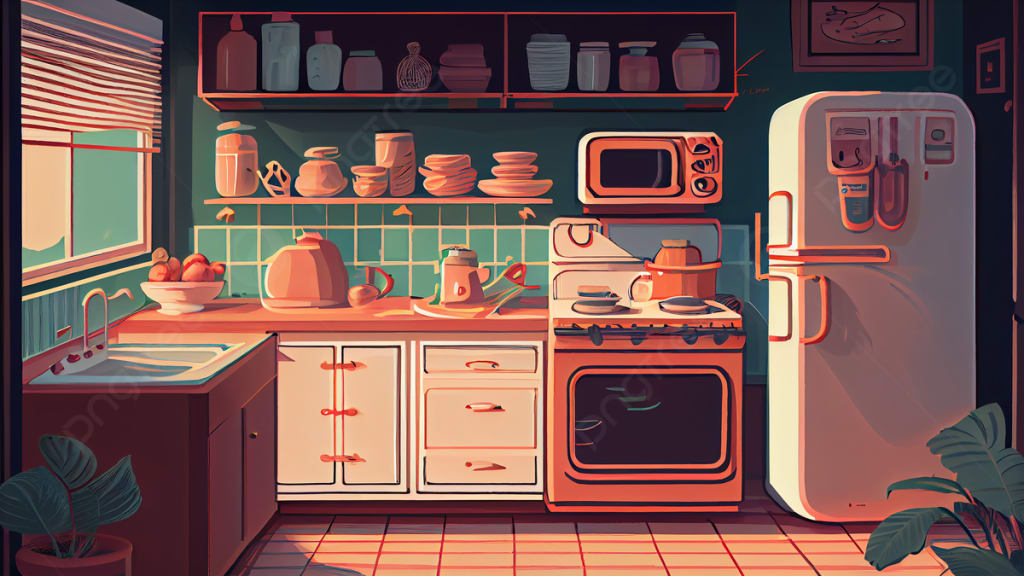
Undoubtedly, there is a safer method for chopping avocados. However, blades are only one of the risks that kitchens provide. Ovens and ranges, which combine stoves and ovens, were the most deadly kitchen equipment in the US between 2011 and 2022. They killed people by starting fires and releasing carbon monoxide, a chemical that, in high quantities, may suffocate people.
Fortunately, these kinds of unexpected, devastating deaths are uncommon. However, the kitchen hazards that result in the greatest number of fatalities could be more gradual and less immediate—involves ongoing exposures, such as substances found in our air. Stoves and ovens continue to be a big offender in this regard. Air pollution is, in fact, the fourth-largest cause of years of life lost worldwide. Cooking is mostly responsible for indoor air pollution.
More than 2 billion people use solid fuels like wood and charcoal to cook. Incomplete combustion results from fire and oxygen not reaching all of the fuel source during combustion. Pollutants such as soot, carbon monoxide, nitrogen oxides, and a large amount of particulate matter—solid and liquid particles that have entered the atmosphere—are produced as a result and sufficiently tiny for inhalation. Many distinct compounds can be found in a single particle.
In particular, microscopic particles have the ability to enter the circulation, travel deep into the lungs, irritate tissues, induce inflammation, and result in other systemic difficulties. About 3 million individuals are thought to pass away too soon each year as a result of diseases brought on by burning solid fuels. Although they still emit a significant quantity of pollution, stoves and ovens that don't utilize solid fuels produce significantly less. Gas and electric are the two primary varieties.
Methane is the main fuel burned in gas stoves to provide an open flame for cooking. Conventional electric stoves employ heat-radiating metal components when they are subjected to an electrical current. They vary from contemporary induction electric stoves, which directly heat iron and steel cookware by inducing currents using electromagnetic waves.
Compared to electric stoves, gas burners emit more pollutants. This is due to the fact that burning natural gas releases pollutants such as formaldehyde, nitrogen oxides, and carbon monoxide. It's very challenging to pinpoint the exact causes of chronic illnesses, but mounting data indicates that gas stoves worsen asthma symptoms and raise children's chances of getting the illness. Although electric ranges are less polluting than gas ones, no range is completely pollution-free. The cooking procedure will inevitably result in some air pollution, regardless of the fuel type.
Since burning a solid fuel isn't all that different from charring a steak, high-heat cooking often emits more pollutants than lower-heat techniques. Additionally, when heated, materials like dust and oil can build and produce pollutants. Making the switch from solid fuels is essential to enhancing indoor air quality and, as a result, prolonging people's lives. Making the conversion from gas to electric and cooking with adequate ventilation—ideally from a strong range hood that vents to the outdoors—will also make a big difference.
Another important indicator is the global climate, which indicates that electric appliances are less harmful. Carbon dioxide, which warms the environment, is released when fossil fuels like natural gas are burned. Methane, an even more powerful greenhouse gas, can also escape from gas ranges. Meanwhile, as grids switch to renewable energy sources, electric appliances should only become more climate-compatible.
When it comes to cooking efficiency and cleaning simplicity, electric induction stoves often perform on par with or better than all other stove types, including gas and electric, in addition to being healthier for the environment and the general public.
Additionally, you cannot burn yourself directly on an induction cooktop since they only heat objects that react significantly to their magnetic fields. Some governments have prohibited gas appliances from new constructions due to serious health and climate-related issues, and many are assisting in the subsidization of the switch from gas to electric appliances. However, since knives are likely to remain unchanged, please refrain from slicing avocados while holding them.
About the Creator
Keep reading
More stories from Writing Palette and writers in Lifehack and other communities.
What does staying up all night do to your brain?
A leisurely spring break is only one Roman Empire history final away. However, you still have a ton of studying to do! You are battling your body's natural circadian cycles when you remain up all night. These are the cyclical changes, like sleeping and waking, that almost all living organisms go through in a 24-hour period, and light has a big impact on them.
By Writing Paletteabout a year ago in Psyche




Comments
There are no comments for this story
Be the first to respond and start the conversation.