
The Click That Cost Me Everything
One wrong click. One fake email. Thousands lost—and a powerful lesson in how to protect your digital life before it’s too late.

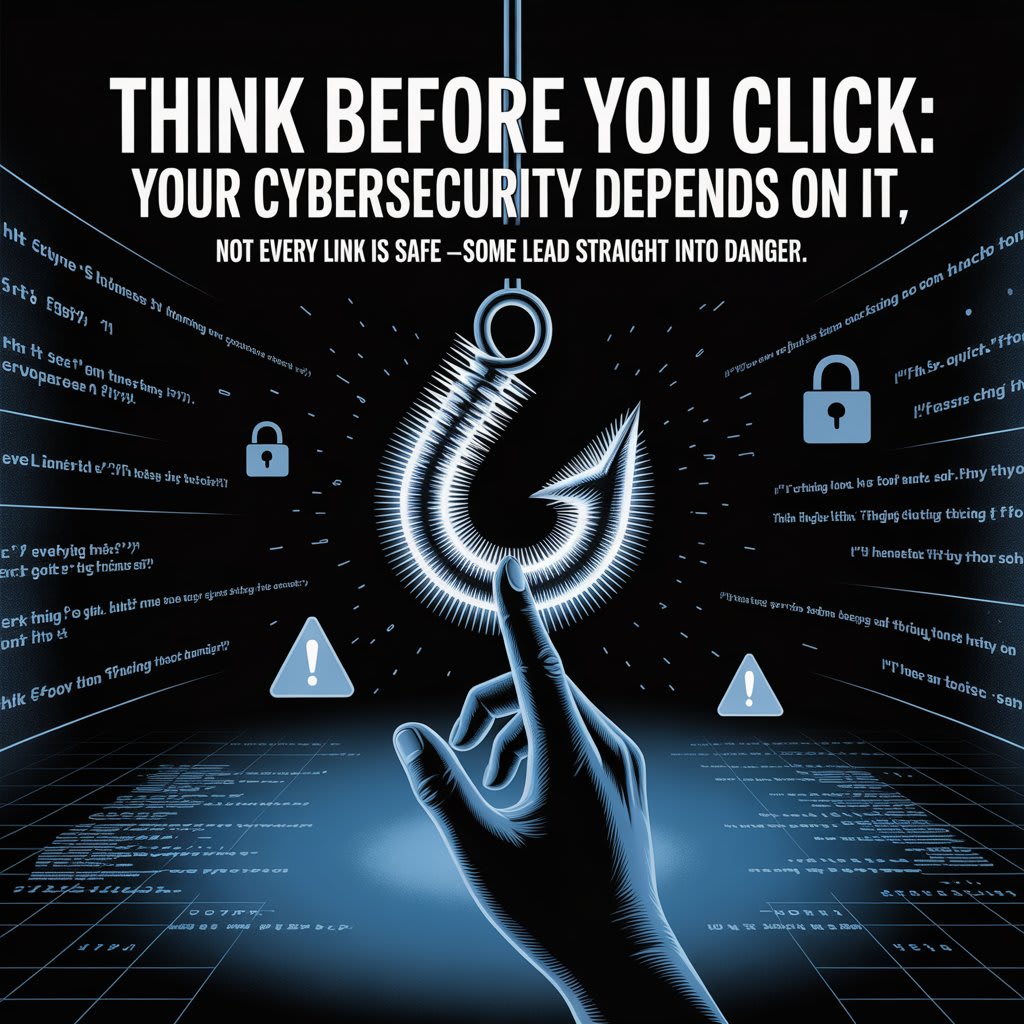
The Best Month of My Life:
I was finally winning at life. After years of hustle, anxiety, and burnout, I had landed my dream job: remote marketing manager for a tech startup in San Francisco. It came with flexible hours, good pay, and best of all—I could work from home in Ohio, close to my parents. I’d just bought my first car. My savings account was healthy. I was planning to put down a deposit on a cozy starter home by summer.
Everything felt stable. Safe. Maybe for the first time in my adult life. Then came the email.
The Email That Looked So Real:
It was a Tuesday morning. I remember it vividly. Birds chirping. Coffee brewing. Me in my favorite hoodie, typing away on my porch.
Then I saw the subject line pop into my inbox:
“URGENT: Update Your Direct Deposit Information Before 5 PM”
The sender? [email protected] logo? Identical to what I’d seen before. The tone? Formal. Professional. Normal.
I barely hesitated. I was on a call with my mom. Half-listening. Half-working. Multitasking like we all do.
I clicked the link. It took me to what looked like our internal HR portal. Same colors. Same layout. I typed in my credentials. Entered my banking details.
Clicked Submit.
And in that one second, I unknowingly handed a complete stranger access to my identity, my paycheck, and everything I’d worked for.
The Aftermath: Silence, Then Panic:
Two hours later, I got a call from Karen, the real HR manager.
“Hey, Maya… quick question. Did you get some kind of message from us about your bank details?”
My stomach flipped. “Yeah… I updated it. The email said—” “That wasn’t us,” she interrupted. “We haven’t sent anything like that.”
I remember the silence after that. A kind of hollow dread. I opened my banking app. $7,200 gone. Wired to an international account. Untraceable. All my savings. My emergency fund. My house deposit. Everything. Gone.
What Really Happened?
The next few days were a blur. I filed a police report. I called my bank. I froze my accounts. I talked to IT.
Here’s what I learned:
The email wasn’t just a random phishing attempt. It was a spear-phishing attack—a targeted scam crafted specifically for me. They’d studied my LinkedIn. Seen where I worked. Knew my title. Maybe even watched my Slack messages or company updates. They imitated my company’s communication style. They knew enough to fake trust. And I, someone who considered herself “tech-savvy,” fell for it in less than 30 seconds.
The Embarrassment No One Talks About:
You know what hurt the most?
The shame. I didn’t want to tell anyone at first. I felt stupid. Naive. How could I fall for something so obvious? But here’s the truth: scammers are professionals now. They aren’t just sending “Nigerian prince” emails anymore. They’re using psychology, timing, and personalization to target real people—with terrifying precision. The more I started talking about it, the more stories I heard. A teacher who lost her entire paycheck. A single mom who had her identity stolen. A retiree who lost their life savings. I wasn’t alone.
My Cybersecurity Awakening:
Once the shock faded, I got curious. I started reading everything I could: blogs, Reddit threads, YouTube channels. I learned about:
Two-factor authentication (2FA) — simple, powerful, and underused. Password managers — because “Summer2023!” isn’t as clever as you think. Phishing red flags — mismatched URLs, urgent tone, sketchy links. Dark web leaks — where your old passwords may already be floating. I turned my pain into passion. I began writing about my experience online. My first post was titled: “Cyber Sins I Paid For: How I Lost $7,200 in One Click” It went viral. People commented. Shared. Thanked me. Some even caught scams in time because of it.
From Victim to Advocate:
I started volunteering with local schools, talking to students about digital safety. Then I spoke at community centers. Then tech companies invited me to share my story. Eventually, I launched a small nonprofit called ClickSafe—a support hub for cyber-scam victims and an education platform for everyday users. Today, we’ve helped thousands recognize and recover from digital threats. I still work in marketing. But cybersecurity awareness is my mission now. Because I know what it’s like to feel safe… and lose everything in a blink.
The Truth No One Wants to Admit:
We all think:
“I’m smart enough to avoid that.”
“I’d never fall for something fake.”
But that’s exactly what scammers count on. They want you comfortable. Distracted. Overconfident. It doesn’t matter if you’re rich, poor, young, old, tech-savvy, or a total newbie. If you have data, you’re a target. Cybersecurity isn’t about paranoia. It’s about preparedness.
Final Thoughts: Read This Before You Click:
Here’s how you can protect yourself—today:
Enable 2FA on everything. Yes, even your email. Use unique passwords for each site. A manager like Bitwarden or 1Password helps.
Think before you click. Hover over links. Check senders. Slow down. Update your software. Yes, those annoying updates fix real security holes. Trust your gut. If something feels off, it probably is. I lost thousands. But you don’t have to. Don’t wait to become a cautionary tale. Let my story be your wake-up call. Protect yourself—because one click can cost you everything.
Author’s Note:
This story is based on real cyberattack patterns and victim testimonials. Details have been fictionalized for privacy. The threat is real. The lesson is urgent.
About the Creator
Syeed Zeeshan
Software engineer with a passion for coding, digital marketing, and crypto (Binance). Tech-savvy, football lover, and always exploring new trends in tech, finance, and innovation.
Keep reading
More stories from Syeed Zeeshan and writers in Lifehack and other communities.
Prioritize You
In today’s fast-paced world, self-care is often misunderstood as indulgence—something reserved for weekends, spa days, or special treats. But in reality, self-care is a daily necessity, not a luxury. It's a conscious act to preserve and improve your mental, emotional, and physical health. Especially in times of stress, uncertainty, or overwhelming responsibilities, taking time for self-care isn't selfish—it's essential.
By Syeed Zeeshan10 months ago in Lifehack
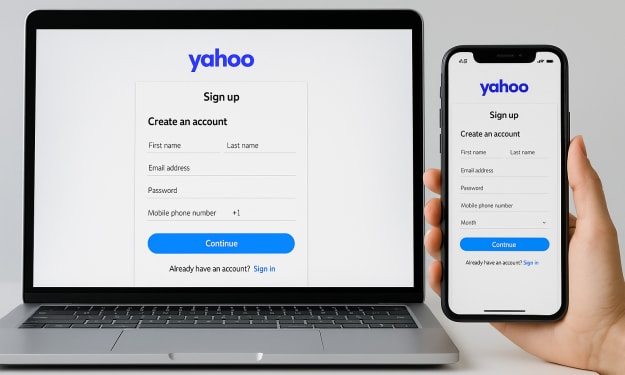
How to Recover a Yahoo Account: The Ultimate Step-by-Step Guide for 2026
Losing access to your Yahoo account can feel like losing a digital key to your personal and professional life. With a history that includes some of the largest data breaches globally, securing and knowing how to recover your account is more critical than ever. Whether you’ve been locked out due to a forgotten password, a hacked account, or an old, inactive email address, this comprehensive guide walks you through every official method to regain access. We will cover explicit recovery techniques, essential protection strategies to prevent future lockouts, and answer the most frequently asked questions, all based on professional insights.
By Alexander Hoffmann2 days ago in Lifehack
Kitchen Renovation Material Trends (2026 Report)
The 2026 kitchen is a study in deliberate, thoughtful evolution. Homeowners and designers are moving away from the stark minimalism and cold, sterile palettes that have dominated recent years. In their place, a new design language is emerging—one that speaks to our collective desire for warmth, tranquility, and a deeper connection to craftsmanship. This year, the kitchen is not just a place to cook; it is the hearth of the home, a multi-functional sanctuary designed for living, working, and gathering. The trends shaping this transformation are rich with texture, grounded in nature, and seamlessly integrated with invisible technology. This report delves into the definitive material trends of 2026, exploring how surfaces, colors, and finishes are being reimagined to create spaces that are both visually stunning and profoundly personal.
By Flooring Tips4 days ago in Lifehack


Comments
There are no comments for this story
Be the first to respond and start the conversation.