
The Best Mental Health Tips for Online Workers
How Freelancers Can Thrive in the Remote World

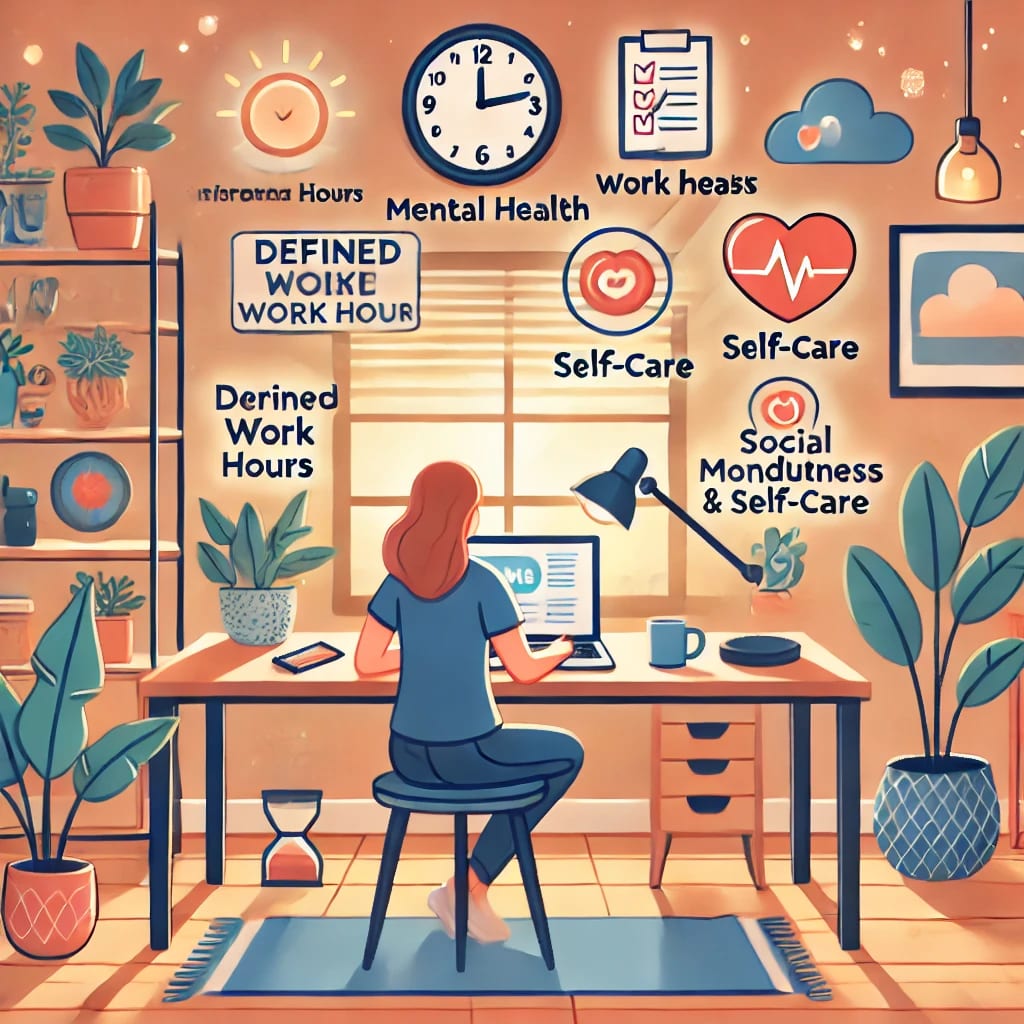
Introduction: The Mental Health Challenges for Freelancers
Freelancing offers unparalleled flexibility and independence, but it comes with unique mental health challenges that can hinder productivity, creativity, and overall well-being. Working remotely often blurs boundaries between work and personal life, can result in social isolation, and may lead to unpredictable workloads that affect work-life balance. Recognizing these mental health risks is essential for building a fulfilling, sustainable freelance career.
By establishing effective routines, setting boundaries, and prioritizing self-care, freelancers can mitigate these risks and create an environment that supports both mental health and professional success.
1. Setting Boundaries: The Foundation of Freelance Well-Being
One of the most critical mental health tips for freelancers is setting boundaries. Unlike traditional jobs, freelancing lacks clear-cut distinctions between work and personal time, making it easy for work to spill over into evenings, weekends, and even family time.
a. Create a Designated Workspace
Having a dedicated workspace—whether it’s a separate room, a specific desk, or even a well-organized corner—can help signal to your mind that it's time for work. A designated area allows you to mentally “leave” work at the end of the day, fostering relaxation and preventing work-related stress from following you around your home. Research shows that physical boundaries help reinforce mental boundaries, essential for relaxation and focus (APA, 2019).
b. Define Work Hours and Stick to Them
Setting specific work hours, even with a flexible schedule, is essential for mental health. Notify clients of your availability to avoid the expectation that you’re reachable at all times. Studies indicate that freelancers who set work hours are more likely to avoid burnout than those who are perpetually "on call" (Smith & Williams, 2020).
c. Use Visual and Verbal Cues for Boundaries
Small cues, like putting your laptop away or switching to personal devices at the end of the workday, can reinforce the transition from work to personal time. Setting an out-of-office reply for after hours or simply turning off notifications can help you reclaim personal time.
2. The Power of Routine: Maintaining Focus and Motivation
Creating a structured routine can reduce stress, improve focus, and eliminate decision fatigue—common pitfalls for freelancers.
a. Start with a Morning Routine
A productive day often begins with a consistent morning routine. This could include activities like exercising, having breakfast, or setting goals for the day. Routines have been shown to reduce stress and increase mental clarity, helping freelancers avoid the aimless or "floating" feeling often associated with unstructured time (Harvard Business Review, 2021).
b. Create a Workday Wrap-Up Routine
Ending the day with a consistent routine, such as organizing your workspace, summarizing accomplishments, or planning for the next day, helps signal that it’s time to shift from work to relaxation. This mental transition is essential for “switching off” and preventing prolonged work stress from creeping into personal time.
c. Plan Weekly and Monthly Goals
Freelancers benefit from setting longer-term goals that break down tasks into manageable steps. Planning a few days or even weeks ahead helps reduce last-minute stress, allows for a more focused approach, and improves productivity.
3. Taking Breaks and Moving Regularly: Avoiding Physical and Mental Fatigue
Regular breaks are vital to maintaining mental clarity and avoiding burnout, especially when sitting for long hours at a desk.
a. Use the Pomodoro Technique
The Pomodoro Technique—25 minutes of focused work followed by a 5-minute break—has been shown to improve focus and prevent mental fatigue (Pomodoro Technique, 2020). After four cycles, a longer break (15–30 minutes) is recommended. These intervals help freelancers maintain sustained concentration without overworking.
b. Engage in Physical Activity
Short bursts of physical activity, like stretching or a quick walk, can reduce tension and improve circulation, particularly for those sitting for long periods. Exercise, even in brief sessions, releases endorphins that elevate mood, reduce stress, and increase energy levels. Research shows that regular movement breaks enhance both physical and mental health for remote workers (CDC, 2019).
4. Staying Social and Building Connections: Combating Isolation
Freelancers often work alone, which can lead to social isolation and negatively impact mental health.
a. Join Online Communities and Forums
Engaging in online freelancer communities—such as Reddit’s r/freelance, LinkedIn groups, or specific forums for writers, designers, and developers—can provide a sense of community and access to valuable advice and support. Building these virtual relationships can mitigate feelings of loneliness.
b. Schedule Regular Social Interactions
Make a point to connect with friends, family, or fellow freelancers, even if it’s virtual. Scheduling lunch breaks with friends or joining virtual coworking sessions can help break up the day and provide much-needed social interaction. Research has shown that even brief social interactions can enhance well-being and reduce stress (Social Psychology Network, 2019).
c. Find an Accountability Partner
Having a fellow freelancer to check in with regularly can improve motivation and provide a support system for tackling challenges. Sharing goals, discussing setbacks, and celebrating achievements with someone who understands the freelance lifestyle can help maintain motivation and morale.
5. Self-Care Essentials: Supporting Physical and Mental Resilience
Prioritizing self-care is fundamental to long-term mental health and productivity for freelancers.
a. Prioritize Quality Sleep
Sleep impacts cognitive function, mood, and energy levels. Setting a consistent bedtime and creating a relaxing pre-sleep routine can improve sleep quality, which is essential for focus and resilience (National Sleep Foundation, 2019).
b. Maintain a Balanced Diet
Eating a well-balanced diet, including a variety of nutrients and staying hydrated, can influence mental clarity and physical energy. Freelancers who work from home may be tempted to skip meals or snack on unhealthy foods; planning meals in advance can support consistent nutrition and energy levels.
c. Incorporate Regular Exercise
Exercise, whether it’s a daily walk, yoga, or strength training, boosts endorphins, improves focus, and reduces stress. Regular exercise is particularly beneficial for remote workers, as it helps counterbalance the sedentary nature of desk work (WHO, 2020).
6. Practicing Mindfulness and Stress Management
Mindfulness practices can help freelancers manage stress and improve resilience.
a. Meditation and Deep Breathing Exercises
Meditation and deep breathing have been shown to reduce anxiety and improve focus. Simple techniques, like five minutes of deep breathing or guided meditation apps, can be especially effective for freelancers dealing with the uncertainties of client work.
b. Journaling to Clear Mental Clutter
Journaling allows freelancers to articulate thoughts and emotions, which can help reduce stress and clarify goals. Regular journaling has been associated with improved mental health and can serve as a mental check-in to manage stress (Pennebaker, 2017).
c. Practice Digital Detox
Freelancers often work on screens for extended periods, which can lead to eye strain, mental fatigue, and stress. Setting boundaries around screen time and incorporating non-digital activities—such as reading, cooking, or gardening—can help reduce these effects and recharge mental energy.
7. Knowing When to Seek Professional Support
Mental health support is invaluable, particularly when facing prolonged stress, self-doubt, or financial concerns that often come with freelancing.
a. Online Therapy and Counseling
Online therapy platforms like BetterHelp or Talkspace provide accessible mental health support tailored to individual needs. Professional therapy can be a proactive step in managing anxiety, addressing career-related stress, or working through challenges unique to freelancing.
b. Use of Mental Health Apps
Mental health apps, such as Headspace and Calm, offer guided meditation, stress management techniques, and even sleep aids. These resources can serve as daily reminders and help freelancers maintain emotional balance.
c. Building a Support Network
Consider joining support groups or connecting with a mentor who understands the freelance landscape. Having someone to turn to during difficult times can ease the emotional burden and provide fresh perspectives on problem-solving.
Conclusion : The Mental Health Challenges for Freelancers
Freelancing can be a rewarding career path when mental health is prioritized. By setting boundaries, establishing routines, taking regular breaks, staying socially connected, focusing on self-care, practicing mindfulness, and seeking support when needed, freelancers can create a sustainable work environment that supports both their personal and professional lives.
Integrating these mental health strategies into daily routines can enhance productivity, resilience, and overall job satisfaction. Ultimately, prioritizing mental well-being is key to thriving as an online worker in the remote world.
About the Creator
Taimur Kazmi
Taimur Kazmi is a passionate storyteller and writer on vocal media, weaving tales that explore the depths of human emotions, love, and life’s complexities. With a flair for evocative narratives and poetic reflections.
Keep reading
More stories from Taimur Kazmi and writers in Lifehack and other communities.
Garden Design Ideas
Gardening has become one of the most popular hobbies in the USA, especially as more people seek ways to beautify their homes and spend time outdoors. Whether you have a sprawling backyard, a small patio, or a cozy balcony, the right garden design can turn any space into a lush, inviting oasis. In this guide, we’ll explore innovative garden design ideas to inspire your next outdoor project.
By Taimur Kazmiabout a year ago in Lifehack
10 Simple Habits for Strong Teeth and Healthy Gums
Maintaining good oral health is essential not only for a bright smile but also for overall well-being. Your mouth is the gateway to your body, and poor oral hygiene can lead to various health problems such as gum disease, tooth decay, and even infections that may affect other parts of the body. Fortunately, taking care of your teeth and gums does not require complicated routines. With a few simple daily habits, you can keep your mouth healthy for years.
By Nenci Gajera a day ago in Lifehack
The Basics of Successful Property Renovation Projects.
Property renovation is a cornerstone of real estate development, especially in markets with distressed or foreclosed homes. In cities across the country—from rapidly growing metros to legacy industrial hubs—renovation plays a vital role in revitalizing housing stock and meeting buyer demand. Successful renovation projects require careful planning, disciplined execution, and proactive management to maximize value and ensure the property meets modern buyer expectations. When approached strategically, renovation transforms underutilized properties into desirable homes while strengthening communities and generating strong financial returns.
By JB Hoover, Newport Beach3 days ago in Lifehack
"Scream 7" (2026): Running out of Fresh Screams
This is the seventh time we’ve had a Ghostface crisis. Scream 7 is the latest edition of the Scream franchise. Sydney Prescott and her family are under attack by another anonymous killer dressed in a Ghostface costume. While having issues with her daughter, Tatum, they run from the bloody murders, trying to determine who is behind it all.
By Marielle Sabbag5 days ago in Horror



Comments
There are no comments for this story
Be the first to respond and start the conversation.