
The Benefits of Natural Soap: Why It's Better for Your Skin
Natural soaps are the best!
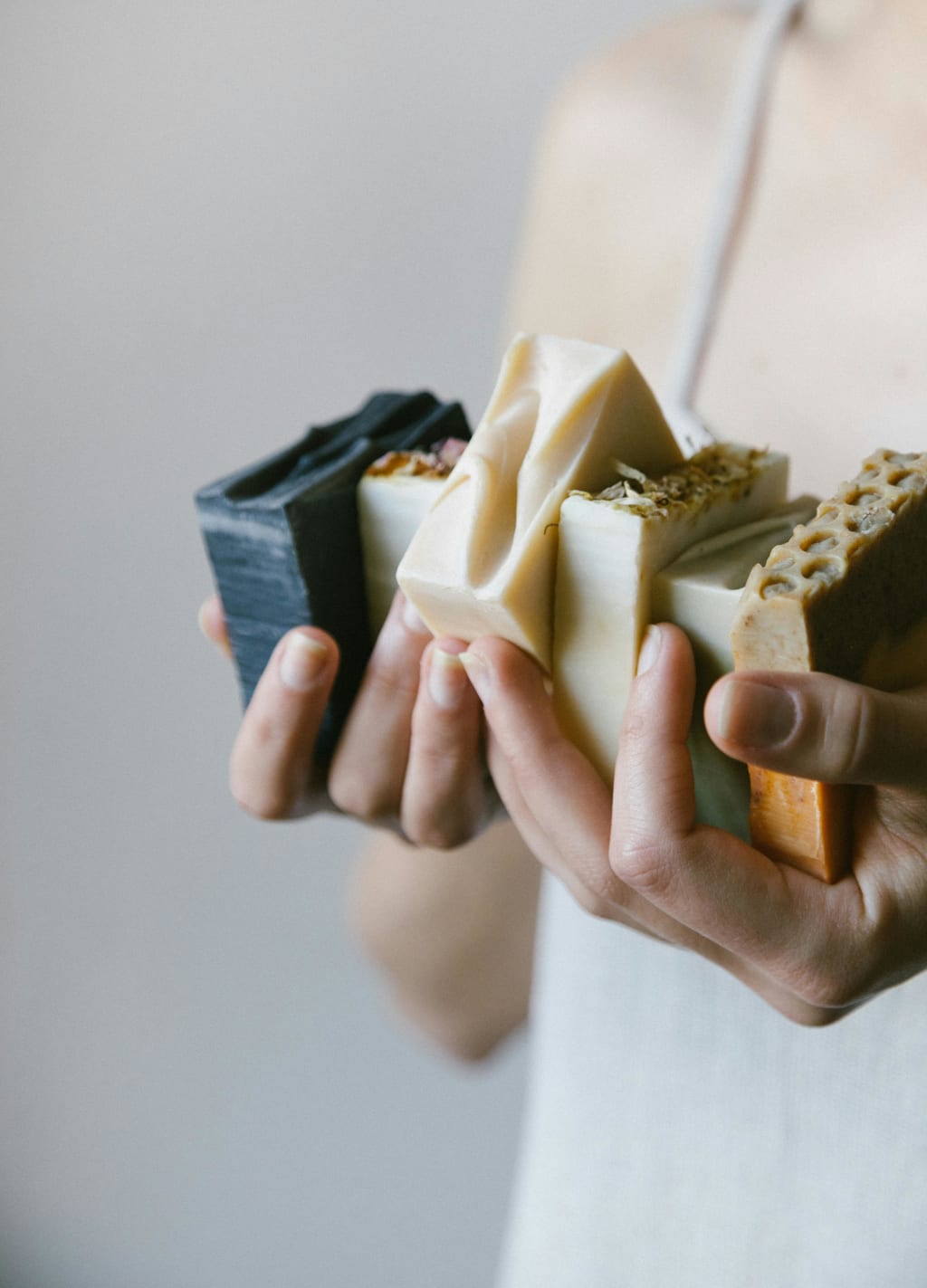
In today's world, with increasing awareness about skin health and sustainability, more people are turning to natural soap as a healthier alternative to the chemical-laden options found in many commercial products. The benefits of natural soap go far beyond just skin deep. From its gentle cleansing properties to its eco-friendly ingredients, natural soap offers numerous advantages for both your skin and the environment. In this article, we'll explore why natural soap is better for your skin, backed by scientific facts, expert insights, and relevant statistics.
What Is Natural Soap?
Natural soap is made from simple, plant-based ingredients such as oils, lye, and water. Unlike conventional soaps, which often contain synthetic chemicals, artificial fragrances, and preservatives, natural soaps are crafted using organic materials that are free from harsh additives. Common ingredients include coconut oil, olive oil, shea butter, and essential oils. The production process, especially when using traditional methods like cold-pressing, helps preserve the beneficial properties of these ingredients.
1. Gentler on Your Skin
One of the main reasons people switch to natural soap is because it is far gentler on the skin. Traditional commercial soaps are often packed with harsh chemicals like parabens, phthalates, and sulfates that strip the skin of its natural oils, leading to dryness and irritation.
Sulfates, for instance, are detergents used in many body washes and soaps to create foam. However, they can also be too harsh for sensitive skin. According to the American Academy of Dermatology, sulfates can cause skin irritation, exacerbate conditions like eczema, and lead to increased dryness and inflammation. In contrast, natural soap contains no sulfates, making it a better option for people with sensitive or dry skin.
Moreover, natural soaps often contain nourishing oils that hydrate and restore the skin’s moisture barrier. Ingredients like olive oil and coconut oil are rich in antioxidants, fatty acids, and vitamins that help keep the skin soft, smooth, and supple.
2. Packed with Nutrients
Natural soaps are rich in vitamins and nutrients that benefit the skin. For example, olive oil is high in antioxidants like vitamin E and polyphenols, which help fight free radicals, reduce signs of aging, and promote overall skin health. The use of shea butter in natural soap provides essential fatty acids that aid in skin regeneration and healing.
A study published in the International Journal of Cosmetic Science found that soaps made from natural oils such as olive oil and coconut oil contain essential fatty acids that help repair the skin’s moisture barrier, providing hydration and elasticity. This makes natural soap an ideal choice for individuals looking to improve skin texture and combat dryness.
3. No Harsh Chemicals or Artificial Fragrances
The ingredients in commercial soaps can include parabens, synthetic fragrances, and artificial dyes. These chemicals are often included to prolong the shelf life or enhance the scent of the product, but they can be harmful to your skin. Studies have shown that some of these chemicals may be linked to allergic reactions, hormone disruption, and even skin cancer.
A study in the Journal of Investigative Dermatology highlighted the risks of certain synthetic fragrances, which can irritate the skin and cause long-term sensitivity issues. The use of natural fragrances, like lavender or tea tree oil, not only adds a soothing scent but also provides therapeutic benefits, such as antibacterial properties or stress relief.
Switching to natural soap can help you avoid these potential risks, reducing your exposure to harmful chemicals while keeping your skin safe and healthy.
4. Eco-Friendly and Sustainable
In addition to being better for your skin, natural soaps are also better for the planet. Many commercial soap brands use plastic packaging, which contributes to environmental pollution. Natural soaps, on the other hand, are often sold in biodegradable or recyclable packaging. Brands that focus on sustainability tend to use eco-friendly production methods, such as sourcing ingredients from sustainable farms and supporting fair-trade practices.
A report from the Environmental Protection Agency (EPA) showed that over 8 million tons of plastic end up in our oceans each year. By choosing natural soap, you contribute to reducing the demand for plastic packaging, which helps to minimize waste and preserve the environment.
5. Beneficial for Different Skin Types
Natural soaps are versatile and can cater to various skin types, whether you have oily, dry, or sensitive skin. The high-quality oils used in natural soap can balance oil production without causing excess dryness or clogging pores. For example, tea tree oil soap can help regulate oil production and fight acne-causing bacteria, making it ideal for those with oily or acne-prone skin.
On the other hand, shepherd's purse soap or avocado oil soap is great for dry or mature skin types because of its intense moisturizing and skin-repairing properties. People with sensitive skin often benefit from natural soaps with calming ingredients like chamomile or aloe vera, which soothe irritation and inflammation.
6. Support for Small, Local Businesses
When you purchase natural soap, you are often supporting small-scale soap makers and local artisans who prioritize quality over mass production. This is a great way to ensure that you’re getting a product made with care, while also supporting a more sustainable and ethical approach to business.
The demand for natural soap is growing, and it has led to the rise of small, local soap makers who offer a wide variety of unique and customizable products. The Handmade Soap Directory lists over 1,500 soap makers across the globe, demonstrating how this industry is flourishing and how more people are moving toward artisanal, handmade products.
7. Reduced Risk of Skin Conditions
Natural soaps, particularly those that are free from harsh chemicals, have been shown to be beneficial for people suffering from various skin conditions. For individuals with eczema, psoriasis, or rosacea, using a soap free from sulfates and synthetic fragrances can help minimize flare-ups and irritation. In fact, the National Eczema Association recommends using gentle, fragrance-free soap to help manage eczema symptoms and prevent future breakouts.
Natural soap’s moisturizing properties also play a crucial role in supporting the skin's healing process, which is essential for those with compromised skin barriers.
8. The Growing Popularity of Natural Soap
The natural soap market has seen significant growth over the last decade. According to a 2022 market research report, the global natural soap market is expected to reach a value of USD 23.57 billion by 2030, growing at a compound annual growth rate (CAGR) of 5.6% from 2022 to 2030. This growth is driven by an increasing number of consumers who are becoming more health-conscious and environmentally aware, seeking natural alternatives for their skincare needs.
Conclusion
Natural soap offers a wide range of benefits, from being gentle on the skin to supporting environmental sustainability. By choosing natural soaps over traditional commercial soaps, you can nourish your skin with high-quality ingredients, avoid harmful chemicals, and contribute to a healthier planet. Whether you have sensitive skin, dry skin, or are simply looking for a more eco-friendly alternative, natural soap is a smart choice for both your skin and the environment.
As you make the switch to natural soap, remember that the key to a radiant, healthy complexion often lies in the simplest and most natural ingredients. By embracing natural soap, you're not just taking care of your skin; you're also making a positive impact on the world around you.
CTA: Explore a wide variety of eco-friendly and skin-loving natural soaps from local artisans today and experience the transformation for yourself. Switch to natural, sustainable products—because your skin deserves the best!
4o mini
You said:
add 200 more words to this blog
ChatGPT said:
ChatGPT
The Benefits of Natural Soap: Why It's Better for Your Skin
In today's world, with increasing awareness about skin health and sustainability, more people are turning to natural soap as a healthier alternative to the chemical-laden options found in many commercial products. The benefits of natural soap go far beyond just skin deep. From its gentle cleansing properties to its eco-friendly ingredients, natural soap offers numerous advantages for both your skin and the environment. In this article, we'll explore why natural soap is better for your skin, backed by scientific facts, expert insights, and relevant statistics.
What Is Natural Soap?
Natural soap is made from simple, plant-based ingredients such as oils, lye, and water. Unlike conventional soaps, which often contain synthetic chemicals, artificial fragrances, and preservatives, natural soaps are crafted using organic materials that are free from harsh additives. Common ingredients include coconut oil, olive oil, shea butter, and essential oils. The production process, especially when using traditional methods like cold-pressing, helps preserve the beneficial properties of these ingredients.
1. Gentler on Your Skin
One of the main reasons people switch to natural soap is because it is far gentler on the skin. Traditional commercial soaps are often packed with harsh chemicals like parabens, phthalates, and sulfates that strip the skin of its natural oils, leading to dryness and irritation.
Sulfates, for instance, are detergents used in many body washes and soaps to create foam. However, they can also be too harsh for sensitive skin. According to the American Academy of Dermatology, sulfates can cause skin irritation, exacerbate conditions like eczema, and lead to increased dryness and inflammation. In contrast, natural soap contains no sulfates, making it a better option for people with sensitive or dry skin.
Moreover, natural soaps often contain nourishing oils that hydrate and restore the skin’s moisture barrier. Ingredients like olive oil and coconut oil are rich in antioxidants, fatty acids, and vitamins that help keep the skin soft, smooth, and supple.
2. Packed with Nutrients
Natural soaps are rich in vitamins and nutrients that benefit the skin. For example, olive oil is high in antioxidants like vitamin E and polyphenols, which help fight free radicals, reduce signs of aging, and promote overall skin health. The use of shea butter in natural soap provides essential fatty acids that aid in skin regeneration and healing.
A study published in the International Journal of Cosmetic Science found that soaps made from natural oils such as olive oil and coconut oil contain essential fatty acids that help repair the skin’s moisture barrier, providing hydration and elasticity. This makes natural soap an ideal choice for individuals looking to improve skin texture and combat dryness.
3. No Harsh Chemicals or Artificial Fragrances
The ingredients in commercial soaps can include parabens, synthetic fragrances, and artificial dyes. These chemicals are often included to prolong the shelf life or enhance the scent of the product, but they can be harmful to your skin. Studies have shown that some of these chemicals may be linked to allergic reactions, hormone disruption, and even skin cancer.
A study in the Journal of Investigative Dermatology highlighted the risks of certain synthetic fragrances, which can irritate the skin and cause long-term sensitivity issues. The use of natural fragrances, like lavender or tea tree oil, not only adds a soothing scent but also provides therapeutic benefits, such as antibacterial properties or stress relief.
Switching to natural soap can help you avoid these potential risks, reducing your exposure to harmful chemicals while keeping your skin safe and healthy.
4. Eco-Friendly and Sustainable
In addition to being better for your skin, natural soaps are also better for the planet. Many commercial soap brands use plastic packaging, which contributes to environmental pollution. Natural soaps, on the other hand, are often sold in biodegradable or recyclable packaging. Brands that focus on sustainability tend to use eco-friendly production methods, such as sourcing ingredients from sustainable farms and supporting fair-trade practices.
A report from the Environmental Protection Agency (EPA) showed that over 8 million tons of plastic end up in our oceans each year. By choosing natural soap, you contribute to reducing the demand for plastic packaging, which helps to minimize waste and preserve the environment.
5. Beneficial for Different Skin Types
Natural soaps are versatile and can cater to various skin types, whether you have oily, dry, or sensitive skin. The high-quality oils used in natural soap can balance oil production without causing excess dryness or clogging pores. For example, tea tree oil soap can help regulate oil production and fight acne-causing bacteria, making it ideal for those with oily or acne-prone skin.
On the other hand, shepherd's purse soap or avocado oil soap is great for dry or mature skin types because of its intense moisturizing and skin-repairing properties. People with sensitive skin often benefit from natural soaps with calming ingredients like chamomile or aloe vera, which soothe irritation and inflammation.
6. Support for Small, Local Businesses
When you purchase natural soap, you are often supporting small-scale soap makers and local artisans who prioritize quality over mass production. This is a great way to ensure that you’re getting a product made with care, while also supporting a more sustainable and ethical approach to business.
The demand for natural soap is growing, and it has led to the rise of small, local soap makers who offer a wide variety of unique and customizable products. The Handmade Soap Directory lists over 1,500 soap makers across the globe, demonstrating how this industry is flourishing and how more people are moving toward artisanal, handmade products.
7. Reduced Risk of Skin Conditions
Natural soaps, particularly those that are free from harsh chemicals, have been shown to be beneficial for people suffering from various skin conditions. For individuals with eczema, psoriasis, or rosacea, using a soap free from sulfates and synthetic fragrances can help minimize flare-ups and irritation. In fact, the National Eczema Association recommends using gentle, fragrance-free soap to help manage eczema symptoms and prevent future breakouts.
Natural soap’s moisturizing properties also play a crucial role in supporting the skin's healing process, which is essential for those with compromised skin barriers.
8. The Growing Popularity of Natural Soap
The natural soap market has seen significant growth over the last decade. According to a 2022 market research report, the global natural soap market is expected to reach a value of USD 23.57 billion by 2030, growing at a compound annual growth rate (CAGR) of 5.6% from 2022 to 2030. This growth is driven by an increasing number of consumers who are becoming more health-conscious and environmentally aware, seeking natural alternatives for their skincare needs.
9. Additional Benefits of Natural Soap
Natural soap goes beyond just skincare. Many of its ingredients also have therapeutic properties. For example, lavender essential oil not only gives a pleasant fragrance but is known for its calming and anti-inflammatory effects. Studies have shown that lavender oil can reduce anxiety and promote relaxation, making it a great choice for evening bath routines.
Additionally, charcoal soaps are gaining popularity due to their ability to deeply cleanse pores and remove toxins from the skin, thanks to activated charcoal's detoxifying properties. These kinds of natural soaps not only benefit your skin but also improve your overall well-being.
Conclusion
Natural soap offers a wide range of benefits, from being gentle on the skin to supporting environmental sustainability. By choosing natural soaps over traditional commercial soaps, you can nourish your skin with high-quality ingredients, avoid harmful chemicals, and contribute to a healthier planet. Whether you have sensitive skin, dry skin, or are simply looking for a more eco-friendly alternative, natural soap is a smart choice for both your skin and the environment.
As you make the switch to natural soap, remember that the key to a radiant, healthy complexion often lies in the simplest and most natural ingredients. By embracing natural soap, you're not just taking care of your skin; you're also making a positive impact on the world around you.
Explore a wide variety of eco-friendly and skin-loving natural soaps from local artisans today and experience the transformation for yourself. Or if you are looking to buy these soaps online for a hassle free experience you can buy them from TrueGether which is also the best alternative to eBay. Switch to natural, sustainable products—because your skin deserves the best!
About the Creator
Ruby
I am an enthusiastic writer with a pinch of creativity. I write compelling stories that will leave you astounded and satiated at the same time.
BPC-157 + TB-500: The Peptide Duo for Advanced Healing
The Peptide Therapy Duo Everyone’s Talking About If you’re struggling with slow recovery, nagging injuries, or ongoing inflammation, you may have heard about peptide therapy—especially the combination of BPC-157 and TB-500. This powerful duo is gaining attention in the wellness and recovery world for its potential to help the body heal naturally.
By Hazel Jackson6 days ago in Lifehack
Being Human Is Heavy
No one tells you that being human comes with a weight you cannot put down. Not when you’re born, not when you learn to walk, not even when you learn to love. It arrives quietly, accumulating over years, stacking itself in invisible layers until one day you wake up tired for no clear reason. You blame sleep. You blame work. You blame age. But the truth is simpler and harder: being human is heavy.
By LUNA EDITHa day ago in Lifehack


Comments
There are no comments for this story
Be the first to respond and start the conversation.