
The Benefits of Martial Arts for Kids and Teens
How Martial Arts Training Can Help Children Grow and Develop
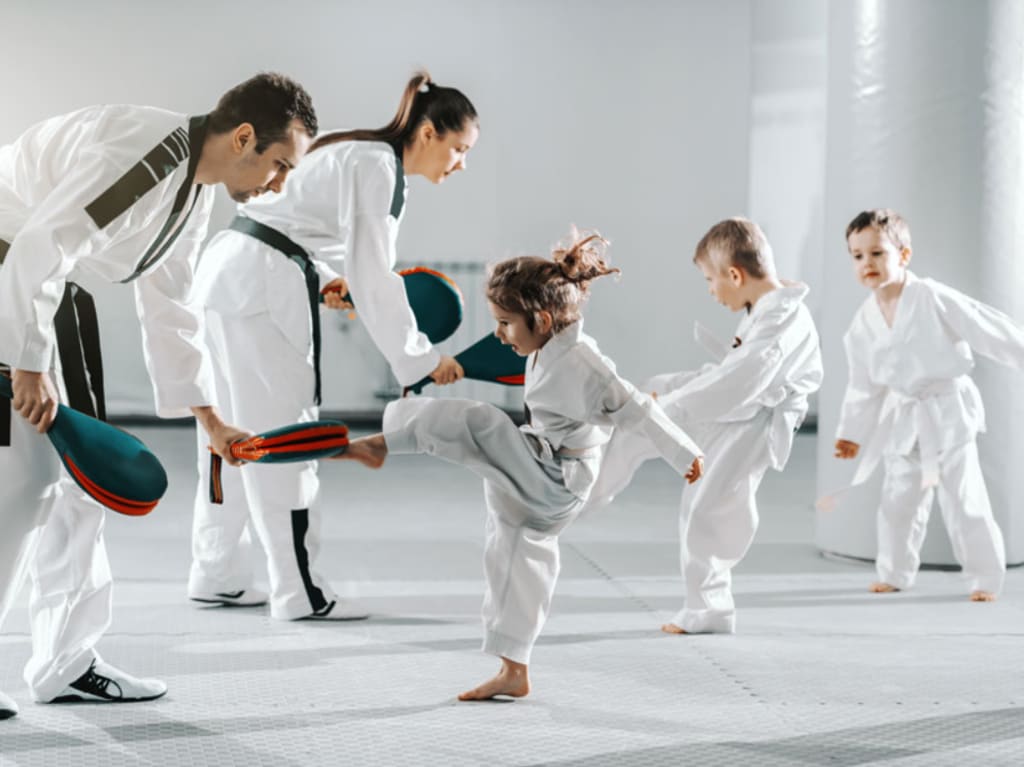
Martial arts have gained immense popularity in recent times, not only among adults but also among children and teens. The practice of martial arts is not only about fighting or self-defense, but it is also about building a strong character, discipline, and self-confidence. It is an excellent way to keep children and teens physically and mentally active while also developing their social skills. In this article, we will discuss the benefits of martial arts for kids and teens.
Physical Benefits
One of the most evident benefits of martial arts for kids and teens is the physical benefits. Martial arts classes provide an excellent way to keep children active and physically fit. Unlike other forms of physical activity, martial arts not only improve overall strength and stamina, but it also enhances coordination, flexibility, balance, and agility. Martial arts classes often involve various exercises and movements that require the use of the entire body, which helps children develop overall physical fitness.
Additionally, practicing martial arts can have a positive impact on children's health. It can improve cardiovascular health, enhance the immune system, and lower blood pressure. It also promotes weight loss and reduces the risk of obesity-related health problems.
Mental Benefits
Martial arts not only provide physical benefits but also have a positive impact on children's mental health. Martial arts require discipline, concentration, and focus, which can help children develop mental toughness and improve their ability to concentrate. It can also improve their problem-solving skills, decision-making abilities, and enhance memory retention.
Moreover, practicing martial arts can help children develop emotional stability and reduce stress and anxiety levels. The controlled breathing techniques and meditative aspects of martial arts can help children learn how to manage their emotions and handle stressful situations effectively.
Social Benefits
Martial arts classes offer an excellent opportunity for children to develop their social skills. It provides a supportive and friendly environment where children can interact with other children and adults. Martial arts classes teach children how to communicate effectively and develop teamwork skills. It also provides an opportunity for children to learn how to respect authority, follow instructions, and build positive relationships with others.
Self-Defense Skills
One of the most apparent benefits of martial arts is that it teaches children self-defense skills. Learning martial arts can give children the confidence to defend themselves if necessary. It can also help children learn how to recognize and avoid potentially dangerous situations. Moreover, the self-defense skills taught in martial arts classes can help children develop their problem-solving and decision-making abilities.
Self-Confidence and Self-Esteem
Martial arts can have a positive impact on children's self-confidence and self-esteem. Children who practice martial arts often have increased self-confidence and are less likely to be intimidated by challenging situations. Martial arts classes provide a supportive and non-judgmental environment, where children can learn and grow without the fear of failure. As children progress in their martial arts journey and achieve their goals, it can significantly boost their self-esteem and confidence levels.
Discipline and Respect
Martial arts classes teach children the value of discipline and respect. Martial arts require children to follow strict rules and regulations, which helps them develop discipline and self-control. Martial arts also emphasize the importance of respect, not only towards the instructor and fellow students but also towards themselves. The discipline and respect taught in martial arts classes can have a positive impact on children's behavior in other areas of their lives, such as school, home, and social settings.
Conclusion
Martial arts classes offer numerous benefits for children and teens. It not only improves overall physical fitness but also enhances mental and emotional well-being. Additionally, it provides an excellent opportunity for children to develop social skills, self-defense skills, self-confidence, and self-esteem. The discipline and respect taught in martial arts classes can have a positive impact on children's behavior in other areas of their lives. Therefore, if you're
Q. At what age can children start practicing martial arts?
A. Children can start practicing martial arts as early as three years old. However, the age requirements can vary depending on the type of martial art and the individual martial arts school. It's best to check with the specific school or instructor to determine if your child is old enough to start.
Q. What type of martial arts is best for children?
A. There is no one-size-fits-all answer to this question, as different types of martial arts can offer different benefits. Some popular martial arts for children include karate, taekwondo, judo, and Brazilian Jiu-Jitsu. It's essential to choose a martial art that aligns with your child's interests and goals.
Q. Will martial arts make my child violent?
A. No, martial arts do not make children violent. In fact, martial arts teach children self-control, discipline, and respect, which can help them develop non-violent conflict resolution skills. Martial arts also teach children the importance of self-defense and the responsible use of physical force.
Q. Can martial arts help children with ADHD or other behavioral disorders?
A. Yes, martial arts can be beneficial for children with ADHD or other behavioral disorders. Martial arts require focus, concentration, and self-discipline, which can help children with ADHD improve their attention and behavior. Additionally, martial arts can help children with behavioral disorders learn how to manage their emotions and cope with stress and anxiety.
Q. Are there any risks involved in practicing martial arts?
A. Like any physical activity, there is a risk of injury involved in practicing martial arts. However, martial arts schools prioritize safety and teach proper techniques to reduce the risk of injury. Additionally, martial arts instructors are trained to recognize and respond to potential injuries and medical emergencies.
Q. How often should children attend martial arts classes?
A. The frequency of martial arts classes can vary depending on the individual school or instructor. However, it's generally recommended that children attend martial arts classes at least two to three times per week to see significant progress and reap the benefits.
Q. Can martial arts help with bullying?
A. Yes, martial arts can help children deal with bullying. Martial arts teach children self-defense skills, which can give them the confidence to stand up for themselves if necessary. Additionally, martial arts teach children the importance of respect and non-violent conflict resolution skills, which can help them avoid confrontations and resolve conflicts peacefully.
About the Creator
Keep reading
More stories from Satnam Singh and writers in Lifehack and other communities.
DIY Suspension Repair vs Professional Services: Pros and Cons
Suspension repair is an important aspect of vehicle maintenance that ensures optimal performance and safety. The suspension system comprises a range of components that work together to provide stability, control, and comfort while driving. However, over time, these components may wear out or fail, resulting in poor handling, uneven tire wear, and discomfort while driving. When faced with suspension issues, vehicle owners have two options: DIY suspension repair or professional services. Both approaches have their pros and cons, and in this article, we'll explore them in detail.
By Satnam Singh3 years ago in Lifehack
Preparing to Move After Listing Your Home in the United States
Listing a home for sale is often the first step in a process that brings both excitement and uncertainty. While much attention is usually placed on preparing the property for showings and negotiating offers, the move that follows deserves just as much consideration. For homeowners across the United States, preparing to relocate while a home is on the market requires careful organization, realistic expectations, and emotional awareness.
By House Doctor3 days ago in Lifehack
Essential Differences Between MMA Flooring and Epoxy Flooring Systems
Ever walk into a big store, a hospital, or maybe even a high-end garage and catch yourself thinking, “Wow, that floor actually looks great—what’s it made of?” Turns out, there’s a good chance you’re standing on either MMA flooring or epoxy flooring. These two pop up all over the place, and for good reason. People pick them for all sorts of different spaces. At a glance, they seem pretty similar. But trust me, they’re not the same at all.
By Muhammad Hanzla7 days ago in Lifehack


Comments
There are no comments for this story
Be the first to respond and start the conversation.