
The Beauty of Dermal Fillers: A Comprehensive Overview
Dermal Fillers types, procedure, benefits and risks


Dermal fillers have revolutionized the field of aesthetic medicine, offering a non-surgical solution to combat the signs of aging and enhance facial features. These injectable substances, composed of natural or synthetic materials, are designed to add volume, smooth wrinkles, and restore a youthful appearance.
The popularity of dermal fillers has surged in recent years, driven by their ability to deliver subtle yet impactful results. With advancements in technology and a wider range of options available, individuals can now tailor their treatment to achieve their desired outcome.
Understanding Dermal Fillers
Dermal fillers work by adding volume to the underlying tissues of the skin. This can help to smooth out wrinkles, fill in lines, and enhance facial contours. The type of filler used will depend on the desired outcome and the specific area being treated.
Types of Dermal Fillers
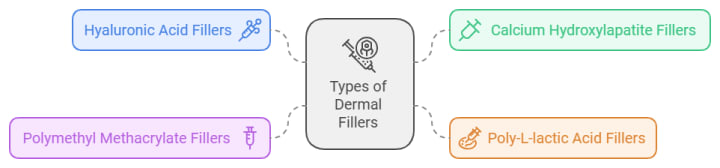
Hyaluronic Acid Fillers: These are the most common type of dermal filler, made from a substance naturally found in the body. They are used to add volume to the lips, cheeks, and other areas of the face, as well as to smooth out wrinkles and lines. Hyaluronic acid fillers are temporary, lasting for about 6-12 months.
Calcium Hydroxylapatite Fillers: These fillers are made from a mineral found in bones and teeth. They are used to add volume to the cheeks and jawline, and to smooth out deep wrinkles. Calcium hydroxylapatite fillers are longer-lasting than hyaluronic acid fillers, lasting for about 18-24 months.
Poly-L-lactic Acid Fillers: These fillers are made from a synthetic material that stimulates the body to produce its own collagen. They are used to add volume to the cheeks and temples, and to smooth out wrinkles. Poly-L-lactic acid fillers are a gradual treatment, with results appearing over several months. The results can last for up to two years.
Polymethyl Methacrylate Fillers: These fillers are a permanent option, made from tiny microspheres that are injected under the skin. They are used to add volume to the cheeks and temples, and to smooth out deep wrinkles. PMMA fillers are a good option for people who want a long-lasting result.
The Dermal Filler Procedure
Consultation with a Qualified Professional
Before undergoing any dermal filler treatment, it's crucial to consult with a qualified healthcare provider, such as a dermatologist, plastic surgeon, or a medical spa professional. During the consultation, your provider will assess your facial structure, discuss your desired outcome, and answer any questions you may have. They will also review your medical history and discuss any potential risks or side effects.
The Injection Process
The dermal filler procedure is typically performed in-office and takes about 30 minutes to an hour. Before the procedure, your provider may apply a topical anesthetic to numb the treatment area. The filler is then injected into the skin using a fine needle or cannula. The injection technique may vary depending on the type of filler and the area being treated.
Post-Procedure Care
After the procedure, you may experience some swelling, redness, or bruising at the injection site. These side effects are usually mild and temporary. To minimize discomfort and promote healing, your provider may recommend:
- Ice packs: Applying ice packs to the treated area can help reduce swelling.
- Avoidance of strenuous activity: Refrain from strenuous exercise and excessive sun exposure for a few days.
- Gentle skincare: Avoid using harsh skincare products or rubbing the treated area.
- Follow-up appointments: Schedule follow-up appointments with your provider to monitor your progress and address any concerns.
Benefits of Dermal Fillers
Dermal fillers offer a wide range of benefits for enhancing your appearance and boosting your self-confidence. Some of the key advantages include:
- Wrinkle Reduction: Dermal fillers can effectively smooth out fine lines and wrinkles, particularly around the eyes, mouth, and forehead.
- Volume Restoration: As we age, our faces naturally lose volume, leading to sagging skin and a hollow appearance. Dermal fillers can restore lost volume, giving your face a more youthful and plump look.
- Lip Enhancement: Dermal fillers can be used to add volume, shape, and definition to the lips, creating a fuller and more attractive pout.
- Facial Contouring: Dermal fillers can be used to contour the face, defining the cheekbones, jawline, and chin.
- Skin Rejuvenation: Some dermal fillers, such as hyaluronic acid fillers, can hydrate the skin and improve its overall texture and quality.
Potential Risks and Side Effects
- Infection: There is a small risk of infection at the injection site. Signs of infection include redness, swelling, pain, and pus.
- Bleeding: Some bleeding or bruising may occur at the injection site. This is usually mild and resolves on its own within a few days.
- Allergic Reaction: In rare cases, people may experience an allergic reaction to the filler material. Symptoms of an allergic reaction can include hives, itching, swelling, and difficulty breathing.
- Lumps and Bumps: Small lumps or bumps may form at the injection site. These usually resolve on their own within a few weeks.
- Asymmetry: In some cases, the filler may be injected unevenly, resulting in asymmetry.
- Nerve Damage: In rare cases, nerve damage can occur, leading to numbness or tingling in the area around the injection site.
- Vascular Occlusion: This is a serious but rare complication that can occur when the filler is injected into a blood vessel. It can cause tissue death and scarring.
About the Creator
Towhid Siyam
Just a curious person trying to know the world. I also love to teach people about what I learned.
Keep reading
More stories from Towhid Siyam and writers in Lifehack and other communities.
How to Prepare Your Home for Winter in Ontario
Ontario’s winters are notorious for their harshness, with freezing temperatures and heavy snowfall making it essential to prepare your home for the season ahead. One of the key areas that often gets overlooked in winter prep is the windows and doors. These crucial components can significantly affect your home's energy efficiency, warmth, and overall comfort during the colder months.
By Towhid Siyamabout a year ago in Lifehack
I Spent 30 Days Without Social Media and This Is What Happened to My Brain
I remember the exact moment I realized I had a problem. It was 2:00 AM, and I was scrolling through a stranger’s vacation photos from 2018. My eyes were burning, my neck ached, and I felt a strange emptiness in my chest. That night, I decided to do something radical: I deleted every social media app on my phone for 30 days.
By Hazrat Umerabout 18 hours ago in Lifehack




Comments
There are no comments for this story
Be the first to respond and start the conversation.