
How to Prepare Your Home for Winter in Ontario
Essential Tips for Maximizing Energy Efficiency with Well-Prepared Windows and Doors For Your Winter-Proof Home

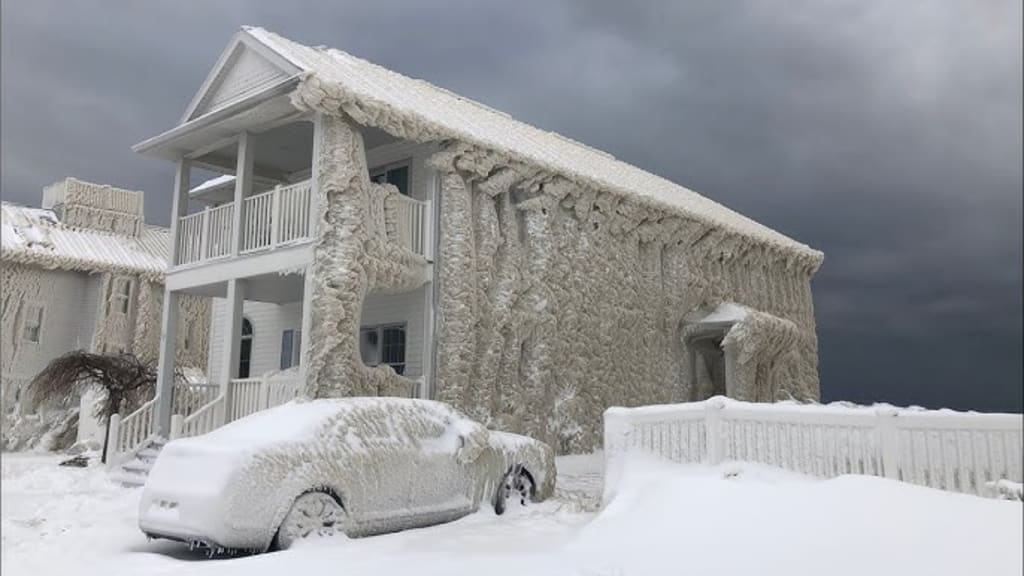
Ontario’s winters are notorious for their harshness, with freezing temperatures and heavy snowfall making it essential to prepare your home for the season ahead. One of the key areas that often gets overlooked in winter prep is the windows and doors. These crucial components can significantly affect your home's energy efficiency, warmth, and overall comfort during the colder months.
While your windows and doors are the primary focus, preparing your home for winter involves various other measures, from insulation to heating systems. However, making sure your windows and doors are ready for the season is essential. It helps you conserve energy, reduce heating costs, and prevent cold drafts from making your living space uncomfortable.
Here we’ll talk about how to inspect and winterize your windows and doors.
Inspect Windows and Doors for Drafts
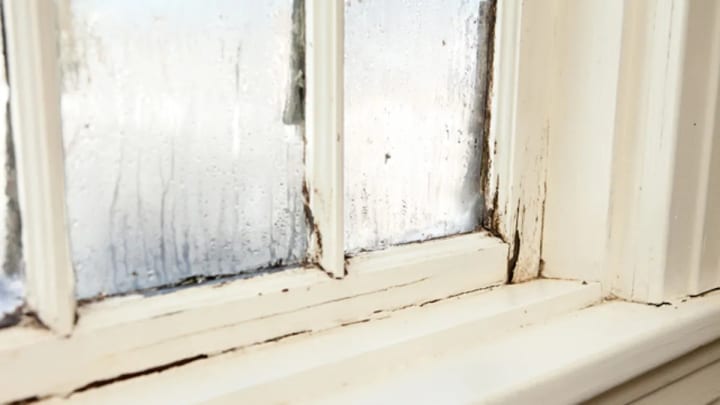
One of the first and most important steps in preparing your home for winter is to inspect your windows and doors for drafts. During winter, cracks or gaps can let cold air seep into your home. This forces your heating system to work harder. As a result, you may see a noticeable spike in energy bills. Even small drafts can have a big impact on your comfort and your wallet.
How to Detect Drafts:
There are several methods to check for drafts, and most of them are simple enough to do on your own. One easy method is the candle test. Light a candle and hold it near the edges of your windows and doors. If the flame flickers or moves, it’s a sign that air is leaking through. Alternatively, you can use thermal imaging cameras to visually detect cold spots around windows and doors. This process may require professional help.
Another simple method is to feel around the edges of your windows and doors on a windy day. If you feel cold air coming through, it’s a clear indication that there’s a draft.
Seal Gaps and Cracks Around Windows and Doors

Once you’ve identified any drafts, the next step is to seal the gaps and cracks around your windows and doors. This is one of the most effective ways to prevent heat loss and improve the overall energy efficiency of your home.
Weatherstripping for Windows and Doors
Weatherstripping is an easy and cost-effective solution to block drafts around both windows and doors. It creates a tight seal by filling the gaps between moving parts, like the frame and the door or window itself. There are different types of weatherstripping materials available, including foam tape, felt, or rubber, each suitable for different parts of your windows and doors. Foam tape, for example, works great around window sashes, while rubber weatherstripping can be used on the door frames.
Caulking for Cracks and Joints
For more permanent gaps or cracks around window frames or door jambs, caulking is an excellent solution. Caulk can be used to seal joints and edges where materials meet, such as between the window frame and the wall. Make sure to choose an exterior-grade, weather-resistant caulk if you’re sealing cracks on the outside of your home.
Install Insulated Windows or Storm Doors
Another critical step in preparing your home for winter is upgrading to insulated windows or adding storm doors. These additions provide an extra layer of protection against Ontario’s freezing temperatures. They help retain heat and prevent cold air from seeping in.
Benefits of Insulated Windows
Modern insulated windows are designed to reduce heat loss by using multiple panes of glass with a layer of gas (such as argon or krypton) between them. This gas acts as an insulating barrier, preventing the transfer of cold air into your home and stopping heat from escaping. Additionally, features like Low-E glass coatings reflect heat back into the home, further improving energy efficiency.
Upgrading to double or triple-pane insulated windows can make a noticeable difference in your home’s warmth during the winter months. Not only do they keep your home comfortable, but they also help reduce heating costs, as your furnace won’t have to work as hard to maintain the temperature.
The Role of Storm Doors
Installing storm doors adds an extra layer of protection to your existing entry doors. Storm doors act as a barrier between the harsh outside air and your interior door, providing additional insulation and preventing drafts. These doors are typically made with durable materials such as aluminum or steel. They often feature energy-efficient glass panels to enhance insulation.
Storm doors are especially beneficial in Ontario’s cold climate, as they can prevent snow and ice buildup on your main entry door. Thus, you can avoid damage over time.
Upgrade Door and Window Locks
While we typically focus on windows and doors as barriers against the cold, the hardware that secures them is just as important in keeping your home insulated. Worn-out or improperly functioning locks, hinges, and latches can create gaps that allow drafts to enter, even when the door or window appears closed.
When the locks and latches on your windows and doors are not functioning correctly, they may fail to create a tight seal. This can allow cold air to seep into your home. It negates the benefits of any insulation or weatherproofing measures you’ve taken. Ensuring that all locks, hinges, and latches are in good working order helps keep your windows and doors tightly sealed.
Begin by checking all the locks and latches on your windows and doors to make sure they close securely. Pay attention to any signs of wear, such as rust, loose parts, or difficulty in fully closing the window or door. If you notice any of these issues, it’s a good idea to replace or repair the hardware before winter arrives.
Upgrade to Energy-Efficient Windows and Doors
If your windows and doors are old or in poor condition, simple fixes like sealing gaps or upgrading hardware may not be enough. During winter, these measures might still leave your home cold. In such situations, upgrading to energy-efficient windows and doors is a smart solution. It can be one of the best investments for improving your home’s comfort and energy efficiency.
Energy-Saving Features of Modern Windows:
Modern energy-efficient windows are designed with a variety of features to reduce heat loss and improve insulation. These include:
Low-E Glass: A special coating on the glass that reflects heat back into your home, reducing the amount of heat that escapes.
Multiple Panes: Double or triple-pane windows provide better insulation than single-pane windows. The layers of glass are separated by air or gas (such as argon or krypton) to improve thermal performance.
Insulated Frames: Window frames made from materials like vinyl or fiberglass offer better insulation than older wooden or aluminum frames.
While the upfront cost of window replacement can be significant, the savings on energy bills over time make it a worthwhile investment. In some cases, you may even be eligible for government rebates or incentives for upgrading to energy-efficient windows.
Energy-Efficient Door Options:
Similarly, upgrading your doors can have a significant impact on your home’s energy efficiency. Modern exterior doors are designed with insulation in mind, using materials like fiberglass or steel with foam cores for maximum thermal efficiency. These doors are much better at keeping the cold out and the heat in compared to older wooden doors.
Evaluate Your Current Windows and Doors: If they’re single-pane, outdated, or visibly damaged, it may be time to consider an upgrade.
Choose Energy-Efficient Models: Look for windows and doors with high energy ratings and features like Low-E glass, gas-filled panes, and insulated frames.
Contact a Professional: Professional installation is key to ensuring that your new windows and doors are properly fitted and sealed to maximize energy efficiency.
Clean and Maintain Your Windows and Doors
Regular cleaning and maintenance of your windows and doors are essential steps in preparing for winter. Not only do clean windows allow more natural light into your home, but they also help you identify any potential issues that may need attention before the cold weather sets in.
Cleaning Your Windows
Start by washing your windows both inside and out. Use a glass cleaner or a mixture of water and vinegar to remove dirt and grime. This process not only enhances the appearance of your windows but also allows you to spot any cracks or damage that may require repair.
Inspecting for Damage
While cleaning, take the opportunity to inspect your windows for signs of wear and tear. Check for any cracks in the glass or frame, and ensure that the seals are intact. If you notice any issues, address them promptly to prevent cold air from entering your home.
Maintaining Doors
Similarly, clean your exterior doors, paying special attention to the areas around the hinges and locks. Lubricate these mechanisms to ensure they operate smoothly and create a tight seal when closed. If your doors show signs of rot or damage, consider repairing or replacing them to maintain energy efficiency.
Conclusion
Preparing your home for winter in Ontario may seem like a daunting task, but taking the right steps now can save you from unexpected surprises when the temperatures drop. From sealing drafts in windows and doors to maintaining your heating system and insulating key areas, each step contributes to a warmer, more energy-efficient home.
About the Creator
Towhid Siyam
Just a curious person trying to know the world. I also love to teach people about what I learned.
Keep reading
More stories from Towhid Siyam and writers in Lifehack and other communities.
The Beauty of Dermal Fillers: A Comprehensive Overview
Dermal fillers have revolutionized the field of aesthetic medicine, offering a non-surgical solution to combat the signs of aging and enhance facial features. These injectable substances, composed of natural or synthetic materials, are designed to add volume, smooth wrinkles, and restore a youthful appearance.
By Towhid Siyamabout a year ago in Lifehack
How we can make our body healthy
Introduction Health is the foundation of a happy and successful life. A healthy body not only allows us to work productively but also gives us the energy to enjoy every moment with family, friends, and ourselves. In today’s busy world, many people ignore their health, leading to diseases like obesity, diabetes, and heart problems. The good news is, by following simple steps, we can build a strong and healthy body.
By Ihtisham Ulhaqa day ago in Lifehack
Self Help: Grifters' Gospel
On Self-Help, Snake Oil, and the Illusion of Change Psychology professionals and students can be imagined on two opposite sides of a line called self-help books: likely a larger group opposes pop-science and step-by-step manuals filled with talk of success, journaling, and not giving a f**k; others love them, but they aren’t many.
By Avocado Nunzella BSc (Psych) -- M.A.P 5 days ago in BookClub




Comments
There are no comments for this story
Be the first to respond and start the conversation.