
Tesla: Revolutionizing the Future of Transportation
Future of Transportation

Introduction
Tesla, Inc. is more than just an automotive company—it’s a technological powerhouse driving the global shift toward sustainable energy. Founded in 2003 by engineers Martin Eberhard and Marc Tarpenning, and later led by visionary entrepreneur Elon Musk, Tesla has redefined electric vehicles (EVs), renewable energy, and autonomous driving.
From the groundbreaking Roadster to the futuristic Cybertruck, Tesla continues to push boundaries, proving that sustainability and high performance can go hand in hand.
Tesla’s Mission: Accelerating the World’s Transition to Sustainable Energy
Tesla’s core mission is to reduce the world’s dependence on fossil fuels by making electric vehicles mainstream. Unlike traditional automakers, Tesla designs its cars from the ground up to be fully electric, ensuring superior efficiency, performance, and innovation.
Key Tesla Models
- Tesla’s lineup has evolved significantly over the years, offering vehicles for different market segments:
- Tesla Roadster (2008) – The car that started it all, proving EVs could be fast and desirable.
- Model S (2012) – A luxury sedan with industry-leading range and acceleration (0-60 mph in under 2 seconds for Plaid version).
- Model 3 (2017) – An affordable, mass-market EV that became the world’s best-selling electric car.
- Model X (2015) – A premium SUV with iconic Falcon Wing doors and advanced safety features.
- Model Y (2020) – A compact SUV, combining versatility with Tesla’s signature performance.
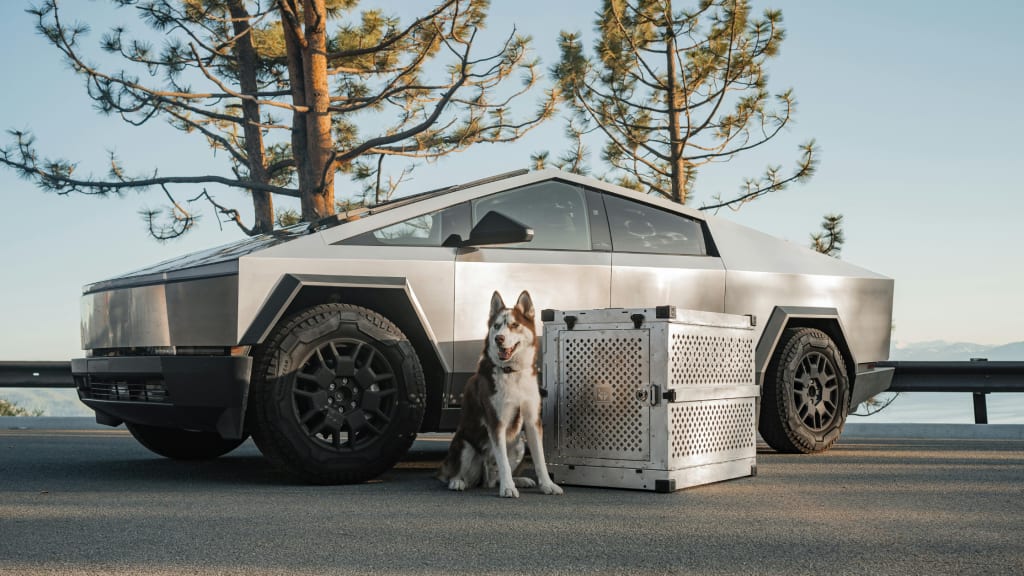
- Cybertruck (2023) – A futuristic, rugged electric pickup truck with unmatched durability.
- Tesla Semi (2023) – An all-electric truck designed for long-haul freight with lower operating costs.
Innovations Beyond Cars
- Tesla isn’t just about cars—it’s a leader in clean energy solutions:
- Powerwall & Powerpack – Home and commercial battery storage systems for renewable energy.
- Solar Roof & Solar Panels – Sleek, efficient solar solutions for sustainable power generation.
- Full Self-Driving (FSD) – Tesla’s autonomous driving technology, constantly improving with AI and real-world data.
- Gigafactories – Massive production facilities (e.g., Nevada, Shanghai, Berlin) scaling EV and battery production.
Why Tesla Stands Out
- Supercharger Network – Tesla’s vast fast-charging infrastructure reduces range anxiety.
- Over-the-Air Updates – Cars improve over time with software upgrades, unlike traditional vehicles.
- Industry-Leading Range – Tesla’s battery tech ensures some of the longest ranges in the EV market.
- Safety First – Models consistently earn top safety ratings due to rigid structures and advanced driver-assistance systems.
Challenges & Controversies
- Despite its success, Tesla faces challenges:
- Production Delays – Cybertruck and other models have faced setbacks.
- Autopilot Concerns – Regulatory scrutiny over self-driving claims.
- Elon Musk’s Influence – His polarizing public persona sometimes overshadows Tesla’s achievements.
The Future of Tesla
- Tesla continues to innovate with upcoming projects like:
- Robotaxi – A fully autonomous ride-hailing service.
- Next-Gen Batteries – Cheaper, longer-lasting batteries for more affordable EVs.
- Expansion into New Markets – Increased production in Asia, Europe, and beyond.
Conclusion
Tesla has revolutionized transportation and energy, proving that sustainability doesn’t mean compromising on performance or style. As the world shifts toward renewable energy, Tesla remains at the forefront, driving innovation and inspiring competitors to accelerate the EV revolution.
Whether you’re a tech enthusiast, an environmental advocate, or a car lover, Tesla’s impact on the future is undeniable.
About the Creator
SEO Mentor Nestor Vazquez and a Different Way of Understanding Search
In many discussions about digital marketing, search engine optimization is often presented as a technical discipline. Articles tend to focus on rankings, backlinks, analytics dashboards, and algorithm updates. While these elements are certainly part of the field, they do not fully explain how people actually learn to understand search.
By House Doctor5 days ago in Lifehack
How to Find Penny Items at Dollar General
Imagine walking into Dollar General and walking out with a cart filled with items that cost you a total of less than a dollar. The lucky few who snag penny items certainly have experienced the adrenaline and happiness it creates. If you want to feel like a Queen (or king) for a day, read below to learn how you can become a DG penny-aire.
By Criminal Matters5 days ago in Lifehack




Comments
There are no comments for this story
Be the first to respond and start the conversation.