
"Taking Charge of Your Diabetes: Lifestyle Changes and Medications"
Medications for Diabetes Control: Types and How They Work

Introduction
Diabetes is a chronic medical condition that affects millions of people worldwide. It occurs when the body is unable to produce or properly use insulin, which is a hormone that regulates blood sugar levels.
Diabetes can lead to serious health complications, such as heart disease, kidney failure, and nerve damage. However, with proper management, people with diabetes can lead healthy and active lives.
In this blog post, we will explore practical tips for controlling diabetes, including lifestyle changes, medications, and emotional support. By following these tips, you can reduce your risk of complications and improve your overall well-being.
Understanding Diabetes
To effectively control diabetes, it's important to understand what it is and how it affects the body. There are two main types of diabetes:
Type 1 diabetes: This type of diabetes occurs when the body's immune system attacks and destroys the cells in the pancreas that produce insulin. People with type 1 diabetes need to take insulin injections or use an insulin pump to manage their blood sugar levels.
Type 2 diabetes: This type of diabetes occurs when the body becomes resistant to insulin or doesn't produce enough of it. It is often linked to lifestyle factors, such as obesity and physical inactivity, and can be managed with lifestyle changes, medications, and/or insulin therapy.
Symptoms of diabetes can include increased thirst, frequent urination, blurry vision, fatigue, and slow-healing sores. Over time, uncontrolled diabetes can lead to serious health complications, such as heart disease, kidney failure, nerve damage, and blindness.
Monitoring blood sugar levels is crucial for diabetes management. This can be done with a blood glucose meter, which measures the amount of glucose in a small sample of blood.
Working with a healthcare provider, such as an endocrinologist or primary care physician, can help ensure proper monitoring and treatment of diabetes.
Lifestyle Changes for Diabetes Control
Lifestyle changes are an important component of diabetes control. Here are some tips for managing diabetes through healthy lifestyle choices:
Diet and nutrition: A healthy diet can help manage blood sugar levels and reduce the risk of complications.
Aim for a balanced diet that includes plenty of fruits, vegetables, whole grains, lean proteins, and healthy fats.
Avoid foods high in sugar and refined carbohydrates, such as candy, soda, and white bread. It's also important to watch portion sizes and eat at regular intervals throughout the day.
Physical activity: Regular exercise can improve insulin sensitivity and help lower blood sugar levels.
Aim for at least 30 minutes of moderate-intensity exercise most days of the week, such as brisk walking, cycling, or swimming. Consult with a healthcare provider before starting a new exercise routine.
Weight management: Maintaining a healthy weight can help improve blood sugar control and reduce the risk of complications. Losing just 5-10% of body weight can have significant health benefits for people with diabetes.
Consult with a healthcare provider or registered dietitian for guidance on weight management.
Quit smoking: Smoking can increase the risk of complications for people with diabetes. Quitting smoking can improve blood sugar control and reduce the risk of heart disease.
By making these lifestyle changes, people with diabetes can help manage their condition and reduce the risk of complications.
It's important to work with a healthcare provider to develop a personalized diabetes management plan that incorporates healthy lifestyle choices.
Medications and Medical Treatments for Diabetes Control
In addition to lifestyle changes, medications and medical treatments can be an important part of diabetes control. Here are some options:
Oral medications: For people with type 2 diabetes, oral medications can help improve blood sugar control.
There are several types of oral medications that work in different ways to lower blood sugar levels, such as metformin, sulfonylureas, and DPP-4 inhibitors. These medications are often used in combination with lifestyle changes.
Insulin therapy: People with type 1 diabetes and some people with type 2 diabetes may need insulin therapy to manage their blood sugar levels.
Insulin can be injected with a syringe or used with an insulin pump. There are several types of insulin that work in different ways to control blood sugar levels, such as rapid-acting, long-acting, and premixed.
Continuous glucose monitoring (CGM): CGM devices can provide real-time information about blood sugar levels, which can help people with diabetes make more informed decisions about their medication, diet, and physical activity.
CGM devices involve inserting a sensor under the skin to measure glucose levels and transmitting the data to a receiver or smartphone app.
Bariatric surgery: For some people with type 2 diabetes who are obese, bariatric surgery can be an effective treatment option. This surgery can help improve blood sugar control and reduce the risk of complications.
It's important to work with a healthcare provider to determine the best medication and treatment options for diabetes control. Regular monitoring of blood sugar levels is also essential to ensure proper management of the condition.
Types of Medications and Medical Treatments for Diabetes Control
Metformin:
Metformin is an oral medication used to treat type 2 diabetes. It belongs to the class of drugs known as biguanides and works by reducing the amount of glucose produced by the liver, while also improving the body's sensitivity to insulin.
Metformin is often used as a first-line treatment for type 2 diabetes, along with lifestyle changes such as healthy eating and exercise.
It can help to lower blood sugar levels and reduce the risk of complications associated with diabetes, such as heart disease and kidney damage.
Some common side effects of metformin include gastrointestinal symptoms such as nausea, vomiting, diarrhea, and abdominal discomfort.
These side effects can often be minimized by taking the medication with food and starting with a low dose, then gradually increasing it over time.
Metformin is generally considered safe and effective, but it may not be suitable for everyone.
It's important to discuss any medical conditions or medications with a healthcare provider before starting metformin or any other medication for diabetes control.
Sulfonylureas:
Sulfonylureas are a class of oral medications used to treat type 2 diabetes. They work by stimulating the beta cells in the pancreas to release more insulin, which helps to lower blood sugar levels.
There are several types of sulfonylureas available, including glyburide, glimepiride, and glipizide.
These medications are often used in combination with other diabetes medications, such as metformin, to improve blood sugar control.
Sulfonylureas are generally effective in lowering blood sugar levels, but they can cause side effects such as low blood sugar (hypoglycemia), weight gain, and gastrointestinal symptoms such as nausea and diarrhea.
It's important to monitor blood sugar levels closely when taking sulfonylureas and to discuss any concerns or side effects with a healthcare provider.
Sulfonylureas may not be suitable for everyone, particularly people with certain medical conditions such as liver or kidney disease.
They may also interact with other medications, so it's important to discuss all medications and medical conditions with a healthcare provider before starting treatment with sulfonylureas.
DPP-4 inhibitors:
DPP-4 inhibitors are a class of oral medications used to treat type 2 diabetes. They work by inhibiting the enzyme dipeptidyl peptidase-4 (DPP-4), which in turn increases the levels of incretin hormones such as glucagon-like peptide-1 (GLP-1). GLP-1 helps to stimulate the release of insulin from the pancreas and reduces the amount of glucose produced by the liver, resulting in lower blood sugar levels.
Some examples of DPP-4 inhibitors include sitagliptin, saxagliptin, and linagliptin. These medications are taken once or twice daily and are often used in combination with other diabetes medications, such as metformin.
DPP-4 inhibitors are generally well-tolerated and have a low risk of causing hypoglycemia. They may cause side effects such as headache, upper respiratory tract infection, and gastrointestinal symptoms such as nausea and diarrhea. Rarely, they may cause more serious side effects such as pancreatitis.
DPP-4 inhibitors may not be suitable for everyone, particularly people with certain medical conditions such as kidney disease. They may also interact with other medications, so it's important to discuss all medications and medical conditions with a healthcare provider before starting treatment with DPP-4 inhibitors.
Insulin therapy:
Insulin therapy is a medical treatment for people with diabetes who have difficulty controlling their blood sugar levels with oral medications and lifestyle changes alone.
Insulin is a hormone produced by the pancreas that helps to regulate blood sugar levels. In people with diabetes, either the pancreas doesn't produce enough insulin or the body is unable to use insulin effectively, leading to high blood sugar levels.
Insulin therapy involves injecting insulin into the body using a syringe, insulin pen, or insulin pump.
There are several types of insulin available, including rapid-acting, short-acting, intermediate-acting, and long-acting.
The type of insulin and dosing regimen will depend on the individual's blood sugar levels, lifestyle, and other medical conditions.
Insulin therapy can help to lower blood sugar levels and reduce the risk of complications associated with diabetes, such as heart disease, kidney damage, and nerve damage. However, insulin therapy also carries some risks, such as the potential for low blood sugar (hypoglycemia) and weight gain.
Insulin therapy requires close monitoring of blood sugar levels and regular communication with a healthcare provider to adjust dosing and ensure optimal control of blood sugar levels.
It's important to follow a healthy diet and exercise plan while on insulin therapy to achieve the best results.
GLP-1 receptor agonists:
GLP-1 receptor agonists are a class of injectable medications used to treat type 2 diabetes.
They work by mimicking the effects of the hormone GLP-1, which helps to stimulate the release of insulin from the pancreas and reduce the amount of glucose produced by the liver. This results in lower blood sugar levels.
Some examples of GLP-1 receptor agonists include exenatide, liraglutide, and dulaglutide. These medications are usually injected once or twice daily, and some are also available in a weekly injectable form.
GLP-1 receptor agonists are generally well-tolerated and have a low risk of causing hypoglycemia. They may cause side effects such as nausea, vomiting, and diarrhea, particularly when first starting the medication. These side effects usually improve over time.
GLP-1 receptor agonists have been shown to have additional benefits beyond blood sugar control, such as promoting weight loss and reducing the risk of cardiovascular events.
However, they may not be suitable for everyone, particularly people with a history of pancreatitis or thyroid cancer.
GLP-1 receptor agonists require a prescription from a healthcare provider and close monitoring of blood sugar levels.
It's important to discuss any concerns or side effects with a healthcare provider and to follow a healthy diet and exercise plan while taking these medications.
SGLT2 inhibitors:
SGLT2 inhibitors are a class of oral medications used to treat type 2 diabetes. They work by blocking the action of the SGLT2 protein in the kidneys, which reduces the amount of glucose that is reabsorbed into the bloodstream and increases the amount that is excreted in the urine. This results in lower blood sugar levels.
Some examples of SGLT2 inhibitors include canagliflozin, dapagliflozin, and empagliflozin. These medications are usually taken once daily and may be used alone or in combination with other diabetes medications.
SGLT2 inhibitors have been shown to have additional benefits beyond blood sugar control, such as reducing the risk of cardiovascular events and kidney disease progression. They may also promote weight loss and lower blood pressure.
SGLT2 inhibitors may cause side effects such as urinary tract infections, yeast infections, and low blood pressure.
They may also increase the risk of diabetic ketoacidosis (DKA), a potentially life-threatening condition that can occur when the body produces high levels of ketones.
SGLT2 inhibitors require a prescription from a healthcare provider and close monitoring of blood sugar levels and kidney function.
It's important to discuss any concerns or side effects with a healthcare provider and to follow a healthy diet and exercise plan while taking these medications.
Bariatric surgery:
Bariatric surgery, also known as weight loss surgery, is a medical treatment option for people with severe obesity who have difficulty losing weight with lifestyle changes and medications.
Bariatric surgery works by reducing the size of the stomach and/or altering the digestive system to limit the amount of food that can be eaten and absorbed.
There are several types of bariatric surgery, including gastric bypass, sleeve gastrectomy, and adjustable gastric banding.
Gastric bypass involves dividing the stomach into a small upper pouch and a larger lower pouch, and rerouting the small intestine to connect to the upper pouch.
Sleeve gastrectomy involves removing a portion of the stomach to create a smaller, banana-shaped stomach.
Adjustable gastric banding involves placing a band around the upper part of the stomach to create a small pouch and limit the amount of food that can be eaten.
Bariatric surgery has been shown to be an effective treatment option for people with type 2 diabetes, as it can lead to significant weight loss and improvement in blood sugar control.
However, it is a major surgical procedure that carries risks, such as infection, bleeding, and blood clots. Long-term complications may also occur, such as nutritional deficiencies and gastrointestinal problems.
Bariatric surgery requires careful evaluation by a healthcare provider and a comprehensive plan for pre- and post-operative care, including follow-up visits and lifestyle changes.
It may not be suitable for everyone and should be considered a last resort for people who have not been able to achieve significant weight loss with other treatments.
Continuous glucose monitoring (CGM):
Continuous glucose monitoring (CGM) is a method of monitoring blood sugar levels in real-time using a small sensor that is inserted under the skin.
The sensor measures glucose levels in the interstitial fluid, which is the fluid that surrounds the cells in the body.
The data from the sensor is transmitted to a receiver or mobile device, which displays the glucose readings and provides alerts for high or low glucose levels.
CGM can provide more detailed information about blood sugar levels than traditional self-monitoring of blood glucose (SMBG) with a glucose meter.
CGM can also show trends and patterns in blood sugar levels over time, which can help people with diabetes and their healthcare providers make more informed decisions about treatment.
CGM is particularly useful for people with type 1 diabetes who require intensive insulin therapy, as it can help prevent hypoglycemia and hyperglycemia.
CGM can also be used by some people with type 2 diabetes who require insulin therapy or have difficulty controlling their blood sugar levels with other treatments.
CGM devices are usually worn continuously for several days or weeks, and the sensor is replaced periodically. Some CGM devices also include automated insulin delivery systems, such as insulin pumps or patch pumps, which can adjust insulin doses based on the CGM readings.
CGM requires a prescription from a healthcare provider and careful training on how to use the device.
It may not be suitable for everyone, such as people with skin allergies or infections. CGM devices also require regular calibration with SMBG and close monitoring by a healthcare provider.
Emotional Support and Self-Care for Diabetes Control
Managing diabetes can be challenging both physically and emotionally. Here are some tips for emotional support and self-care:
Seek support: It can be helpful to connect with others who have diabetes for support and advice. This can be through support groups, online forums, or social media groups.
It's also important to have a support system of family and friends who can provide encouragement and understanding.
Manage stress: Stress can affect blood sugar levels, so it's important to manage stress levels.
This can include practices such as mindfulness meditation, yoga, or deep breathing exercises. Engaging in hobbies or activities that bring joy can also help reduce stress.
Take care of mental health: Diabetes can be a source of stress, anxiety, and depression.
It's important to prioritize mental health and seek professional help if needed. This can include therapy, counseling, or medication.
Practice self-care: Self-care is important for overall well-being. This can include getting enough sleep, eating well, engaging in regular physical activity, and taking time for relaxation and leisure activities.
By prioritizing emotional support and self-care, people with diabetes can improve their overall well-being and better manage their condition.
It's important to work with a healthcare provider to develop a comprehensive diabetes management plan that includes physical, emotional, and mental health components.
Conclusion
In conclusion, diabetes is a chronic condition that requires ongoing management.
By making lifestyle changes, taking medication as prescribed, and prioritizing emotional support and self-care, people with diabetes can effectively manage their condition and reduce the risk of complications.
It's important to work with a healthcare provider to develop a personalized diabetes management plan that includes regular monitoring of blood sugar levels, regular check-ups, and ongoing support. With proper management, people with diabetes can live healthy, fulfilling lives.
About the Creator
Keep reading
More stories from Music Time and writers in Lifehack and other communities.
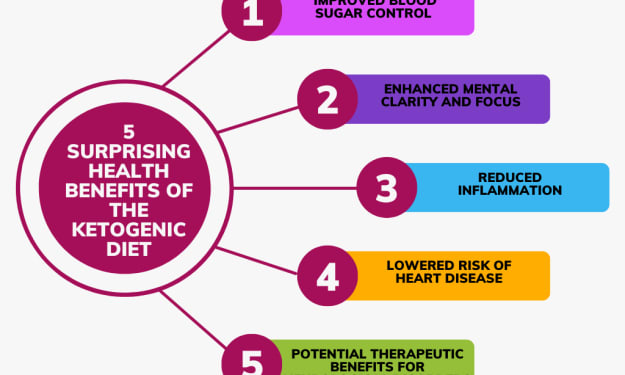
"5 Surprising Health Benefits of the Ketogenic Diet"
Introduction The ketogenic diet has become increasingly popular in recent years, with many individuals turning to this low-carb, high-fat eating plan in an effort to lose weight, improve their overall health, and even treat certain medical conditions. While the diet may seem restrictive at first glance, it has been shown to offer a range of surprising health benefits that may make it a viable option for many individuals looking to improve their well being.
By Music Time3 years ago in FYI



Comments
There are no comments for this story
Be the first to respond and start the conversation.