
Swimming with Whales: A Unique Ocean Adventure
Swimming with Whales

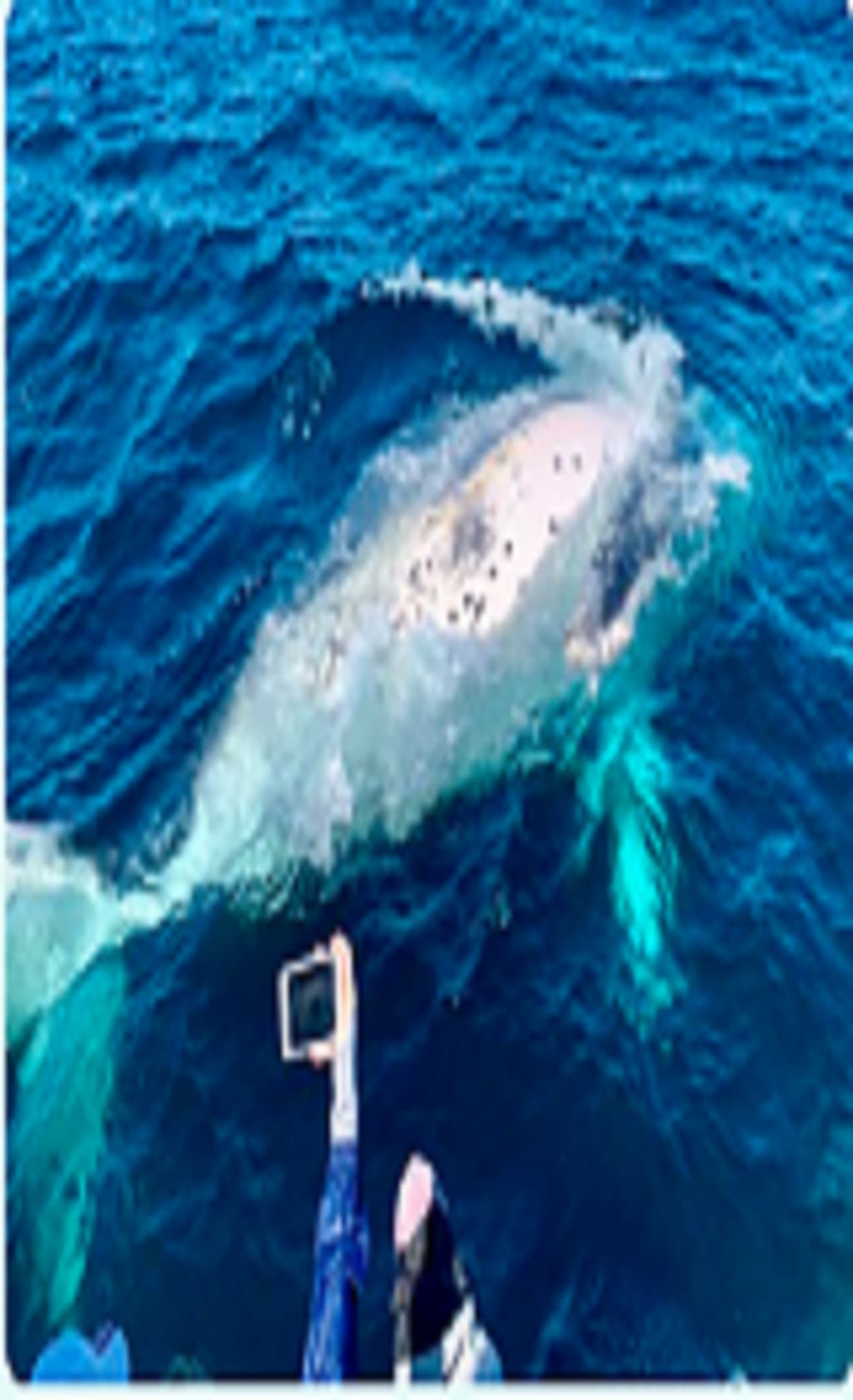
Introduction to Swimming with Whales
Imagine plunging into the deep blue ocean, surrounded by the vastness of water, and suddenly finding yourself face-to-face with one of the largest creatures on Earth—a whale. Swimming with whales offers a profound and magical experience that brings you closer to nature in ways words can hardly describe. It’s more than just a thrilling adventure; it’s an opportunity to connect with these majestic giants on a personal level. But what does it actually mean to swim with whales, and why has this experience become so popular?
Types of Whales You Can Swim With
There are several species of whales you might encounter while swimming in their natural habitats. Each species has its unique characteristics and behaviors, offering a distinct experience.
Humpback Whales
Humpbacks are famous for their incredible songs and acrobatic leaps. They are friendly and curious, often approaching swimmers, which makes them a popular choice for whale swimming enthusiasts.
Minke Whales
These are smaller whales that are known for their agility and speed. Though not as interactive as humpbacks, swimming with minkes offers a peaceful and serene experience.
Orcas (Killer Whales)
While technically a dolphin species, orcas are often included in whale swimming experiences. These apex predators are incredibly intelligent and social, making encounters with them an unforgettable experience.
Sperm Whales
Known for their massive heads and deep-diving capabilities, sperm whales are more elusive. Swimming with them can be challenging but extremely rewarding for those lucky enough to catch a glimpse.
Best Locations for Whale Swimming
The world is full of destinations where you can swim with whales, but a few stand out as the best spots for an unforgettable experience.
Tonga
Located in the South Pacific, Tonga is one of the few places in the world where you can legally swim with humpback whales. The warm, clear waters make it an ideal location.
Norway
For those looking to swim with orcas, Norway offers a stunning backdrop of fjords and icy waters. Winter is the best time to visit as orcas follow herring into the fjords.
Mexico (Baja California)
Mexico is famous for its whale-watching tours, but in Baja California, you can swim with gray whales and even humpbacks, depending on the season.
Australia
Both Ningaloo Reef and the Great Barrier Reef offer the chance to swim with humpback whales and minke whales, along with an abundance of other marine life.
When is the Best Time to Swim with Whales?
Timing is everything when it comes to whale swimming. Each species has its migration patterns, and knowing when they will be in specific regions is key to having a successful encounter.
Seasonal Patterns
Most whale migrations occur between summer and winter, when they move from feeding grounds in cold waters to breeding grounds in warmer climates. For example, humpback whales migrate from Antarctica to tropical waters like Tonga during the Southern Hemisphere's winter months (July to October).
Migration Routes
Whales follow predictable migration routes, often traveling thousands of miles. Knowing these routes increases your chances of encountering them.
Is Swimming with Whales Safe?
One of the most common concerns is safety. After all, whales are massive animals, and the ocean can be unpredictable.
Safety Measures
Always follow the guidelines provided by your tour operator. Professional guides ensure that the experience is safe for both the swimmers and the whales.
Understanding Whale Behavior
Whales are generally peaceful creatures, but it’s important to understand their behavior. Avoid swimming directly in front of or behind a whale, as their large tails can be dangerous.
Professional Guides
Having a knowledgeable guide is essential. They can help interpret the whales’ behavior and ensure that the interaction is respectful and safe.
How to Prepare for Swimming with Whales
Preparation is key to making the most of your whale swimming experience.
Necessary Gear
A wetsuit is often required, especially in colder waters. You’ll also need a snorkel, mask, and fins. Some tours provide these, but it's good to double-check.
Physical Fitness
Whale swimming can be physically demanding, especially in rough waters. Being in good physical shape will enhance your experience.
Mental Preparedness
Swimming with whales can be an overwhelming experience. It’s important to remain calm and enjoy the moment.
What to Expect During the Experience
From entering the water to interacting with whales, here’s what typically happens during a whale swimming adventure.
Entering the Water
You’ll usually enter the water from a small boat or dinghy. The goal is to approach the whales calmly and quietly.
Interaction with Whales
Whales are curious creatures. Often, they will approach you out of curiosity, but it’s essential to let them come to you rather than chasing them.
Time Spent Underwater
Most encounters last anywhere from 10 to 30 minutes, depending on the whales’ behavior and conditions in the water.
Conservation and Ethics of Swimming with Whales
Whale tourism is a growing industry, but it’s important to consider the impact it has on these animals.
Impact on Whales
While swimming with whales can be an incredible experience, it can also disturb the animals. Always ensure that your actions do not stress the whales.
Responsible Tourism
Choose operators who follow strict guidelines to protect the whales. Avoid tours that chase or harass the animals.
Supporting Conservation Efforts
Many whale swimming tours contribute to conservation efforts. By choosing the right operator, you can support research and conservation programs.
Top Whale Swimming Tours and Operators
When choosing a tour, make sure you pick an ethical and professional operator.
Ethical and Professional Tours
Look for operators who prioritize the well-being of whales and adhere to local regulations.
What to Look for in a Tour Operator
Reputation, experience, and adherence to ethical guidelines are key factors when choosing a tour operator.
Whale Communication and Behavior in Water
Whales communicate in fascinating ways, and understanding their behavior can enhance your experience.
How Whales Communicate
Whales use clicks, whistles, and songs to communicate with one another, creating a mesmerizing underwater symphony.
Body Language of Whales
Observing a whale’s body language, such as tail slapping or pectoral fin waving, can give you clues about their mood.
Challenges and Risks Involved
While swimming with whales is generally safe, there are challenges and risks to consider.
Weather Conditions
Unpredictable weather can make the experience difficult or even dangerous. Always check the weather forecast before heading out.
Potential Dangers from the Ocean
Aside from the whales, the ocean itself can be risky. Strong currents, waves, and marine life like jellyfish may pose challenges.
Ethical Dilemmas
Sometimes, well-meaning swimmers unintentionally cause harm to the whales. It’s crucial to prioritize their well-being.
Memorable Whale Swimming Stories
There are countless awe-inspiring stories from those who have swum with whales. Each encounter is unique, leaving swimmers with memories that last a lifetime.
Photography and Videography During Whale Swimming
Capturing the moment is a big part of the experience for many, but it requires some preparation.
Best Practices for Capturing the Moment
Always keep your camera at the ready, but don’t forget to enjoy the experience without the lens between you and the whale.
Equipment Recommendations
A GoPro or other waterproof camera is ideal for capturing underwater footage.
Benefits of Swimming with Whales
Swimming with whales offers more than just an adrenaline rush. It can be a transformative experience.
Personal Growth
The experience of swimming with these gentle giants can shift perspectives and inspire a deeper connection with nature.
Connection with Nature
There’s something truly special about sharing the water with a creature as magnificent as a whale. It’s a humbling reminder of our place in the natural world.
Conclusion: Why You Should Consider Swimming with Whales
Swimming with whales is a life-changing experience that offers a unique opportunity to connect with nature in a profound way. Whether you're seeking adventure or looking to deepen your appreciation for the ocean, whale swimming is a must-try experience.
About the Creator
Keep reading
More stories from Clara Decker and writers in Lifehack and other communities.
Top 5 Benefits of Installing Solar Panels in 2024
In 2024, installing solar panels has become more cost-effective than ever, with the average cost of solar photovoltaic (PV) panels decreasing by over 70% in the past decade. The efficiency of solar panels in Victoria has improved significantly, with modern panels converting up to 22% of sunlight into electricity compared to around 15% a decade ago. This means that homeowners can achieve more significant energy savings and a faster return on investment, recouping the initial costs in less than 7 years.
By Clara Deckerabout a year ago in Lifehack
Understanding Fabric Durability: How the Martindale Tester Shapes Modern Textile Quality
In the textile industry, durability is one of the most important indicators of product quality. From everyday clothing and upholstery to industrial and protective materials, fabrics are constantly exposed to friction, pressure, and repeated use. To evaluate how well a material performs under such conditions, laboratories rely on standardized testing methods. One of the most widely recognized tools for this purpose is the Martindale Tester, an instrument designed to assess fabric abrasion resistance and pilling behavior in a controlled, repeatable manner.
By Shazad Khana day ago in Lifehack
Forgotten Packing Items That Make Port A Rentals Guest-Friendly
Stepping into a vacation rental should feel like a home away from home, with a clean space, cozy beds, and, perhaps, a great view to unwind. But sometimes, even the best-planned trips can be disrupted by an unexpected challenge when guests forget to pack a few essentials.
By The Mayan Princess5 days ago in Lifehack




Comments
There are no comments for this story
Be the first to respond and start the conversation.