
Sweet Dreams, Strong Hearts
How Quality Sleep Regulates Blood Pressure

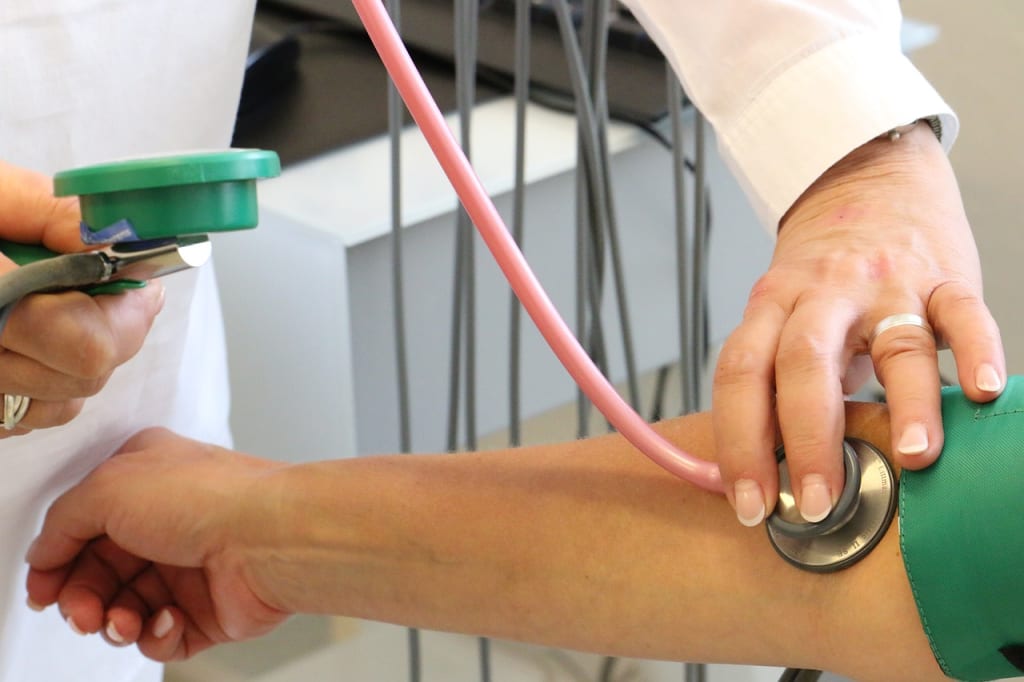
Sweet Dreams, Strong Hearts: How Quality Sleep Regulates Blood Pressure
Introduction: The Sleep-Pressure Connection
Ever wonder why you feel cranky after a bad night’s sleep? It's not just your mood that's affected. Quality sleep plays a vital role in regulating blood pressure. Believe it or not, your heart and blood pressure are tied to the sleep you get. Let's break down how sleep impacts your health and what you can do to ensure you’re getting the rest you need.
Why Is Sleep Important?
Sleep is like a superhero for your body. When you sleep, your body works hard to repair itself and recharge. During sleep, your heart rate slows down, and your blood pressure drops. This natural dip gives your heart a chance to recover from the daily grind.
But what exactly happens when you miss out on this important downtime? Poor sleep can lead to higher blood pressure levels, which can cause long-term health issues like heart disease or stroke. So, the next time you think about pulling an all-nighter, remember: your heart deserves better.
The Science Behind Sleep and Blood Pressure
How Sleep Affects Your Blood Pressure
Quality sleep can make a big difference in how your body manages blood pressure. When you fall asleep, your body enters different stages of sleep. During deeper stages, your body produces hormones that help lower blood pressure. Plus, during dream-filled REM sleep, your brain is busy processing emotions and stress, which can also impact your blood pressure levels.
Poor sleep can cause your body to release stress hormones, making your body stay alert and raise your blood pressure. Think of it like a car engine that never gets a break—over time, it’s bound to wear out.
The Role of Circadian Rhythm
Our body's internal clock, known as the circadian rhythm, regulates sleep-wake cycles. A healthy circadian rhythm helps keep your blood pressure steady throughout the day. Disruptions, like staying up too late or working night shifts, can throw this system out of whack, leading to higher blood pressure. Your body likes patterns, and when we mess with them, it doesn’t respond well.
How Sleep Deprivation Affects Blood Pressure
Short-Term Effects
Have you ever noticed how you feel more stressed after a night of poor sleep? Short-term sleep deprivation can spike your blood pressure. When you're tired, your body produces more of those pesky stress hormones. This temporary elevation is like running a sprint every day—fast-paced, but not sustainable in the long run.
Long-Term Effects
Consistently skimping on sleep can lead to chronic high blood pressure, also known as hypertension. Over time, this condition can damage your heart and blood vessels. Imagine hypertension as a slow leak in a tire—you might not notice it at first, but eventually, it can bring your journey to a halt.
Recognizing the Signs of Poor Sleep Quality
Being tired isn’t the only sign of poor sleep. Some red flags may hint that your sleep isn’t cutting it:
Difficulty concentrating: Trouble focusing on tasks? It might be your lack of sleep.
Mood swings: Feeling irritable or overly emotional? Poor sleep could be to blame.
Physical fatigue: Do you feel sluggish during the day? You may not be getting enough restorative sleep.
If you notice these signs, it may be time to reevaluate your sleep habits.
Strategies to Improve Sleep Quality
Establish a Bedtime Routine
Creating a consistent bedtime routine can work wonders for your sleep. Try to go to bed and wake up at the same time each day. Think of it as training your body to know when it's time to wind down. This simple practice can make a world of difference.
Create a Comfortable Sleep Environment
Your bedroom should be a sleep sanctuary. Keep it dark, quiet, and cool. Think of your bedroom as a cozy cave—dark and calm, the perfect place to rest. Consider blackout curtains if outside light is an issue and use earplugs or white noise machines to drown out distracting sounds.
Limit Screen Time Before Bed
We live in a digital age, and screens are everywhere. However, the blue light emitted by phones, tablets, and TVs can trick your brain into thinking it’s still daytime. Try to cut down on screen time at least an hour before bed. Consider this: how would you feel if you abruptly flipped a light switch at bedtime? Your body needs time to adjust too.
Mind Your Diet
What you eat can impact your sleep. Try to avoid heavy meals, caffeine, and alcohol before bed. Think of your stomach as a cinema—if it's busy digesting a meal, it’s hard to enjoy the show (your sleep). Light snacks can be okay, but heavy meals can keep you tossing and turning.
Incorporate Relaxation Techniques
Practicing relaxation techniques such as deep breathing, meditation, or gentle yoga can prepare your body for sleep. Consider it a warm-up before a big game, easing your body and mind into a restful state.
When to Seek Help
If you’ve tried improving your sleep habits and still struggle with sleep, it might be time to reach out for professional help. Sleep disorders like sleep apnea can significantly impact your blood pressure and overall health. A healthcare provider can guide you through the necessary steps.
Conclusion: The Path to Better Sleep and Heart Health
Quality sleep is not just a luxury; it's essential for maintaining healthy blood pressure and overall wellness. By understanding how sleep affects your body and making simple adjustments, you can pave the way for better sleep, healthier blood pressure levels, and a happier life.
Sleep isn’t just about resting; it’s about restoring and rejuvenating your body. So, tuck yourself in tonight knowing that your heart—and your blood pressure—will thank you for it.
Medical Disclaimer: This article is for informational purposes only and should not be taken as medical advice. Consult with a healthcare professional before making any significant changes to your sleep habits or health regimen.
About the Creator
increase
Infusing expertise into every word to empower you with the best choices. Unveiling hidden gems and top-notch products for your refined taste and better lifestyle. #QualityContent #InformedDecisions
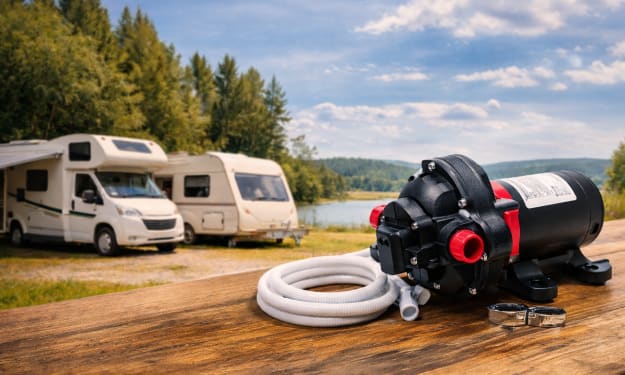
How to Choose the Right 12V Water Pump for a Campervan or Caravan (Flow Rate, PSI, Noise & Cycling)?
A good 12V pump should feel simple: you open the tap, water comes out, and the pump doesn’t annoy you in the background. You don’t need technical knowledge to choose well. You just need to understand four things:
By Bishal Khadka6 days ago in Lifehack
I Stopped Chasing Money—And This One Lifehack Quietly Made Me Richer
For years, I believed making money was about working harder, longer, and pushing myself to the limit. I thought if I just stayed busy enough—if I said yes to every opportunity and filled every hour of my day—money would naturally follow.
By Lukáš Hrdlička3 days ago in Lifehack



Comments
There are no comments for this story
Be the first to respond and start the conversation.