
Surprising Health Benefits of Houseplants You Might Not Know
If you do not have plants in your house, you are missing out on many health benefits.


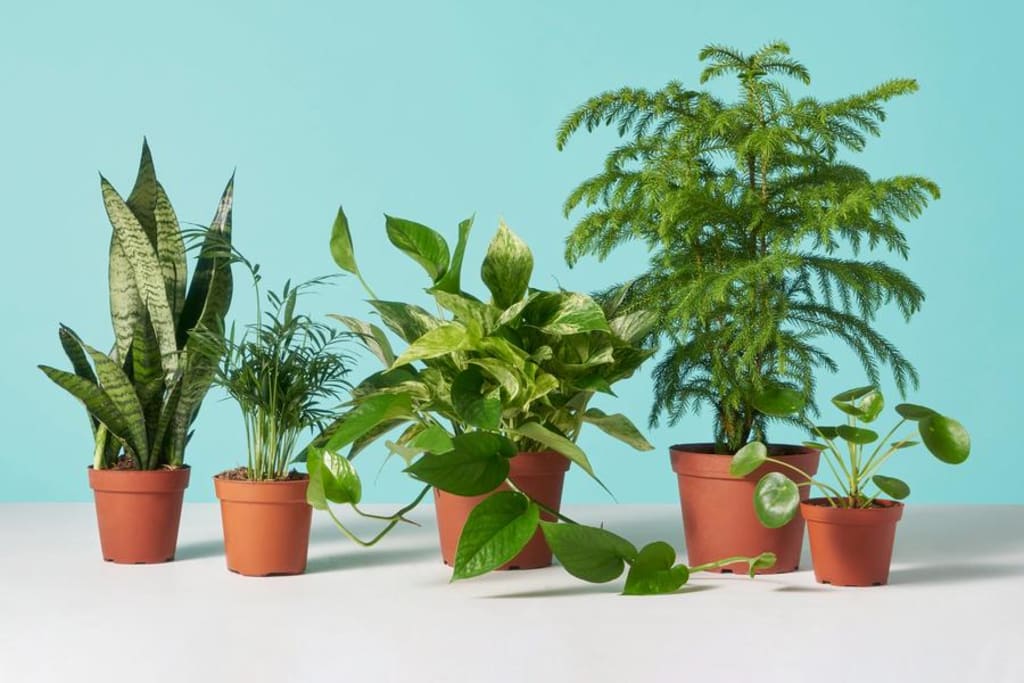
You might think plants belong only in the garden, out in the sun, and away from our houses and offices where we live and work. This is far from the truth. Plants are the simplest way to bring nature inside. Besides, houseplants have many health benefits.
Not only do houseplants make any room look good, but they also can make you look and feel good and enhance the quality of your life.
If you already have plants in your house for decorative purposes, you will be delighted to learn how they are helping you to be healthier. Houseplants have positive psychological effects on people living in the house and even on those who visit. Here are great reasons to convince you to have plants in your house.
1. Allergy Relief
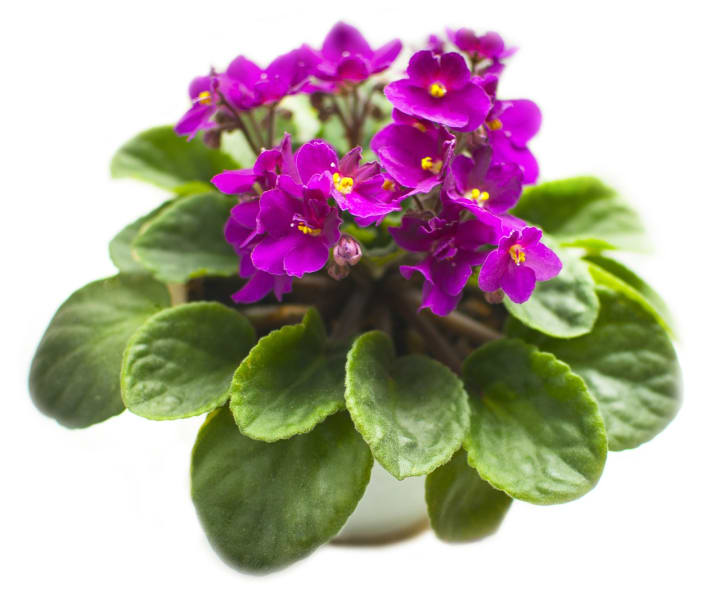
Houses with plants have less dust and mold than houses without any plants. Parts of the plants act as natural filters to catch allergens, dust, and other airborne particles. Textured leaves of most plants do a great job providing allergy relief.
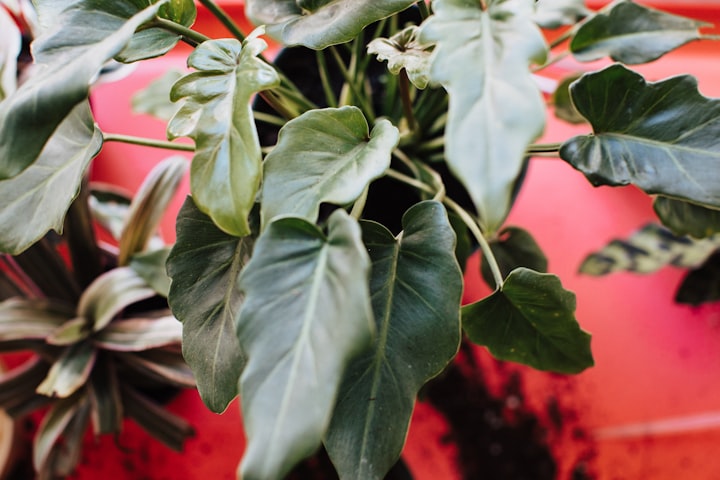
2. Easier to Breath
Plants in your bedroom refresh the air during the night so you can breathe easier. When you breathe, your body takes in oxygen and releases carbon dioxide. Adding plants to your bedroom can increase oxygen levels.
3. Help Fight Colds, Coughs, and Sore Throat
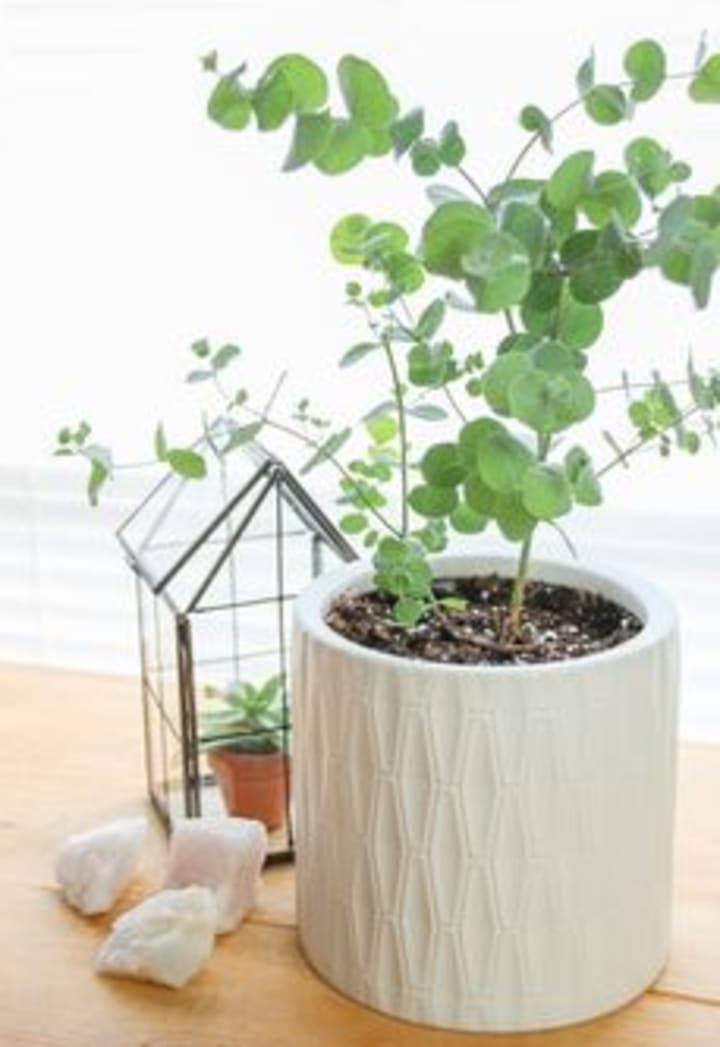
Plants have the ability to humidify the air and decrease dust. Studies in horticulture show how adding plants to bedrooms, office, and hospital settings fight viruses and decrease fatigue, headaches, colds, coughs, and sore throats. Put some plants like eucalyptus in your bedroom to help clear congestion from your system.
4. Purifies the Air
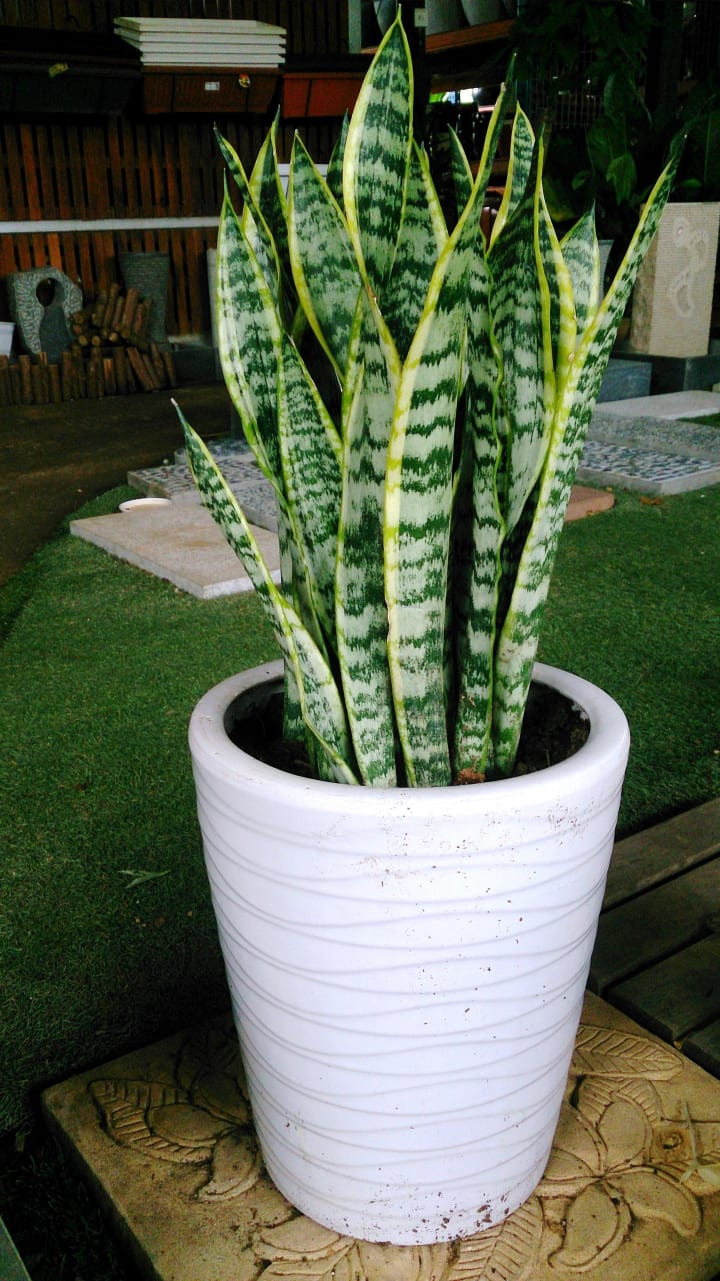
Plants are the best natural air purifiers. They cleanse the air from toxic chemicals such as formaldehyde and benzene which are usually found in carpets, paint, printer toner and inks, grocery bags, magazines, books, cigarettes, vinyl, and solvents. These things build up in the air and cause respiratory problems, dry coughs, sore throats, eye problems, and itchy skin.
Some indoor plants that make the best air purifiers include spider plant , aloe vera, snake plant . peace lily , chrysanthemum , and bamboo palm . A few small pots in your bedroom will purify the air and provide extra oxygen that will help you get a good night sleep.
5. Provide Moisture
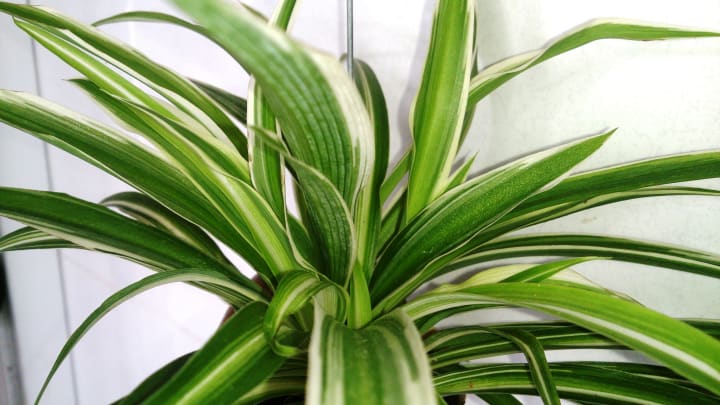
Furnaces and air conditioners can reduce humidity indoors. Houseplants add moisture to the air that can lower your chances of having a cold, the flu, dry cough, a sore throat, and itchy skin. A spider plant in your bedroom can provide the moisture needed to keep you comfortable while you sleep.
6. Lifts the Mood
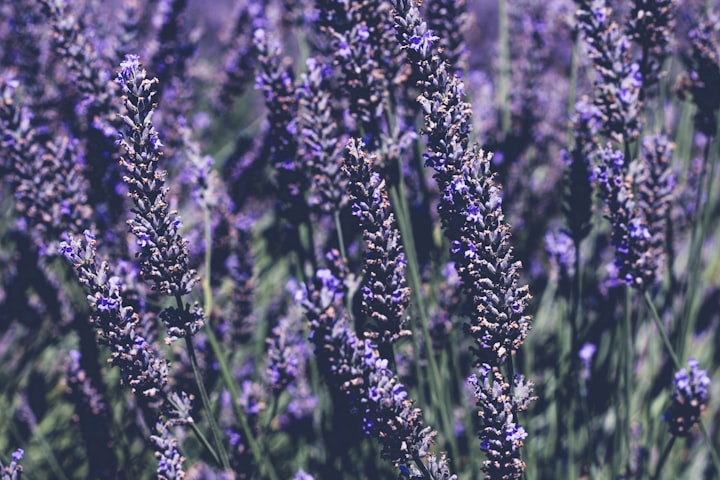
This fragrant purple plant will not only brighten up your surroundings, but it smells good and can also lift your mood. Some studies suggest lavender houseplants may help calm you and help lower any anxiety. People who have a lavender plant in their office tend to feel better about their jobs, worry less, are more productive, and take fewer sick days.
7. Aloe for First Aid

The gel from an aloe vera plant is a natural and a popular home remedy. It can treat sunburns and other minor burns. It can soothe psoriasis and other skin conditions. Juice from the aloe plant can even help you if you are ever constipated. Aloe vera is a plant that can replace many store-bought medicines. Although there are over 300 species of aloe, it is the aloe vera plant that is used most often for medicinal purposes.
8. Provide Faster Healing
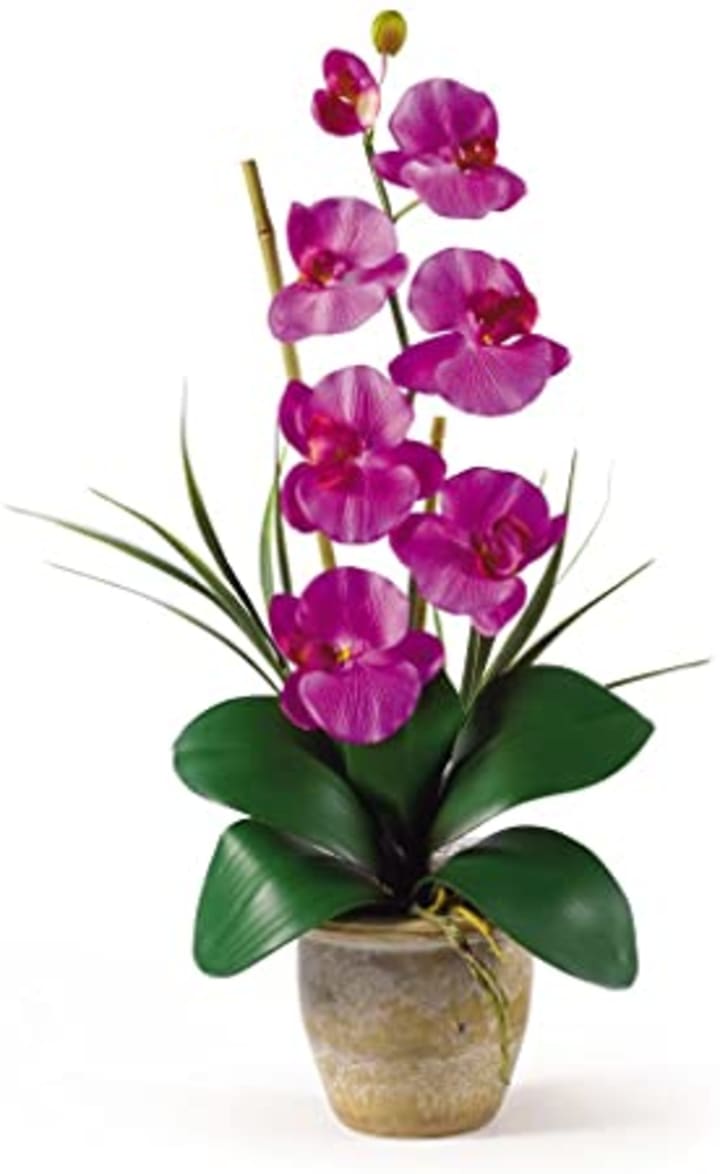
Have you ever wondered why flowers are taken to sick people in the hospital? Taking a bouquet of flowers or potted foliage to a loved one in the hospital may actually help them recover quicker. Researchers found that people who had surgery tolerated pain better and needed fewer medications when they were surrounded by plants. They got better faster and were released quicker than those who did not have plants in their room.
Adding plants to your bedroom and office settings decreases fatigue, colds, headaches, coughs, sore throats, and flu-like symptoms. Sickness rates are reduced by more than 60 percent in bedrooms and offices with plants. Try putting in an orchid or a peace lily.
9. Relieve Stress
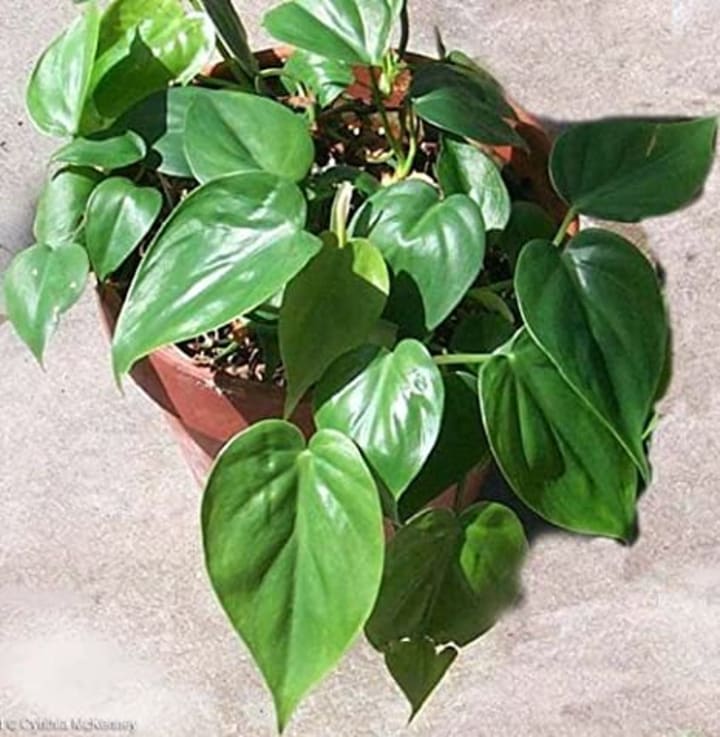
If you are stressed and feeling anxious, add a heart-leaf philodendron or a snake plant to your house to help you relax. Being around plants has a calming effect on people. They can help lower blood pressure, heart rate, and respiratory problems, as well as helping to reduce stress.
Employees like to keep potted plants on their desks to help them keep calm and stress-free during the day. Studies have found that having plants nearby leads to better productivity.
10. Promote a Sharper Focus
Students have found that having plants in their rooms helps them concentrate better and strengthen their memory. Studies show that students with potted plants in their classroom perform much better on tests than students in classrooms without any plants. Having plants around helps improve memory even if you are not a student.
11. Give Mental and Emotional Health
Houseplants have been suggested by some therapists to help treat patients dealing with dementia, depression, schizophrenia, and other psychiatric conditions. Plants also might help people recovering from trauma, as well as those who live in long-term care facilities. Learning to nurture a living plant may help lower anxiety, improve attention, and lessen the severity of mental and emotional problems.
12. Could Lead to a Longer Life
It is almost hard to believe that having a houseplant could lead to a longer life, but it could. A public health organization studied people for eight years and found that those who had houseplants also had significantly lower rates of death compared to those who had no houseplants at all.
About the Creator
Margaret Minnicks
Margaret Minnicks has a bachelor's degree in English. She is an ordained minister with two master's degrees in theology and Christian education. She has been an online writer for over 15 years. Thanks for reading and sending TIPS her way.
Keep reading
More stories from Margaret Minnicks and writers in Lifehack and other communities.
Jigsaw Puzzles: Popular Activity During Pandemic Lockdown
Jigsaw puzzles have become very popular during the COVID-19 pandemic lockdown. Many people who didn't enjoy jigsaw puzzle before or who didn't have time to complete one before are now enjoying doing jigsaw puzzles. They have plenty of time to have fun alone or with family members now that they are quarantined together.
By Margaret Minnicks6 years ago in Lifehack
Top 10 Questions to Ask Every Perth NDIS Service Before You Engage Them
Choosing the right National Disability Insurance Scheme (NDIS) provider shapes the quality of care, independence, and outcomes a participant experiences. In Perth, families and participants face a growing number of service options, which makes informed decision-making essential.
By Anshul Vijay2 days ago in Lifehack
9 Foods You Should Never Eat Past the Expiration Date, No Exceptions
But certain foods cross a line where the expiration date becomes about more than just quality—it’s about safety. Eating past that line can expose you to dangerous bacteria, toxins, or nutrient loss you can’t see or smell. Knowing which foods to never push beyond their expiration dates is key to keeping your kitchen safe. Here are the nine foods that are not worth the risk.
By General gyan2 days ago in Lifehack




Comments (1)
Fantastic houseplant reminder and advice!!! Well done, Margaret!!!😊💕