
Sunlight to Green Hydrogen: Breakthrough Enables Mass Production for a Carbon-Free Future
Sunlight to Scale: Green Hydrogen’s Carbon-Free Revolution

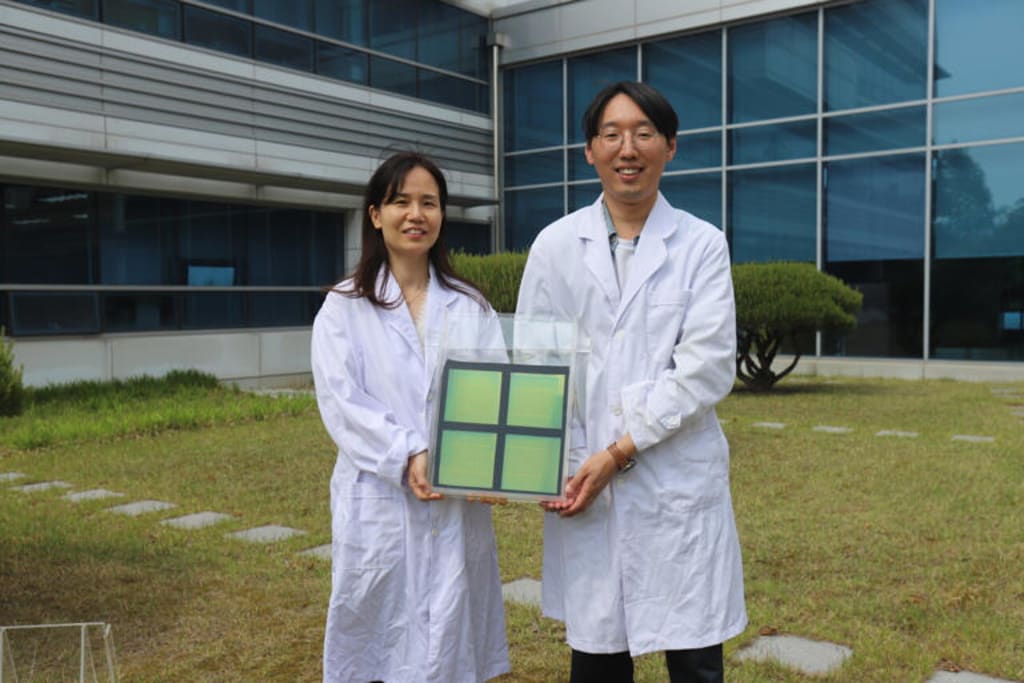
The global energy landscape is undergoing a transformative shift as scientists unveil a groundbreaking method to produce green hydrogen using natural sunlight at scale. This innovation promises to address one of the most pressing challenges in the renewable energy sector: unlocking affordable, efficient, and sustainable hydrogen production. Green hydrogen, produced via renewable energy-powered electrolysis, has long been hailed as a linchpin for decarbonizing industries like steel, shipping, and aviation. However, high costs and energy inefficiencies have stalled its adoption—until now. This article delves into the science behind this solar-driven breakthrough, its implications for the clean energy transition, and what it means for the future of global sustainability.
How Does Sunlight-Powered Green Hydrogen Production Work?
Traditional green hydrogen production relies on electrolyzers, which split water (H₂O) into hydrogen (H₂) and oxygen (O₂) using electricity from renewables like wind or solar. While effective, this process is energy-intensive and requires costly infrastructure. The new sunlight-to-hydrogen technology bypasses these limitations by directly converting solar energy into hydrogen through innovative methods:
Photocatalytic Water Splitting:
Engineers have developed advanced photocatalysts—materials like titanium dioxide or bismuth vanadate—that absorb sunlight and trigger a chemical reaction to split water molecules.
These catalysts are engineered at the nanoscale to maximize light absorption and minimize energy loss, achieving record-breaking solar-to-hydrogen (STH) efficiencies of over 15%.
Artificial Photosynthesis:
Mimicking natural photosynthesis, systems use bio-inspired “leaf-like” structures with light-absorbing layers and catalytic sites. Sunlight excites electrons, which drive hydrogen extraction from water.
Startups like Heliogen and C-Zero are scaling this approach using AI-optimized solar concentrators.
Integrated Solar-Electrolysis Systems:
Pairing high-efficiency solar panels with low-cost electrolyzers, this hybrid method uses sunlight to generate electricity on-site, which then powers the electrolysis process.
Recent advancements in perovskite solar cells (30%+ efficiency) and proton exchange membrane (PEM) electrolyzers have slashed costs by 40% since 2020.
Direct Solar Hydrogen Farms:
Large-scale arrays of solar reactors in sun-rich regions (e.g., deserts) use mirrors to concentrate sunlight onto water-filled reactors, producing hydrogen continuously.
Why Now? The Catalysts Driving This Innovation
The push for sunlight-driven hydrogen is fueled by converging technological, economic, and geopolitical factors:
Climate Imperatives:
With global temperatures on track to rise by 2.7°C by 2100, the International Energy Agency (IEA) warns that green hydrogen must cover 13% of energy demand by 2050 to meet net-zero goals.
Plummeting Solar Costs:
Solar PV costs have fallen by 90% since 2010, making energy-intensive hydrogen production viable.
Policy Tailwinds:
The U.S. Inflation Reduction Act (IRA) offers a $3/kg tax credit for green hydrogen, while the EU’s REPowerEU plan targets 10 million tons of domestic renewable hydrogen production by 2030.
Industrial Demand:
Companies like Thyssenkrupp and Maersk are investing billions to replace fossil fuels with green hydrogen in steelmaking and shipping.
Energy Security:
Nations seek to reduce reliance on imported fossil fuels, especially post-Ukraine war. Sunlight-powered hydrogen offers a decentralized, resilient energy source.
Dr. Francesca Ferrazza, Head of Energy Storage at Enel Green Power:
“This isn’t just about producing hydrogen—it’s about reimagining our energy systems. Sunlight-to-hydrogen tech turns every sunny region into a potential clean energy exporter.”
Aditya Mittal, CEO of ArcelorMittal:
“Green hydrogen is the missing link for carbon-neutral steel. Solar-driven production makes it economically feasible within this decade.”
Benefits of Sunlight-Powered Green Hydrogen
Zero Emissions:
Unlike gray hydrogen (made from methane) or blue hydrogen (with carbon capture), sunlight-driven production emits only oxygen as a byproduct.
Energy Independence:
Countries like Chile and Australia, rich in sunlight but lacking fossil fuels, can become green hydrogen superpowers.
Cost Competitiveness:
The Levelized Cost of Hydrogen (LCOH) for solar-based systems is projected to drop to $1.50/kg by 2030, undercutting fossil-based hydrogen.
Industrial Decarbonization:
Green hydrogen can replace coking coal in steelmaking, natural gas in fertilizer production, and diesel in heavy transport.
Grid Stability:
Excess solar energy can be stored as hydrogen, providing a dispatchable power source during cloudy days or nighttime.
Prof. Daniel Nocera, Harvard University:
“Artificial photosynthesis could democratize energy access. A village in Africa could harness sunlight and water to power its future—no grid required.”
Future Goals: Scaling the Solar-Hydrogen Revolution
Boosting Efficiency (2023–2030):
Researchers aim to achieve 25% STH efficiency by 2030 using quantum dot catalysts and machine learning-optimized reactor designs.
Global Infrastructure (2030–2040):
Building “hydrogen highways” with pipelines and ports to transport liquid hydrogen from solar farms in deserts to industrial hubs.
Policy Harmonization:
The World Hydrogen Council is lobbying for standardized international certifications to ensure hydrogen’s green credentials.
Affordable Adoption:
Startups like H2Pro are developing modular, containerized hydrogen systems to empower small businesses and remote communities.
Synergy with Other Renewables:
Hybrid wind-solar-hydrogen plants, such as those planned in Morocco’s Sahara Desert, will ensure round-the-clock production.
Conclusion: A Solar-Powered Hydrogen Economy Within Reach
The ability to mass-produce green hydrogen using sunlight marks a turning point in humanity’s quest for sustainable energy. By harnessing the planet’s most abundant resources—sunlight and water—this technology offers a scalable solution to decarbonize industries once deemed incompatible with renewables. While challenges like storage, transport, and upfront costs remain, the pace of innovation suggests a future where green hydrogen is as ubiquitous as fossil fuels are today. As nations and corporations rally behind this vision, the dream of a carbon-free world is no longer science fiction—it’s a tangible reality being built under the sun.
FAQ: Your Questions Answered
Q1: How is sunlight-driven hydrogen different from regular green hydrogen?
Sunlight-driven systems skip the electrolysis step, using light energy directly to split water. This reduces energy losses and infrastructure costs.
Q2: When will this technology be commercially available?
Pilot plants are operational in Spain and Saudi Arabia. Widespread commercialization is expected by 2028–2030.
Q3: Is this method viable in less sunny regions?
Cloudy regions can use integrated solar-electrolysis systems with battery storage to ensure consistent production.
Q4: What’s the biggest hurdle to scaling this tech?
Developing durable, low-cost catalysts that withstand decades of exposure to sunlight and water.
Q5: Could green hydrogen replace gasoline for cars?
Yes, hydrogen fuel cell vehicles (FCVs) are already in use, but widespread adoption hinges on refueling infrastructure.
Q6: How does this impact fossil fuel-dependent economies?
Nations like Saudi Arabia and Australia are pivoting to become green hydrogen exporters, future-proofing their economies.
Q7: What industries will benefit first?
Steel, chemicals, and long-haul transportation sectors are leading the charge due to regulatory and investor pressures.
The fusion of sunlight and hydrogen isn’t just a scientific marvel—it’s a beacon of hope for a world grappling with climate change. As this technology matures, it will redefine how we power our lives, industries, and planet, proving that the clean energy revolution is limited only by our imagination.
About the Creator
Jacky Kapadia
Driven by a passion for digital innovation, I am a social media influencer & digital marketer with a talent for simplifying the complexities of the digital world. Let’s connect & explore the future together—follow me on LinkedIn And Medium
Keep reading
More stories from Jacky Kapadia and writers in Lifehack and other communities.
US & Europe Break Barriers: Testing the World’s Most Advanced Aircraft Engines
The global aviation industry is on the cusp of a technological revolution. In a landmark transatlantic collaboration, the United States and Europe have begun testing what engineers are calling the “most advanced aircraft engines ever developed.” These next-generation propulsion systems promise to redefine air travel, slashing emissions, boosting efficiency, and potentially reshaping global aerospace dominance. From hybrid-electric engines to hypersonic-capable designs, here’s an in-depth look at how these innovations work, why they matter, and what they mean for the future of flight.
By Jacky Kapadia10 months ago in Lifehack
How AI-Native Browsers are Redefining Digital Freedom and Productivity in 2026
The Evolution of the Modern Browser By 2026, the concept of a web browser has expanded far beyond its original purpose of simply loading web pages. Over the past decade, the internet has evolved into a highly dynamic environment where users manage businesses, automate workflows, and interact with complex digital ecosystems directly from their browsers.
By Shahid Sipra5 days ago in Lifehack




Comments
There are no comments for this story
Be the first to respond and start the conversation.