
US & Europe Break Barriers: Testing the World’s Most Advanced Aircraft Engines
What This Means for Aviation’s Future

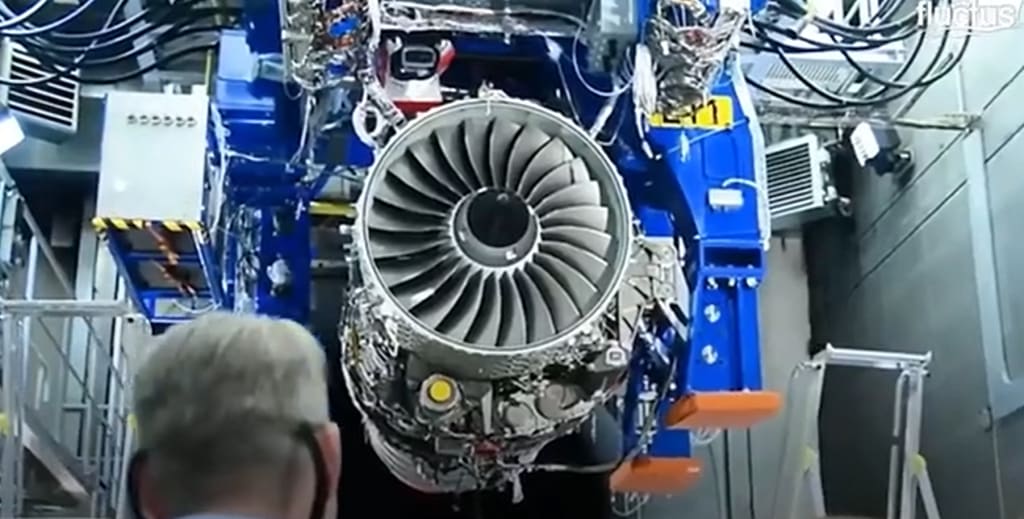
The global aviation industry is on the cusp of a technological revolution. In a landmark transatlantic collaboration, the United States and Europe have begun testing what engineers are calling the “most advanced aircraft engines ever developed.” These next-generation propulsion systems promise to redefine air travel, slashing emissions, boosting efficiency, and potentially reshaping global aerospace dominance. From hybrid-electric engines to hypersonic-capable designs, here’s an in-depth look at how these innovations work, why they matter, and what they mean for the future of flight.
How These Engines Work: The Science Behind the Breakthroughs
The engines under development represent a quantum leap from traditional turbofan technology. Three core innovations are driving this revolution:
1. Adaptive Cycle Engines
Pioneered by the U.S. Air Force and companies like GE Aerospace, adaptive cycle engines use AI-driven systems to dynamically adjust airflow. Unlike conventional engines optimized for either high thrust (takeoff) or efficiency (cruising), these engines automatically reconfigure their bypass ratios mid-flight.
Key Feature: A third stream of air that can be modulated for different flight phases.
Result: 25% less fuel burn and 10% greater range compared to current military engines.
2. Hybrid-Electric Propulsion
European consortiums like Clean Sky 2 are testing engines that combine gas turbines with electric motors. These systems use battery power during taxiing, takeoff, and landing—phases responsible for 30% of total flight emissions.
Example: Safran’s EcoPulse demonstrator uses distributed electric propulsion with six integrated motors.
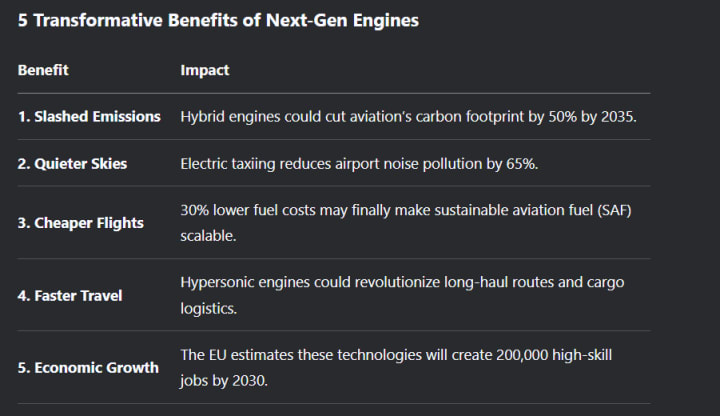
Impact: 50% noise reduction and 20% lower CO₂ emissions on short-haul flights.
3. Hypersonic-Compatible Designs
Both NASA and the EU’s Destinus startup are experimenting with engines capable of sustaining Mach 5+ speeds. These use rotating detonation combustion (RDC), where fuel burns in supersonic shockwaves rather than conventional flames.
Breakthrough: 15% more efficient than scramjets at hypersonic speeds.
Application: Military reconnaissance and ultra-fast commercial travel (e.g., New York to Paris in 90 minutes).
Why This Collaboration Matters Now
The U.S.-Europe push for next-gen engines is driven by four urgent priorities:
Climate Imperatives
Aviation accounts for 2.5% of global CO₂ emissions. The EU’s Flightpath 2050 mandates a 75% reduction in aircraft emissions by 2050, while the U.S. aims for net-zero aviation by 2050. Current engines can’t meet these targets.
Geopolitical Competition
China’s AECC CJ-2000 engine and Russia’s PD-35 program threaten Western dominance. The U.S. and Europe aim to secure leadership in both commercial and military aerospace.
Post-Pandemic Travel Demand
Global air traffic is expected to double by 2040. Airlines need radically efficient engines to manage costs amid volatile fuel prices.
Military Readiness
The U.S. Air Force’s Next Generation Air Dominance (NGAD) program and Europe’s Future Combat Air System (FCAS) require engines with greater thrust, stealth, and thermal management for sixth-gen fighters.
Dr. Sarah Lindholm, Aerospace Engineer at MIT:
“This isn’t just about better engines—it’s about reimagining the physics of flight. Adaptive cycles and hybrid systems are as revolutionary as the jump from propellers to jets.”
The Road Ahead: Challenges and Timeline
While promising, these engines face hurdles:
Battery Limitations: Current energy density for hybrid systems remains 5x lower than jet fuel.
Regulatory Delays: Certification for adaptive cycle engines may take until 2030.
Costs: Hypersonic R&D requires $20B+ in combined U.S.-EU investment.
Projected Rollout:
2025-2030: Hybrid-electric engines enter regional service (e.g., Airbus’ ZEROe).
2035: Adaptive cycle engines power next-gen fighters and long-haul jets.
2040: Hypersonic passenger prototypes tested.
Conclusion: A New Dawn for Aviation
The U.S.-European engine initiative marks a pivotal moment in aerospace history. By merging cutting-edge AI, materials science, and propulsion physics, these engines could achieve what seemed impossible: reconciling humanity’s desire to fly with the planet’s ecological limits. As Dr. Lindholm notes, “We’re not just building better engines—we’re building a bridge to aviation’s sustainable future.”
Success hinges on sustained collaboration. If these programs deliver, the 2030s may see the birth of an aviation era defined by speed, silence, and sustainability.
FAQ: Your Top Questions Answered
Q1: Will these engines make air travel cheaper?
Yes—hybrid systems could cut fuel costs by 30%, while adaptive cycles reduce maintenance needs. However, initial R&D costs may keep ticket prices stable until 2035.
Q2: Can hypersonic engines be used commercially?
Not immediately. Current prototypes (like Destinus’ hydrogen-powered jets) are for cargo and military use. Passenger hypersonic travel remains a 2040+ prospect.
Q3: How do these engines help combat climate change?
Hybrid-electric engines enable wider SAF adoption, while adaptive cycles reduce fuel burn. Combined, they could help aviation hit net-zero targets.
Q4: What happens to older planes?
Retrofitting existing fleets with new engines is unlikely. Airlines will phase out older models (e.g., Boeing 737s) as next-gen planes like Boeing’s Truss-Braced Wing enter service.
Q5: Is China ahead in engine technology?
Not yet. While China’s CJ-2000 is comparable to current Western engines, its adaptive cycle and hypersonic programs lag by 5-7 years.
Q6: Are these engines safe?
Rigorous testing is ongoing. Hybrid systems have redundant battery safeguards, while adaptive cycles use AI with human override controls.
Final Word
The U.S. and Europe aren’t just testing engines—they’re testing humanity’s ability to innovate its way out of the climate crisis while advancing global connectivity. As these technologies mature, one thing is clear: the golden age of aviation is just beginning.
Stay Updated: Follow the EU’s Clean Aviation Initiative and the U.S. Department of Energy’s Advanced Research Projects Agency (ARPA-E) for real-time developments.
About the Creator
Jacky Kapadia
Driven by a passion for digital innovation, I am a social media influencer & digital marketer with a talent for simplifying the complexities of the digital world. Let’s connect & explore the future together—follow me on LinkedIn And Medium
Keep reading
More stories from Jacky Kapadia and writers in Lifehack and other communities.
Google Unveils Project Mariner: The AI-Powered Web Agent Set to Revolutionize Browsing
The way we interact with the internet is on the brink of a major transformation. Google has officially announced Project Mariner, an AI-powered web browsing agent designed to make online navigation faster, smarter, and more intuitive. This groundbreaking technology promises to redefine how users search, browse, and consume digital content—ushering in a new era of AI-assisted web interaction.
By Jacky Kapadia10 months ago in Lifehack
10 Smart Life Tips That Can Make Your Everyday Easier
Life can often feel chaotic, and small inefficiencies can add up to big stress over time. But with the right tips and ideas, you can simplify your daily routine, improve productivity, and even enjoy more free time. Here are 10 smart life tips that anyone can apply, whether at home, work, or on the go. 1. Use the 2-Minute Rule If a task takes less than two minutes to complete, do it immediately. This simple rule, inspired by productivity experts, helps you avoid cluttered to-do lists and keeps small chores from piling up. For example, responding to a quick email, washing a few dishes, or filing a document immediately prevents a backlog that could overwhelm you later. 2. Organize Your Workspace A clean and organized workspace can drastically improve focus. Keep only essentials on your desk, use cable organizers, and maintain a minimalist setup. Even small changes like labeling drawers or arranging your tools efficiently can save time every day. Adding plants or a small desk lamp can also create a calm environment, helping you stay productive longer. 3. Batch Your Tasks Grouping similar tasks together reduces the mental load of constant context switching. For instance, check emails only twice a day, or batch all errands into a single outing. Batching prevents wasted time and improves efficiency. For parents or busy professionals, batching tasks like grocery shopping or preparing meals for the week can make a huge difference. 4. Automate Routine Tasks Technology can save you hours each week. Set up automatic bill payments, calendar reminders, and recurring online orders. Apps like task managers, AI assistants, and smart home devices can streamline everyday activities. For example, automating your weekly cleaning schedule with reminders or smart lights can reduce daily stress. 5. Prioritize Your Health A sharp mind needs a healthy body. Simple habits like drinking enough water, taking short walking breaks, and doing light exercises can boost energy levels and mental clarity throughout the day. Even stretching for five minutes in the morning or practicing mindful breathing can have long-term benefits. 6. Meal Prep & Plan Ahead Planning your meals for the week saves both time and money. Batch-cook meals or prep ingredients in advance. This not only reduces last-minute stress but also encourages healthier eating habits. You can also experiment with simple, time-saving recipes like overnight oats, one-pot meals, or pre-chopped vegetable mixes. 7. Digital Declutter A cluttered phone or computer slows you down. Delete unnecessary files, organize folders, and unsubscribe from emails you don’t need. A clean digital space can improve focus and reduce distractions. Additionally, use productivity apps to track important tasks rather than relying on memory alone. 8. Practice Mindful Breaks Short breaks are essential to maintain productivity. Instead of scrolling social media, try a 5-minute meditation, deep breathing, or stretching. Mindful breaks recharge your energy more effectively and prevent burnout. Listening to calming music or taking a walk outside can also refresh your mind. 9. Keep a “Done” List Instead of only tracking tasks to do, maintain a list of completed tasks. Seeing your accomplishments boosts motivation and helps you reflect on what strategies worked best for you. Celebrate small wins, whether finishing a report or simply tidying up your room, to create a positive momentum. 10. Learn to Say No Time is precious. Avoid overcommitting by politely declining tasks or invitations that don’t align with your priorities. Setting boundaries helps protect your energy and focus for the things that truly matter. Remember, saying no to one thing is saying yes to your own goals and well-being. Final Thoughts: Smart life tips don’t have to be complicated. The small changes listed above, when applied consistently, can improve productivity, reduce stress, and make your daily routine smoother. Start with one or two tips today, gradually incorporate the rest, and soon you’ll notice your life becoming more organized, efficient, and fulfilling.
By Baseer Shaheen about 12 hours ago in Lifehack


Comments
There are no comments for this story
Be the first to respond and start the conversation.