
Stress: The Hidden Threat to Your Health and How to Manage It
Discover How Chronic Stress Impacts Your Body and Practical Steps to Reclaim Balance in Your Life

Stress: The Hidden Threat to Your Health and How to Manage It
In today’s fast-paced world, stress has become an inevitable part of our lives. From work deadlines to personal commitments, the constant pressure can take a toll on our mental and physical well-being. While some stress is normal and even necessary for growth, chronic stress can quietly wreak havoc on our health, earning it the title of the “hidden threat.”
The good news is that stress can be managed effectively. Let’s explore how stress impacts your health and uncover practical strategies to take control of it before it takes control of you.
The Quiet Impact of Stress on Your Health
Stress doesn’t always show itself in obvious ways. It often starts small—an occasional headache, disrupted sleep, or irritability—but if left unchecked, it can escalate into serious health problems.
Here’s how chronic stress affects your body:
Heart Health: Long-term stress can increase your blood pressure and raise your risk of heart attacks and strokes.
Immune System: Stress weakens your immune system, making you more susceptible to illnesses like colds and flu.
Mental Health: Chronic stress contributes to anxiety, depression, and burnout.
Digestive System: Ever had a stomach ache during a stressful situation? That’s stress affecting your gut health.
Stress is more than just a feeling—it’s a chain reaction in your body that, over time, can lead to serious health conditions. Recognizing the symptoms early is key to preventing long-term damage.
Are You Under Too Much Stress?
Here are some common signs of chronic stress to watch out for:
Constant fatigue, even after rest
Difficulty concentrating or making decisions
Increased irritability or mood swings
Physical symptoms like headaches, chest pain, or muscle tension
Changes in appetite or sleep patterns
If these signs resonate with you, it’s time to assess the sources of stress in your life and take action.
Practical Ways to Manage Stress
The good news is that you don’t have to live at the mercy of stress. Small, intentional changes in your daily routine can help you manage it effectively. Here are five proven strategies to reduce stress:
1. Practice Mindfulness
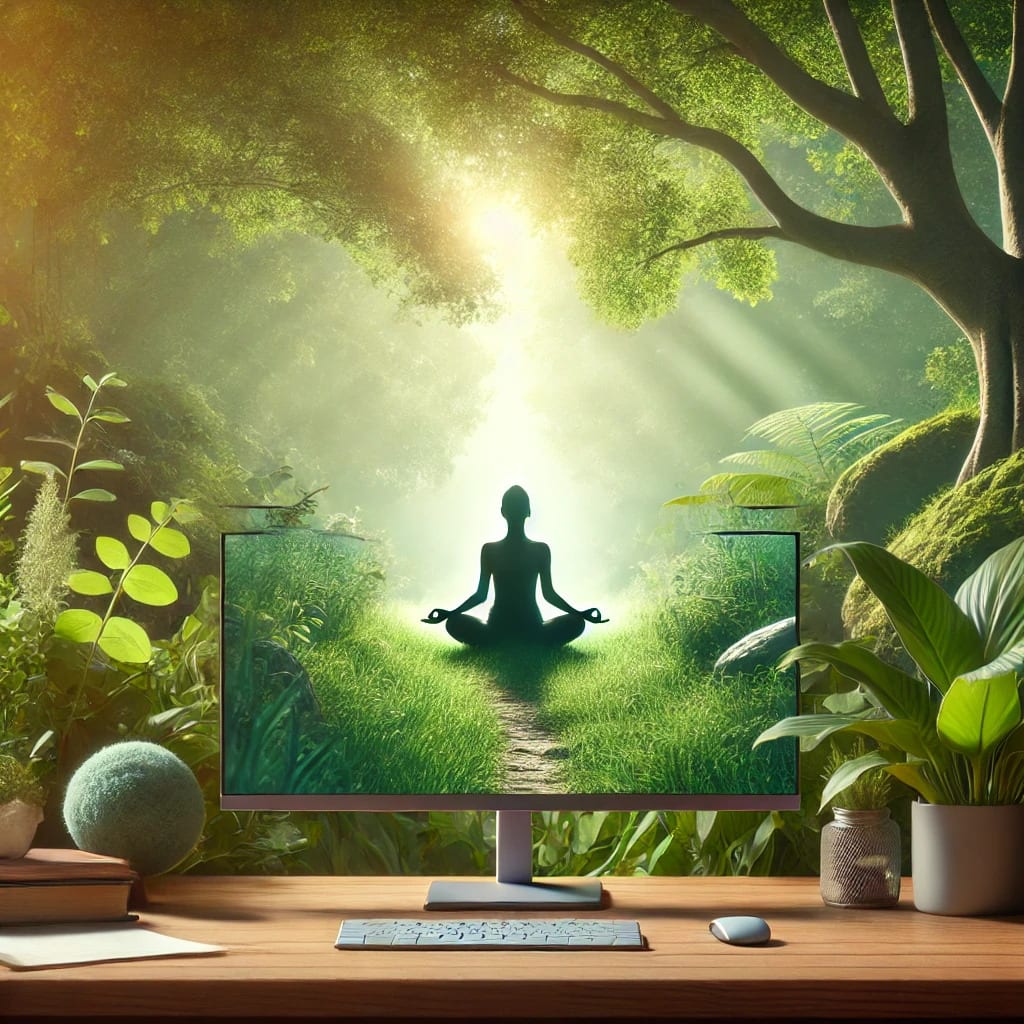
Mindfulness involves focusing on the present moment without judgment. Techniques like deep breathing, meditation, or yoga can calm your mind and reduce stress. Even just five minutes a day can make a big difference.
2. Exercise Regularly
Physical activity is a powerful stress reliever. It releases endorphins, the body’s natural feel-good chemicals. Whether it’s a brisk walk, a dance session, or a gym workout, find something you enjoy and make it a part of your routine.
3. Set Healthy Boundaries
Learn to say no to commitments that overwhelm you. Prioritize tasks that align with your goals and values, and don’t hesitate to delegate when necessary.
4. Connect with Others
Talking to a trusted friend, family member, or therapist can provide much-needed support. Sometimes, sharing your worries is enough to lighten the mental load.
5. Get Enough Sleep
Sleep is your body’s natural stress reducer. Aim for 7-9 hours of quality sleep each night. Create a bedtime routine that includes relaxing activities like reading or listening to calming music.
Success Stories: From Stress to Strength
Take, for example, David, a 35-year-old marketing executive. After years of relentless work stress, he started experiencing frequent headaches and sleepless nights. Determined to make a change, David implemented a daily routine that included meditation and evening walks. Over time, his headaches disappeared, and he found himself feeling more focused and energized.
Stories like David’s remind us that stress management isn’t just about eliminating stress—it’s about building resilience and finding balance in our lives.
Why Managing Stress Matters
When you take steps to manage stress, you’re not just improving your day-to-day life—you’re safeguarding your long-term health. Stress is a silent threat, but it doesn’t have to control you. By recognizing the signs and adopting effective strategies, you can reclaim your well-being and live a more fulfilling life.
Final Thoughts
Stress may be a part of life, but it doesn’t have to dominate it. Start small—pick one or two strategies from this list and incorporate them into your daily routine. Remember, every step you take toward managing stress is a step toward a healthier, happier you.
What’s your favorite way to de-stress? Share your tips or experiences in the comments below. You never know who you might inspire!
About the Creator
Dr.Writes
I’m a healthcare practitioner who loves sharing simple tips and ideas to help people live healthier, happier lives. My background in health allows me to break down complex topics into easy-to-understand advice that anyone can use.
Snapchat Account Hack in 2026: The Real Methods and How to Protect Yourself
Your Snaps Aren't as Disappearing as You Think When you send a Snap, you probably believe it vanishes into the digital void after being viewed. This illusion of ephemerality creates a dangerous false sense of security for millions of Snapchat users. Behind the playful lenses and streaks lies a constant, hidden battle for account access—a battle where your personal conversations, photos, and location data are the prize. Understanding this landscape isn't about promoting hacking; it's about empowering you with the knowledge to build digital fortresses around your private life.
By Alexander Hoffmann2 days ago in Lifehack
Apple iPhone Security Warning: What’s Happening, Why It’s Trending, and How to Protect Your Device
Search interest in the phrase “Apple iPhone security warning” has surged dramatically across the UK in the past 24 hours, according to Google Trends. The sudden spike suggests that thousands of iPhone users are encountering or at least hearing about the security alerts and are unsure whether they are legitimate or a cause for concern.
By James Anderson7 days ago in Lifehack
Wild Card Weekend Recap: What Happens Now?
I think I figured out why I love Wild Card Weekend so much. It's because it's the first playoff anything of the calendar year. The NFL season starts in the fall, and once upon a time, the champion was crowned either on or slightly before New Year's. The evolution of the NFL schedule has resulted in the playoffs starting just into the New Year, and currently, the final week of the season falls on the first weekend of the New Year, with Wild Card Weekend coming a week after that. So yes, chronologically, the NFL's Wild Card Weekend serves as the first playoff anything of the calendar year.
By Clyde E. Dawkins8 days ago in Unbalanced




Comments
There are no comments for this story
Be the first to respond and start the conversation.