
Stay Active This Spring with Solid Gel Packs
Spring is the perfect season to get outside and enjoy physical activities.

Spring is the perfect season to get outside and enjoy physical activities. However, increased movement also raises the risk of injuries. Did you know that nearly half of all track and field injuries are sprains or strains? These injuries often affect the knees and ankles, with high school athletes particularly vulnerable to serious knee issues that could sideline them for the season. Female athletes are at even greater risk. Having a solid gel pack on hand can help prevent and recover from these injuries effectively. Whether for warming up, cooling down, or post-activity recovery, these packs provide essential support.
Understanding Solid Gel Packs
What Are Solid Gel Packs?
Solid gel packs contain a soft, jelly-like substance encased in a durable plastic or fabric cover. The gel inside is made from water combined with special polymers, such as sodium polyacrylate, which absorbs water to form a thick gel.
When frozen, the water content forms ice crystals that retain cold energy and slowly release it when applied to the skin. This prolonged cooling effect makes solid gel packs effective for reducing swelling and pain. When heated in a microwave, they store warmth instead, helping to relax sore muscles and enhance blood circulation.
Why Use Solid Gel Packs for Sports and Recovery?
Fast Pain Relief: Cold therapy helps reduce swelling and discomfort from sprains and sore muscles.
Muscle Relaxation: Heat therapy loosens stiff muscles before and after workouts.
Reusable and Long-Lasting: Designed for multiple uses, making them a cost-effective recovery tool.
Portable and Convenient: Compact enough to fit into any gym bag, ensuring relief is always within reach.
With a solid gel pack, you're always prepared to manage minor injuries and keep moving.
Best Times to Use Solid Gel Packs
Before Activity: Warm Up Muscles
Preparing muscles before exercise reduces the risk of injury. A heated gel pack increases blood flow, enhancing flexibility and reducing the likelihood of strains. Simply microwave the pack and apply it to key areas like the knees or shoulders for a few minutes before starting your workout. Experts recommend 5–15 minutes of heat therapy before physical activity to optimize muscle function.
After Activity: Recovery and Pain Relief
After a long day of movement, your body needs recovery time. Cold therapy with a solid gel pack minimizes swelling and soothes aching muscles. Freeze the pack in advance and apply it to sore areas for 15–20 minutes to speed up recovery and prepare for your next activity.
During Activity: Immediate Injury Relief
Despite precautions, injuries can still happen. If you twist an ankle or experience muscle strain, a cold gel pack can provide instant relief by controlling inflammation and reducing pain. For outdoor activities like hiking, carrying a portable gel pack ensures that you’re always ready for unexpected injuries. Cold therapy is most effective when applied within 30–45 minutes of an injury.
How to Use Solid Gel Packs Safely
Using Hot and Cold Therapy Effectively
Cold Therapy: Store the gel pack in the freezer. Always wrap it in a cloth before applying it to your skin to prevent frostbite. Use for 15–20 minutes at a time for swelling and pain relief.
Heat Therapy: Microwave the pack carefully according to instructions. Test the temperature before applying it. Heat therapy is great for muscle relaxation and should be limited to 10–15 minutes.
Skin Protection Tips
To avoid skin irritation or burns:
Always place a cloth between your skin and the gel pack.
Do not use a gel pack for more than 20 minutes per session.
If you experience redness or discomfort, remove the pack immediately.
Keep gel packs clean and dry before freezing to prevent freezer burn.
Additional Injury Prevention Tips
The Importance of Warm-Ups and Cool-Downs
A proper warm-up increases blood circulation, flexibility, and joint mobility, significantly reducing the risk of sports-related injuries. Simple activities like light jogging or dynamic stretching prepare muscles for activity. Studies show that warm-ups can lower the risk of injuries dramatically.
Cooling down is just as important. It helps muscles relax and prevents soreness. After physical activity, take time to stretch or walk at a slower pace to promote recovery.
Using Proper Techniques in Spring Sports
Correct form in running, jumping, and other sports movements helps minimize stress on the body. Coaches emphasize proper techniques to protect areas like the knees and shoulders. Taking time to learn the correct methods when trying a new sport can prevent overuse injuries.
Staying Hydrated and Listening to Your Body
Hydration plays a vital role in preventing fatigue and overheating. Sweating depletes fluids, leading to exhaustion and increased heart rate. Drink water regularly and pay attention to warning signs such as dizziness or extreme fatigue. If you feel discomfort or pain, take a break and rest.
Solid Gel Packs: Your Springtime Essential
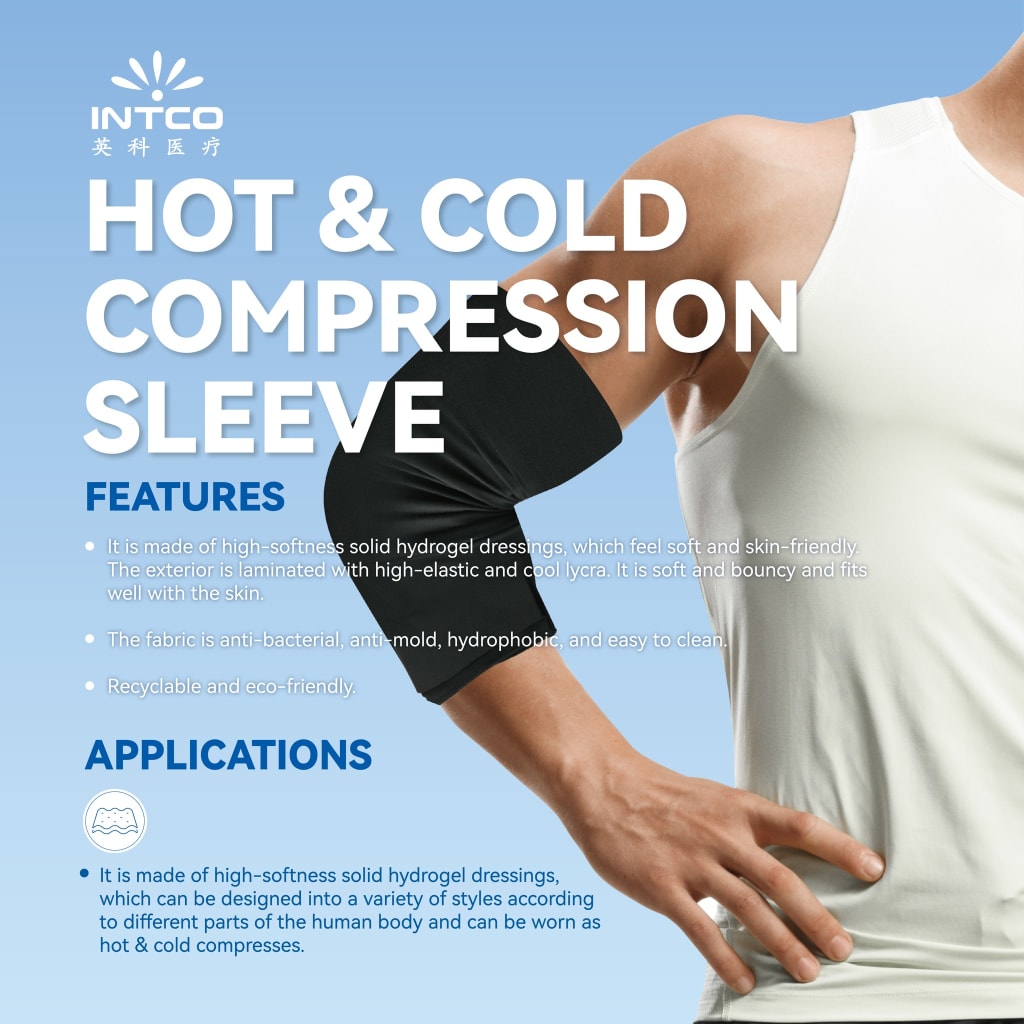
Solid gel packs are a must-have for staying active and injury-free this spring. As the world’s largest manufacturer of hot and cold therapy products, INTCO Healthcare offers two highly popular solid gel solutions: the Hot & Cold Compression Sleeve and the Migraine Relief Ice Head Wrap.
INTCO Hot & Cold Compression Sleeve: Provides 360° coverage for easy and effective pain relief on knees, elbows, or legs. Its slip-on design ensures a secure fit and maximum comfort.
INTCO Migraine Relief Ice Head Wrap: Designed for headache and migraine relief, this wrap offers gentle compression, improving comfort and effectiveness.
FAQs
How should I store solid gel packs when not in use?Store them in the freezer for cold therapy or in a cool, dry place when not needed. This keeps them in optimal condition.
Can I apply a solid gel pack directly to my skin?No, always wrap the pack in a thin cloth before use to prevent frostbite or burns.
How do solid gel packs work for hot and cold therapy?Solid gel packs contain water-based polymers that retain thermal energy. When frozen, they absorb heat from the body, reducing swelling and pain. When heated, they promote blood flow and muscle relaxation.
How long should I use a hot or cold gel pack for injury recovery?Use cold therapy for 15–20 minutes at a time to reduce swelling and pain. Apply heat therapy for 10–15 minutes to relax muscles. Always place a cloth between the pack and your skin.
What makes the INTCO Hot & Cold Compression Sleeve unique?Its 360° coverage and slip-on design offer convenience and targeted pain relief. Durable and reusable, it’s a great choice for managing joint and muscle pain effectively.
Stay safe, stay active, and let solid gel packs support your journey to better health this spring!
About the Creator
Leah Brave
yeah!! leah!!
Keep reading
More stories from Leah Brave and writers in Lifehack and other communities.
Women’s Day Special: Best Cold & Heat Therapy Products for Fast Muscle Recovery
Introduction: Celebrating Women’s Strength and Recovery As women, we wear many hats—whether it’s balancing work, family, or personal goals—but when it comes to fitness, recovery is often the most overlooked yet essential part of the equation. No matter how hard we push ourselves in the gym or during our favorite activities, without proper recovery, our bodies can’t perform at their best.
By Leah Brave11 months ago in Lifehack
The Burnout Generation: Why I’m Rejecting Hustle Culture for My Mental Health
I used to believe that grinding—24/7, no breaks, no excuses—was the only way to succeed. Coffee in one hand, deadlines in the other, my brain constantly buzzing, my chest tight, my mind refusing to rest.
By Anie Liban5 days ago in Lifehack


Comments
There are no comments for this story
Be the first to respond and start the conversation.