
Social Media and Its Impact on Our Lives: Navigating the Digital Landscape
This article delves into the impact of social media on communication, exploring how these platforms have revolutionised the way we interact and connect with others. The description highlights the shifting paradigms of communication in the digital age, examining the opportunities, challenges, and implications brought about by social media. It emphasises how social media has transformed traditional communication methods, enabling individuals to share information, express opinions, and engage with diverse communities on a global scale. The article explores the power of social media in amplifying voices and empowering marginalized communities, democratizing access to public discourse and social justice movements.

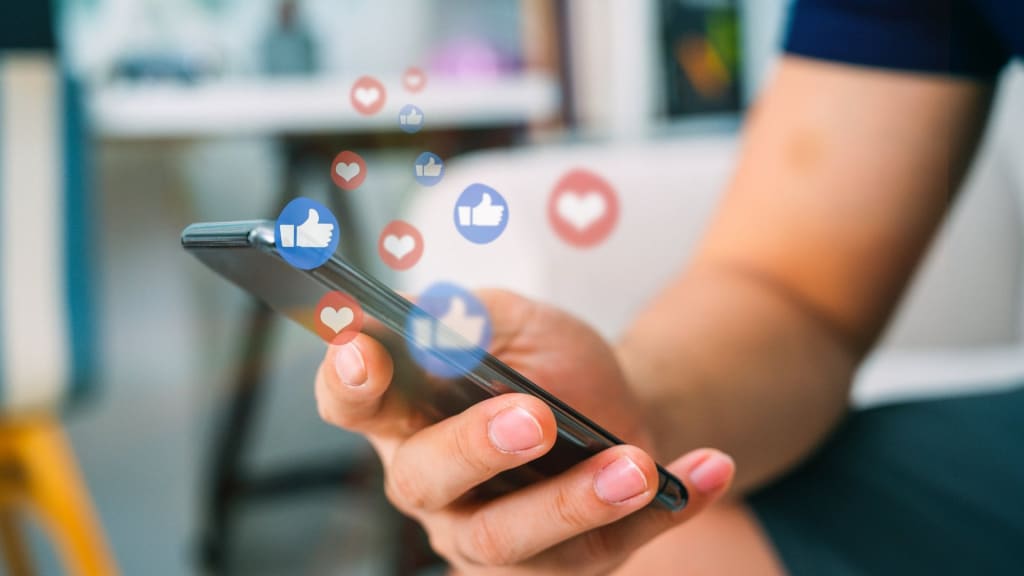
Introduction:
Social media has revolutionised the way we connect, communicate, and engage with the world. This article delves into the multifaceted influence of social media on our lives, exploring its benefits, challenges, and the need for conscious usage. By understanding the dynamics of social media and its impact, we can navigate the digital landscape in a way that enhances our well-being, fosters meaningful connections, and promotes responsible online behaviour.
The Power of Social Media:
Social media platforms have transformed the way we share information, express ourselves, and interact with others. It has opened up new avenues for communication, networking, and self-expression. Social media allows individuals to connect with diverse communities, share ideas, and engage in social causes on a global scale. It has also democratised access to information, giving voices to marginalised groups and facilitating social movements.
The Impact on Mental Health:
While social media brings many benefits, it also poses challenges to our mental health. The constant exposure to carefully curated and often idealised versions of others' lives can lead to feelings of inadequacy, anxiety, and low self-esteem. The pressure to gain validation through likes and followers can create a sense of self-worth tied to online popularity. Moreover, excessive use of social media can contribute to social isolation, sleep disturbances, and addictive behaviours.
Fostering Authentic Connections:
Amidst the noise and superficiality, social media can still facilitate meaningful connections when used consciously. By nurturing authentic interactions, fostering empathy, and engaging in constructive dialogue, social media can become a platform for building relationships, promoting social causes, and spreading positivity. It is essential to strike a balance between virtual and real-life connections, prioritising quality over quantity.
The Digital Well-being Challenge:
As social media continues to evolve, safeguarding our digital well-being becomes crucial. Setting healthy boundaries, practicing digital detox, and being mindful of our online behaviours can help maintain a healthy relationship with social media. Critical thinking and media literacy skills are essential in navigating the vast amounts of information and combating the spread of misinformation. Platforms and policymakers also have a role to play in promoting user safety, privacy, and responsible content moderation.
Social Media and the Changing Landscape of Communication:
This heading explores the transformative role of social media in reshaping the way we communicate and interact with others. It delves into the evolution of communication in the digital age, highlighting the opportunities, challenges, and implications of social media platforms.
Shifting Paradigms of Communication:
Social media has revolutionised communication, breaking down geographical barriers and connecting people from all corners of the globe. It has transformed the way we share information, express opinions, and engage with diverse communities. This heading explores the dynamic shift from traditional communication methods to the digital landscape, examining the impact of social media on interpersonal relationships, information dissemination, and public discourse.
Amplifying Voices and Empowering Communities:
Social media platforms have given individuals and marginalised communities a powerful voice. It has democratised the ability to share experiences, advocate for causes, and mobilize social movements. This section highlights the potential of social media in amplifying diverse perspectives, promoting social justice, and challenging existing power structures. It also discusses the role of social media in fostering online communities that provide support, empowerment, and a sense of belonging.
Challenges and Implications of Social Media Communication:
While social media has brought numerous benefits, it has also introduced challenges and implications for communication. This section explores issues such as information overload, echo chambers, the spread of misinformation, and the erosion of privacy. It raises awareness about the importance of critical thinking, media literacy, and responsible online behaviour to navigate these challenges effectively.
The Role of Social Media in Public Discourse:
Social media has become an influential platform for public discourse, shaping discussions on social, political, and cultural issues. It examines the impact of social media on public opinion, the role of influencers and social media personalities, and the power dynamics within online conversations. This section also emphasises the need for constructive dialogue, respectful engagement, and fact-based discussions to promote informed public discourse in the digital space
Cultivating Responsible Digital Citizenship :
Being a responsible digital citizen means using social media in an ethical and mindful manner. It involves respecting others' privacy, treating online interactions with kindness and empathy, and being aware of the potential impact of our online presence. Promoting positive online behaviour, combating cyberbullying, and being vigilant against online threats are essential aspects of responsible digital citizenship.
Conclusion:
Social media has become an integral part of our lives, shaping our connections, information consumption, and self-perception. It brings both opportunities and challenges. By understanding its impact, being mindful of our usage, and cultivating responsible digital citizenship, we can harness the power of social media for personal growth, meaningful connections, and positive social change. Ultimately, the key lies in finding a balance between the virtual and real world, prioritising our well-being, and using social media as a tool for empowerment and connection.
About the Creator
A Parent’s Guide to Fun Kids Birthday Parties in Philadelphia
Planning a birthday party for your child is always exciting, but it can also feel overwhelming for many parents. Every parent wants to create a memorable celebration that is fun, safe, and enjoyable for both children and guests. From choosing the right theme to organizing activities and food, there are several details to consider when preparing for a birthday celebration.
By Sophie Blogs2 days ago in Lifehack
The Day Everything Changed
Most days in life pass quietly, almost unnoticed. People wake up, follow their routines, go to work or school, meet friends, and return home. Nothing unusual happens, and by the next week many of those days are forgotten. But sometimes, without warning, one single day appears that changes everything. It becomes a dividing line in life — the moment when the past and the future suddenly look different.
By Irshad Abbasi 2 days ago in Lifehack


Comments
There are no comments for this story
Be the first to respond and start the conversation.