
Skin Cancer – Why Does Skin Cancer Happen? Causes, Symptoms, and Treatment
How Is Skin Cancer Treated?

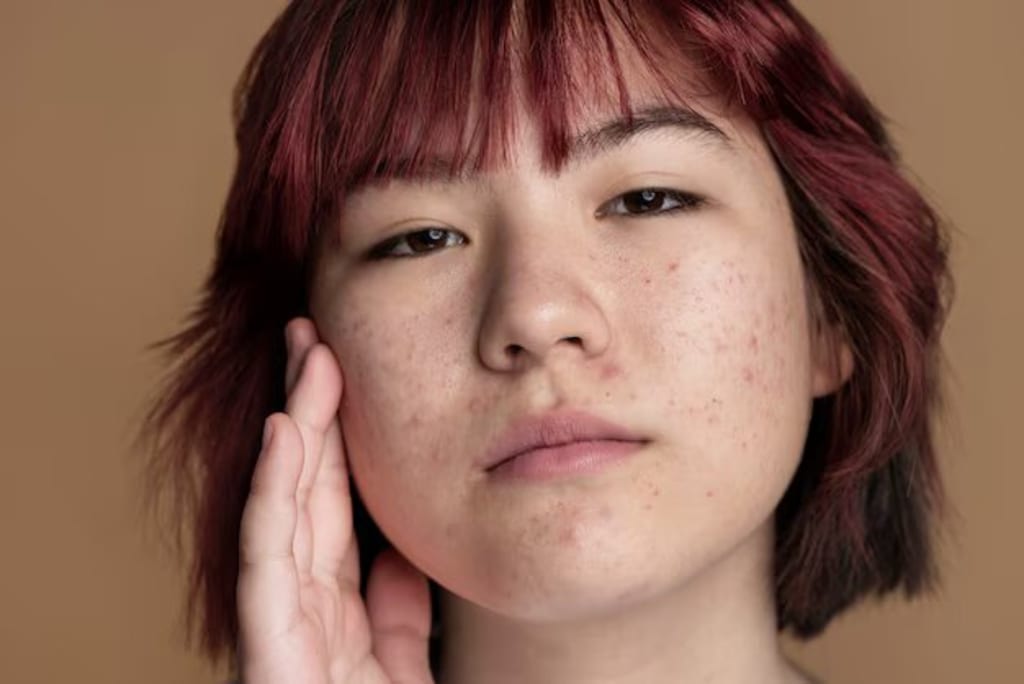
Skin cancer is one of the most common forms of cancer worldwide. It occurs when skin cells begin to grow uncontrollably due to damage from the sun's ultraviolet (UV) rays or other harmful factors. Understanding why skin cancer happens, recognizing skin cancer symptoms, and knowing how it's treated can help you detect and manage the disease early.
Causes of Skin Cancer
The primary cause of skin cancer is prolonged exposure to UV radiation from the sun or tanning beds. UV rays can damage the DNA in skin cells, leading to abnormal growth and, ultimately, cancer. Other risk factors include:
- Family History: If someone in your family has had skin cancer, your risk increases.
- Fair Skin: Individuals with light skin, light hair, or light-colored eyes have less melanin, which protects against UV rays.
- Age: Skin cancer is more common in older adults, although it can affect people of all ages.
- History of Sunburns: Severe sunburns, especially in childhood, increase the risk of skin cancer.
- Exposure to Chemicals: Some chemicals, like arsenic, can also cause skin cancer.
Types of Skin Cancer
There are several types of skin cancer, but the most common ones include:
- Basal Cell Carcinoma (BCC): This is the most common type of skin cancer. It usually develops on areas of the skin frequently exposed to the sun, such as the face, neck, and hands. BCC grows slowly and rarely spreads to other parts of the body.
- Squamous Cell Carcinoma (SCC): SCC is the second most common skin cancer type. It also occurs on sun-exposed areas and can grow more aggressively than BCC. While it’s more likely to spread, early treatment often leads to a complete cure.
- Melanoma: This is the most dangerous form of skin cancer. It starts in the melanocytes, the cells that give skin its color. Melanoma can appear anywhere on the body, not just in sun-exposed areas. If not treated early, it can spread to other organs, making it more difficult to treat.
Symptoms of Skin Cancer
Recognizing skin cancer symptoms early is crucial for effective treatment. Here are some common signs:
- Changes in the skin: Any new growth or sore that doesn’t heal could be a sign of skin cancer.
- Moles: If a mole changes in size, shape, or color, it’s important to get it checked by a dermatologist. Checking moles for cancer is crucial, as melanomas often look like irregularly shaped moles.
- Lesions: BCC may appear as a pearly bump or flat, scaly patch, while SCC often presents as a firm red nodule or flat lesion with a scaly surface.
- Itching or Bleeding: Any persistent itching, tenderness, or bleeding in a particular area of the skin could be a symptom of skin cancer.
Early Stage Skin Cancer
Early stage skin cancer is the easiest to treat, especially when caught before it spreads. Regular self-checks and dermatologist visits are vital to catch any suspicious spots or moles in their early stages.
Early Stage Symptoms:
- Small, shiny, or translucent bumps.
- Flat, scaly patches that grow larger over time.
- Changes in moles that include asymmetry, irregular borders, or variations in color.
Detecting early stage skin cancer gives you the best chance for successful treatment.
How Is Skin Cancer Treated?
When it comes to treatment, the method depends on the type and stage of the skin cancer. The goal is to remove cancer completely and prevent it from returning. Here are common treatment methods:
- Surgery: Most skin cancers are treated by surgically removing the tumor. The type of surgery depends on the size and location of the cancer. For small early stage skin cancer, simple excision or Mohs surgery (where layers of skin are removed and examined until no cancer cells remain) is commonly used.
- Cryotherapy: This method involves freezing the cancer cells with liquid nitrogen, which is effective for small or superficial cancers.
- Radiation Therapy: Radiation may be used if the cancer is too large to remove surgically, or if surgery isn’t an option. This is more common in advanced stages of skin cancer.
- Topical Treatments: Some early-stage or superficial skin cancer types can be treated with creams or gels that contain anti-cancer drugs. These treatments are usually used for small cancers or pre-cancerous conditions.
- Chemotherapy: While chemotherapy is rare for skin cancer, it may be used in cases where cancer has spread to other parts of the body.
- Immunotherapy: Newer treatments like immunotherapy help the body’s immune system fight off cancer cells. This treatment is often used for advanced melanoma.
Preventing Skin Cancer
The best way to prevent skin cancer is to limit your exposure to UV rays. Here are some practical tips:
- Wear Sunscreen: Apply sunscreen with at least SPF 30 every day, even on cloudy days.
- Stay in the Shade: Avoid the sun between 10 a.m. and 4 p.m. when UV rays are the strongest.
- Wear Protective Clothing: Cover your skin with long-sleeved shirts, wide-brimmed hats, and sunglasses.
- Avoid Tanning Beds: These devices emit harmful UV radiation that increases your risk of skin cancer.
Conclusion
Skin cancer is a serious but highly preventable disease. By understanding the types of skin cancer, recognizing skin cancer symptoms, and knowing how skin cancer is treated, you can take proactive steps to protect your skin. Regular self-examinations and early detection are key to ensuring the best outcomes for anyone at risk of developing skin cancer. Stay informed, protect your skin, and seek medical advice if you notice any changes.
For more information about skin cancer symptoms and treatment options, visit Skin Cancer Centres.
Stay proactive about your skin health!
About the Creator
National Skin Cancer Centres
At our skin cancer clinic in Melbourne, Berwick Skin Cancer Centre, we provide a comprehensive approach to looking after your skin health.
Keep reading
More stories from National Skin Cancer Centres and writers in Lifehack and other communities.
How Can Devonport Skin Clinic Help with Acne Scars?
Acne scars can be a persistent reminder of the breakouts that once troubled your skin, leaving you feeling self-conscious and frustrated. While acne itself can be challenging to deal with, the scars it leaves behind can be even more difficult to treat. Fortunately, Devonport Skin Clinic offers a range of effective treatments designed to help you achieve smoother, clearer skin, restoring your confidence and giving you the fresh start you deserve.
By National Skin Cancer Centresabout a year ago in Lifehack
Smartphones Are Powerful Enough
For more than a decade, smartphones have followed a predictable trajectory: higher power, sharper images, and speedier internet. On paper, today’s technologies are substantially superior to those from even five years ago. Yet surveys, user forums, and daily encounters suggest a different image. Satisfaction hasn’t grown at the same pace as capacity.
By abualyaanartabout 15 hours ago in Lifehack
The Devil's Cut
“Comrade, finally you’re awake.” The voice was smooth, sensual. A flickering incandescent bar was all that lit the white, sterile room. All Vladimir remembered was everything going black. He tried to move his arms and found them strapped to the gurney.
By Matthew J. Fromm7 days ago in Fiction


Comments
There are no comments for this story
Be the first to respond and start the conversation.