
Signs You’re Using a Bad Posture Corrector
Spotting a Bad Posture Corrector and Choosing the Right One
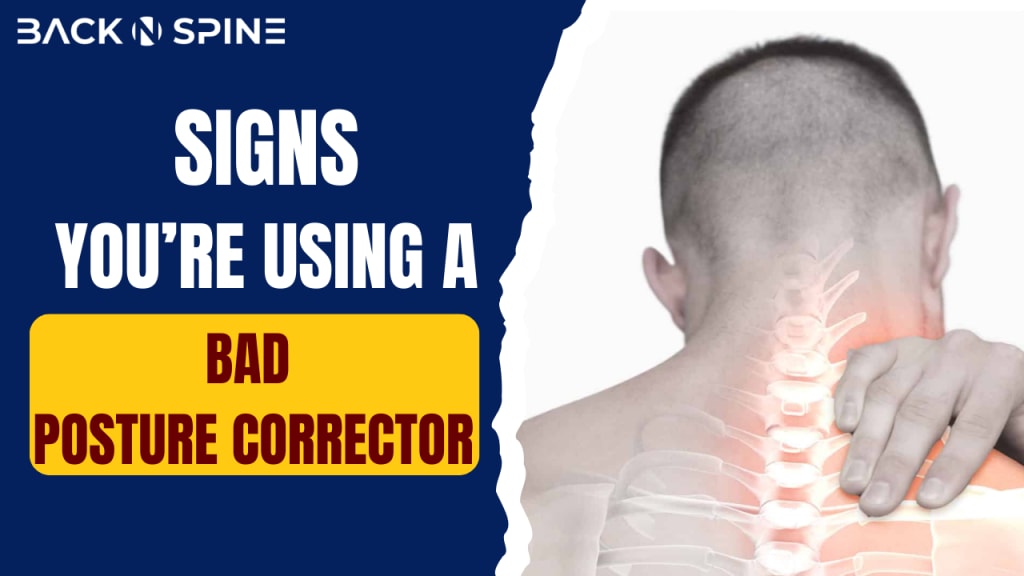
Maintaining good posture is essential for overall health, as it supports spinal alignment, reduces strain, and improves confidence. A posture corrector can help, but not all devices deliver expected results.
Many people buy posture correctors without realizing they’re using a poorly designed product. A bad posture corrector can cause discomfort, dependency, or worsen posture, so recognizing warning signs ensures safe, effective support.
Why Posture Correctors Matter
Good posture impacts more than just appearance—it supports breathing, circulation, and energy while reducing tension in the neck, shoulders, and back. Poor posture can cause stiffness, headaches, chronic pain, and long-term spinal issues.
Many people ask, “Are posture correctors good?” Posture correctors aim to help maintain proper alignment during long periods of sitting, commuting, or device use.
However, not every device works effectively. Recognizing a bad posture corrector prevents pain, dependency, and worsening posture, ensuring safe and beneficial use.
Sign 1: Constant Discomfort or Pain

A well-designed posture corrector should provide gentle support without causing pain. Pinching, chafing, or sharp discomfort signals a problem, often due to tight straps, poor fit, or low-quality materials.
Persistent pain reduces effectiveness and may increase tension by forcing muscles into unnatural positions. A bad posture corrector can create long-term discomfort rather than improving alignment. Experiencing ongoing pain is a clear sign the device isn’t working.
Sign 2: No Improvement in Posture

The main goal of a posture corrector is to retrain muscles for proper alignment. If posture remains unchanged after weeks of use, the device may be ineffective.
Poor-quality correctors often fail to support the shoulders or spine adequately. A bad posture corrector may temporarily hold you in place without promoting long-term muscle training. Lack of improvement signals the need for a better-designed device.
Sign 3: Over-Reliance or Muscle Weakness

Posture correctors should complement, not replace, healthy habits. Feeling unable to maintain posture without the device indicates dependency, which can weaken core and back muscles over time.
High-quality correctors encourage awareness while strengthening muscles. Using a bad posture corrector can worsen posture issues. Balance device use with exercises that support spinal stability to maintain strength even when the device isn’t worn.
Additional Signs of a Bad Posture Corrector
Some bad posture correctors may have stiff, uncomfortable materials or a non-adjustable design that doesn’t accommodate different body types. Others may dig into your skin, create pressure points, or make it difficult to breathe freely.
If you notice persistent irritation, redness, or restricted movement, it’s likely a bad posture corrector. Even if it looks supportive, a device that sacrifices comfort for appearance can undermine posture correction.
Other indicators include flimsy straps, poor stitching, or a design that fails to hold your shoulders or spine properly. Devices lacking physiotherapy approval or ergonomic research are often bad posture correctors, offering limited health benefits and potentially worsening alignment issues.
How to Choose a Good Posture Corrector

To avoid these problems, look for the following features when selecting a posture corrector:
- Adjustable Fit: Customizable straps ensure proper alignment without discomfort.
- Breathable, Lightweight Materials: Prevent irritation during extended wear.
- Ergonomic Design: Supports the natural curve of your spine and shoulders.
- Muscle Training Support: Encourages long-term posture improvement rather than just temporary positioning.
- Expert Endorsement: Devices approved or recommended by physiotherapists often provide safer, more effective results.
Choosing a high-quality corrector reduces the risk of selecting a bad posture corrector. Investing in a trusted device ensures comfort, safety, and results.
Introducing Back N Spine Back Hero Posture Corrector

For those seeking a reliable option, the Back N Spine Back Hero Posture Corrector combines professional design with comfort and proven results. It’s engineered to support proper alignment, relieve tension, and retrain muscles safely.
Using a trusted device like Back Hero prevents the negative effects of a bad posture corrector, such as pain, dependency, or worsened alignment.
Key Benefits
- Instant Upright & Confident Posture: Stand taller immediately.
- Eases Back, Neck, and Shoulder Tension: Reduces stress on key pressure points.
- Trains Muscles for Long-Term Alignment: Encourages lasting posture improvement.
- Prevents Slouching & Enhances Height Appearance: Promotes a naturally upright stance.
- Soft, Breathable & Skin-Friendly: Comfortable for all-day wear.
- Trusted by Physiotherapy Experts: Designed and endorsed for safe use.
Comfort & Fit
Lightweight, breathable materials prevent irritation, while adjustable straps provide a secure, personalized fit. The slim design fits comfortably under clothing, making it suitable for home, office, or travel.
Choosing a device like Back Hero ensures you avoid the common pitfalls of a bad posture corrector.
Pain Relief & Muscle Training
The Back Hero reduces back, neck, and shoulder tension immediately. Over time, consistent use retrains muscles, restores flexibility, and prevents future strain. This helps you recover after long commutes or workouts, something a bad posture corrector often cannot provide.
Tips for Safe Posture Corrector Use
Even the best device requires proper use. To maximize benefits:
- Start with 20–30 minutes daily, gradually increasing wear time.
- Pair with back and core exercises to strengthen muscles naturally.
- Take regular movement breaks during long sitting periods.
- Choose a posture corrector that fits well and feels comfortable.
Following these tips ensures your posture improves safely and prevents the risk of relying on a bad posture corrector.
Conclusion
Using a posture corrector can be highly effective—but only if chosen wisely. Signs like discomfort, lack of improvement, or muscle dependency indicate a bad posture corrector.
The Back Hero: Back N Spine Posture Corrector combines expert-backed design and comfort. It safely improves posture, reduces pain, and promotes lasting spinal health and confidence, avoiding issues commonly caused by a bad posture corrector.
FAQs
How do I know if I’m using a bad posture corrector?
Signs include constant pain, no posture improvement, poor fit, restricted movement, or straps causing discomfort and dependency.
Can a bad posture corrector worsen posture?
Yes, it can strain muscles, create dependency, and force improper alignment, counteracting the benefits of healthy posture support.
How long should I wear a posture corrector daily?
Start with 20–30 minutes, gradually increasing while pairing with core exercises. Overuse can turn any device into a bad posture corrector.
What features prevent a posture corrector from being bad?
Adjustable fit, breathable materials, ergonomic support, and expert endorsement reduce the risk of using a bad posture corrector.
Are posture correctors safe for everyone?
When used properly, with exercise, and in moderation, posture correctors are safe. Avoid low-quality devices, which are often a bad posture corrector.
About the Creator
Keep reading
More stories from Olivia Kim and writers in Lifehack and other communities.
The Ultimate Guide to the Best Housewarming Gifts
Moving into a new home is an important milestone, and selecting the perfect housewarming gift can make the experience more memorable. Thoughtful gifts help friends, family, or colleagues feel welcomed and supported in their new space.
By Olivia Kim5 months ago in Lifehack
Energy Sources Preppers Should Look Into
Preppers debate alternative energy sources. There is always going to be a debate over which one is best, as it depends on the specific needs of the prepper and the environment they are in: You need to look at what you have available when deciding on which energy source is the best for you. However, don’t be trapped by a false binary situation: You can select multiple energy sources, depending on your environment and financial situation. Also, bear in mind that, if you want to be completely self-sufficient, then there is a learning curve as you will need to learn how the technology works.
By Jamais Jochim6 days ago in Lifehack
Why Engagement Matters More Than Reach
Reach looks impressive on a dashboard. A post appears on thousands of screens and the number feels like progress. Many creators celebrate that spike, especially when they are building Instagram side income. Yet income rarely follows reach alone. What actually drives earnings on small niche accounts is engagement.
By Nina Rafferty4 days ago in Lifehack




Comments
There are no comments for this story
Be the first to respond and start the conversation.