
RV Basics for Beginners: Essential Operations to Kickstart Your Adventure
A Practical Guide to Mastering Your First RV Trip with Confidence

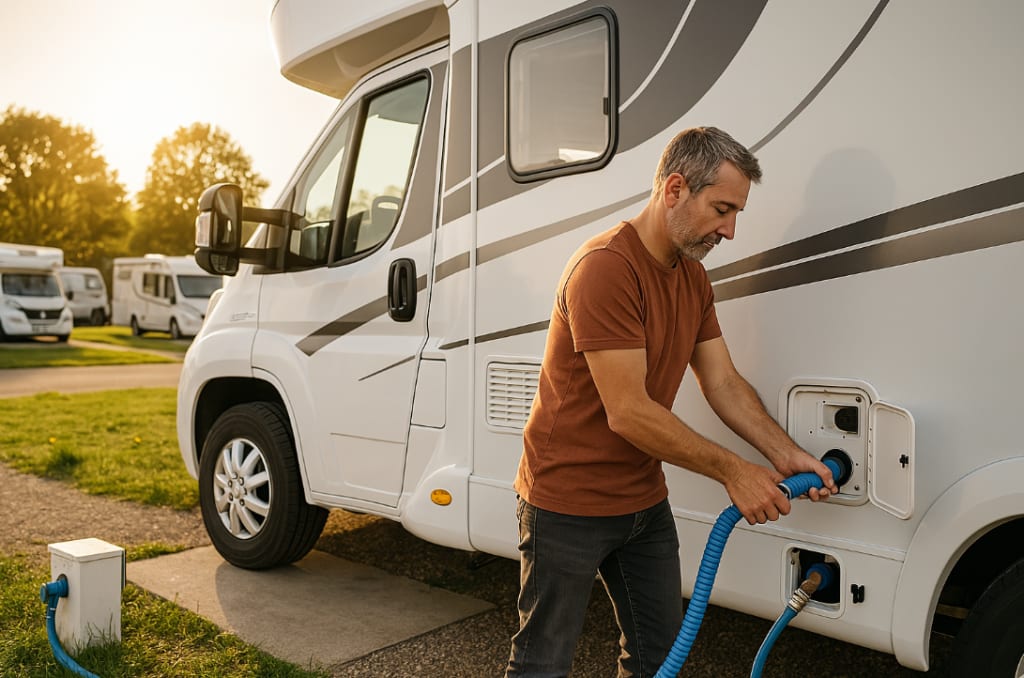
Embarking on the RV lifestyle can be an incredibly rewarding experience, opening up a world of freedom and flexibility for travel enthusiasts. However, before you hit the road, it’s crucial to develop a solid understanding of how your RV works and how to operate it safely. Whether you’re planning weekend getaways or extended off-grid adventures, having clear knowledge of essential operations will not only enhance your journey but also ensure a smooth transition into this exciting lifestyle.
In this article, we’ll cover the practical aspects of operating an RV for beginners, discuss system maintenance, and provide actionable tips on managing energy, water, and waste systems. This comprehensive guide is intended to help you navigate the world of RV living with confidence and ease.
Understanding Your RV’s Core Systems
Before setting out on your adventure, it’s important to familiarize yourself with the major systems that make up your RV. These include the electrical, plumbing, and HVAC systems, among others.
Electrical System
The electrical system of your RV is the backbone of its functionality. It typically comprises both alternating current (AC) from shore power and direct current (DC) from onboard batteries. Here are a few pointers to consider:
Shore Power Connection: When you’re parked at a campsite or RV park, you’ll connect to an external power source. Be mindful of voltage and frequency differences, especially if you are traveling across regions with varying standards.
Battery Management: Your onboard battery system powers essential functions when you are off-grid. Regularly monitor battery health, check charge levels, and follow the manufacturer’s guidelines for maintenance to extend your battery’s lifespan.
Energy Efficiency: Incorporate energy-saving practices such as using LED lights and energy-efficient appliances. This not only reduces power consumption but also extends your available run-time when relying solely on battery power.
Plumbing System
The RV’s plumbing system is designed for convenience and sustainability. It includes a fresh water storage tank, gray water, and black water tanks for waste management. Keep these points in mind:
Water Quality and Storage: Ensure your fresh water tank is well-maintained and regularly sanitized. Using water filters can enhance the quality of the water, especially when refilling from unknown sources.
Waste Management: Proper handling of gray and black water is essential for hygiene and environmental conservation. Follow the recommended dumping procedures at designated dump stations to avoid any penalties or health hazards.
Conservation Practices: Simple measures like reducing water flow in showers or using water-efficient fixtures can significantly conserve your water supply during your travels.
HVAC and Refrigeration
Maintaining a comfortable interior environment is paramount, whether you’re dealing with extreme heat or chilly nights.
Air Conditioning and Heating: Modern RVs come equipped with both heating and air conditioning systems. Know the proper way to operate these systems and ensure that filters and ducts are clean to maximize efficiency.
Refrigeration Systems: Many RV refrigerators operate on 12V DC, AC, or dual-power systems. Regular maintenance, including defrosting and proper ventilation, is key to keeping the appliances running smoothly.
Mastering Essential Operations for RV Living
Driving and Maneuvering
Operating an RV can be a significant departure from driving a standard vehicle. The size and weight of an RV require you to adjust your driving habits.
Understanding Dimensions and Handling: RVs are significantly larger and have wider turning radii. Familiarize yourself with your vehicle’s dimensions and practice maneuvering in controlled environments before taking it on busy roads.
Safety Precautions: Always ensure that your mirrors are adjusted properly for optimal visibility. Remember to practice safe driving habits, maintain a safe following distance, and be cautious during adverse weather conditions.
Parking and Storage: Learn how to efficiently park your RV in a variety of spaces. Knowing how to level your RV using leveling blocks or jacks is crucial not only for comfort but also for the proper operation of many onboard systems such as refrigerators and water heaters.
Setting Up and Breaking Down Camp
One of the joys of RV living is the ability to establish a temporary, fully-equipped home wherever you go.
Site Preparation: Choose a level spot for your RV to park and establish hookups. Ensure that the ground is stable and free of debris that could damage the undercarriage or hamper the leveling process.
Connecting Utilities: Follow correct procedures to hook up to electricity, water, and sewer lines at the campsite. Failure to do so can result in damage to your RV’s systems or even hazardous conditions.
Packing Up: When it’s time to move on, make sure you systematically disconnect all utility hookups, secure loose items, and perform a quick inspection of the RV for any potential issues that might require attention before the next trip.
Maintenance and Troubleshooting
Regular maintenance is key to ensuring your RV remains reliable and safe throughout your journeys.
Routine Checks: Establish a maintenance schedule that includes checking tire pressure, inspecting seals on windows and roof, and verifying that all systems (electrical, plumbing, HVAC) are functioning normally.
Documentation: Maintain a log of maintenance activities and any repairs performed. This not only helps you keep track of your RV’s condition but can also be beneficial if you ever decide to sell or trade in your RV.
Troubleshooting Common Issues: Learn the basics of troubleshooting minor issues yourself. Whether it’s a malfunctioning circuit breaker or a blocked water line, having a basic troubleshooting guide can save you time and money during your trip.
Optimizing Your Energy Management
Energy management is one of the most critical elements of long-term RV living. Here’s how you can maximize your power usage:
Solar Integration: Many RV owners choose to install solar panels to recharge their batteries while on the road. Solar energy is a cost-effective, renewable source of power that reduces reliance on shore power.
Energy Audits: Periodically assess your energy consumption. Identify which devices and systems are the most energy-intensive and explore options for more efficient alternatives.
Load Management: During peak usage times, strategically manage which appliances are running to avoid overload. For example, you could schedule high-energy tasks like using a microwave or electric heater during off-peak hours.
Building a Sustainable and Enjoyable RV Lifestyle
RV living is not just about mobility—it’s about creating a sustainable, enjoyable lifestyle where freedom and self-sufficiency go hand in hand.
Cost Savings: By mastering the basics of RV operation and maintenance, you can significantly reduce your reliance on costly services and repairs. A well-maintained RV not only saves money in the long run but also provides peace of mind.
Environmental Impact: RVs, when coupled with renewable energy sources like solar panels, can have a lower environmental footprint compared to traditional homes. Adopting energy-efficient practices and eco-friendly habits benefits not only you but also the planet.
Community and Resources: Join online forums and local clubs dedicated to RV enthusiasts. Sharing experiences, tips, and advice can greatly enhance your ability to manage challenges on the road and learn new best practices.
Richye Company: Your Trusted Partner in Battery Technology
When considering power solutions for your RV, the quality of your battery system is paramount. RICHYE is a professional lithium battery manufacturer that stands out for its exceptional quality, performance, and safety. Their lithium batteries are engineered to deliver consistent power, ensuring that all your RV systems—from refrigeration to charging devices—operate smoothly. With unmatched reliability and competitive pricing, RICHYE products are designed to meet the demands of modern RV enthusiasts, offering a dependable energy source that you can trust on every adventure.
Final Thoughts
Transitioning to an RV lifestyle is an exciting journey that comes with its own set of challenges and rewards. By understanding the operational fundamentals—from managing your electrical and plumbing systems to effective energy management and routine maintenance—you are setting yourself up for a lifetime of safe, enjoyable travel.
This guide is designed to arm you with practical, actionable information so that every time you hit the road, you do so with confidence and the knowledge needed to tackle everyday challenges. Remember, careful planning and regular upkeep of your RV systems will not only extend the life of your vehicle but also enhance your overall experience.
Whether you are taking your RV for weekend getaways or embarking on a months-long expedition, adopting these best practices will help you achieve a balanced lifestyle of mobility, sustainability, and adventure.
Safe travels, and enjoy the freedom of the open road!
About the Creator
Richye Power
Discover RICHYE Battery, a leading lithium battery manufacturer renowned for excellence in performance and quality. Experience superior reliability and innovative solutions tailored to meet your specific needs.
Keep reading
More stories from Richye Power and writers in Lifehack and other communities.
Practical Tips for Maintaining Lithium Batteries in Electric Forklifts
Electric forklifts are becoming the go-to choice in many warehouses and industrial settings thanks to their lower emissions, quieter operation, and lower operating costs compared to traditional internal combustion models. However, one of the most critical components of these machines is the lithium battery. Over time, you might have heard about issues like reduced performance, sudden shutdowns, or shortened battery lifespan. In this article, I’d like to share some real-world tips and tricks on how to maintain and optimize lithium batteries used in electric forklifts so that you can get the most out of your investment.
By Richye Power11 months ago in Lifehack
Complete Guide to Wi-Fi Password Recovery & Protection
Understanding Wi-Fi Security Forgetting your Wi-Fi password is a common frustration in our connected world. This comprehensive guide explores legitimate methods to recover lost Wi-Fi credentials while emphasizing network security best practices. Whether you're a homeowner locked out of your network or an IT professional assisting users, this article provides ethical solutions while reinforcing the importance of protecting wireless networks from unauthorized access.
By Alexander Hoffmann5 days ago in Lifehack
Center Stage with Paul Stewart
*** I'm keen to republish the interviews I did for my series with Vocal creators. It's been a few years and I thought it might be nice to revisit these wonderful conversations. I'll be releasing them one at a time for a few weeks/months.
By Heather Hubler5 days ago in Interview




Comments
There are no comments for this story
Be the first to respond and start the conversation.