
Right-Sided Chest Pain: Causes, Severity, and When to Seek Medical Attention
Right-Sided Chest Pain

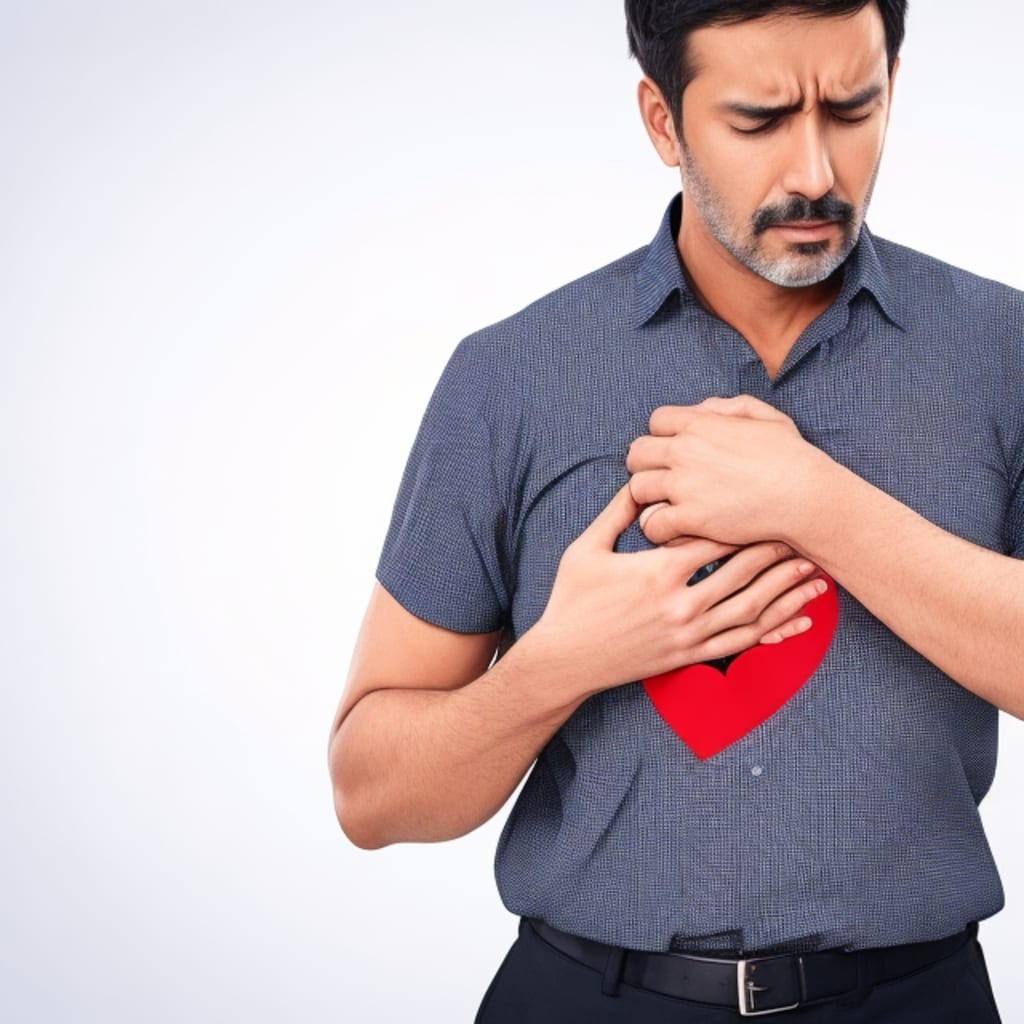
Right-Sided Chest Pain: Causes, Severity, and When to Seek Medical Attention
Experiencing chest pain can be alarming, as the chest houses vital organs such as the heart and lungs. While left-sided chest pain is often associated with a heart attack, it is important not to overlook right-sided chest pain. This article aims to provide a comprehensive understanding of the causes, severity, and when to seek medical attention for right-sided chest pain.
I. Causes of Right-Sided Chest Pain
Right-sided chest pain can stem from various medical conditions, ranging from mild to life-threatening. Understanding the potential causes is crucial. Common factors include:
Musculoskeletal Issues:
a. Pulled muscles in the chest or back
b. Broken ribs
c. Shingles
Digestive Disorders:
a. Acid reflux leading to radiating pain into the right side of the chest
Serious Cardiovascular and Pulmonary Conditions:
a. Pulmonary embolism
b. Esophagus spasms
c. Pneumonia
d. Aortic dissection
e. Atrial fibrillation
f. Heart failure
It is worth noting that while some conditions may not be life-threatening, all instances of chest pain should be taken seriously, irrespective of the affected side.
II. Evaluating the Severity of Chest Pain
Assessing the severity of chest pain is crucial for determining the urgency of medical attention. Key factors to consider include:
Exertional Worsening:
Chest pain that intensifies during physical activity may indicate a potentially serious issue.
Associated Symptoms:
Shortness of breath accompanying chest pain should prompt immediate medical evaluation.
New-onset pain accompanied by symptoms such as sweating, nausea, or lightheadedness may signify a more serious condition.
Personal Risk Factors:
Knowledge of personal and family health history, especially regarding heart attacks or cardiovascular problems, is important in evaluating the significance of chest pain.
Discussing these risk factors with a healthcare provider can provide valuable insights.
III. Right-Sided Chest Pain and Heart Attacks
While heart attack pain is typically associated with the left side of the chest, it is possible to experience it on the right side as well. However, if the pain is solely localized to the right side and is distinct, it is less likely to be attributed to a heart attack.
IV. Recognizing Seriousness: When to Contact a Doctor
Determining when to seek medical assistance for right-sided chest pain is crucial. The following guidelines can help make informed decisions:
Muscular Pain without Other Symptoms:
If the pain feels muscular and is not accompanied by other symptoms, contacting a doctor to schedule an appointment for further evaluation is advisable.
Uncertainty or Concern:
When in doubt, it is recommended to visit an emergency healthcare facility to ensure timely evaluation and potential life-saving treatment.
Trusting Your Instincts:
Dismissing chest pain without proper medical assessment based on assumptions, such as attributing it to muscle strain or indigestion, can be risky.
Chest pain can indicate both innocent and life-threatening conditions, so it is crucial to prioritize seeking medical attention.
V. Importance of Family Health History and Personal Risk Factors
Understanding your family health history and personal risk factors is essential for evaluating chest pain. Assessing pain based solely on its physical location is not sufficient. Consider the following factors:
Clinical Risk Factors:
Consider personal risk factors, including family health history, and discuss them with a healthcare provider to better evaluate the significance of chest pain.
Behavioral and Progressive Patterns:
Pay attention to the behavior and progression of the pain, along with associated symptoms, as these can provide valuable insights into the severity of the condition.
Right-sided chest pain should never be ignored, as it can stem from various medical conditions, ranging from benign to life-threatening. Understanding the severity of the pain, associated symptoms, and personal risk factors is crucial in determining the need for medical evaluation. If you are uncertain or unsure, it is advisable to prioritize caution and promptly seek medical attention. Trusting your instincts and prioritizing your health can help ensure timely intervention when it comes to chest pain.
About the Creator
Keep reading
More stories from Erin Smith and writers in Lifehack and other communities.
The Surprising Side Effects of Almonds: Understanding the Risks of Overconsumption
Almonds have become a staple in modern diets, praised for their nutrient-packed profile and versatility. These golden-brown nuts are brimming with essential vitamins, minerals, and healthy fats that offer a range of health benefits. However, while almonds are generally considered a healthy snack, it's crucial to consume them in moderation to avoid potential side effects. In this article, we will explore the unexpected and unpleasant effects of overconsuming almonds and provide guidance on the optimal daily intake for maximum health benefits. Let's delve into the world of almonds and uncover the truth about their potential risks.
By Erin Smith3 years ago in Lifehack
How to Stop Procrastinating (Scientifically Proven Method That Works)
There’s a moment most people don’t talk about. You sit down with every intention to start. The task is open in front of you. The deadline is real. And yet, something inside you quietly says, not now. You reach for your phone. You reorganize your desk. You tell yourself you’ll begin once you feel ready. Minutes turn into hours. By the end of the day, the guilt is heavier than the work ever was.
By Liam Osuos2 days ago in Lifehack
The dog everyone ignored became the reason I’m still alive.
No one noticed him at first. He crouched in the far corner of the shelter, half-hidden behind a metal food bowl, watching people walk past his cage as if he weren’t there. Families stopped to look at the dog with bright eyes and wagging tail. Volunteers smiled and laughed at the dogs who barked loudly for attention.
By Paw Planet 2 days ago in Lifehack
Affection and Healing for Yourself
During the night of the last quarter moon, I gathered my ritual supplies. I carefully handled the chunk of black tourmaline that would protect me from your overall negative and narcissistic energy. I carefully walked the house with my stick of selenite in hand, asking the universe to cleanse our working space.
By Alisha Wilkins ✒️🦋🖋️5 days ago in Fiction


Comments
There are no comments for this story
Be the first to respond and start the conversation.