
Recovery Tips for a Smooth Wisdom Tooth Extraction Healing Process
Practical Steps to Reduce Pain, Swelling, and Speed Up Healing


One of the most used surgeries in the field of dentistry is a wisdom tooth extraction, and the choice you make after the surgery is strongly dependent on the speed and comfort of your recovery. Good aftercare can mean the difference between a smooth recovery and unnecessary complications such as infection, dry socket, or prolonged pain.
With the right approach, you can help your body heal efficiently and get back to your daily routine sooner.
The First 24 Hours: Setting the Foundation
The first day after surgery is the most important part of recovery. Here’s what you should do:
- Bite on Gauze: Keep gentle but firm pressure on the gauze your dentist places over the extraction site for the first 30–60 minutes to control bleeding. Replace it as instructed until bleeding stops.
- Apply Ice Packs: Use an ice pack on your cheek for 15 minutes on and 15 minutes off to keep swelling under control.
- Rest and Take It Easy: Skip strenuous activities and allow your body to focus on healing. Keep your head raised using pillows to reduce swelling.
- Stick to Soft Foods: Go for mashed potatoes, yogurt, smoothies, or soup that’s lukewarm. Avoid chewing near the extraction site.
- Avoid Straws: Sucking will loosen the clot of blood that has formed in the socket, causing a dry socket and much pain.
Pain and Swelling Management
Some level of pain and swelling is completely normal, particularly during the first two days. Here’s how to manage it effectively:
- Take prescribed painkillers or recommended over-the-counter medicine as directed.
- Use ice packs initially, then change to warm compresses after 48 hours to promote circulation of blood and accelerate healing.
- Keep your head slightly elevated, even while sleeping, to reduce throbbing and pressure.
- Be patient—swelling usually peaks around day two and gradually goes down after that.
Keeping the Area Clean
Maintaining good oral hygiene during recovery is critical, but you must be gentle:
- Do not rinse your mouth during the first 24 hours.
- After the first day, rinse gently with warm salt water several times a day, especially after eating, to keep the area clean.
- Clean your teeth with a brush, not touching the surgical area.
- Skip commercial mouthwashes containing alcohol, as they may irritate the area.
Diet for Faster Healing
Nutrition plays a significant role in recovery. Focus on:
- Soft, nutrient-rich foods: Scrambled eggs, oatmeal, smoothies, protein shakes, and applesauce.
- Hydration: Drink plenty of water to stay hydrated and promote healing. Avoid alcohol, soda, and caffeinated beverages for a few days.
- Avoid crunchy, spicy, or hot foods: These can irritate the extraction site or dislodge the clot.
What to Avoid During Recovery
To prevent complications, stay away from:
- Smoking or vaping, which slows healing and raises the risk of dry socket
- Vigorous physical activity or heavy lifting at least 3-5 days.
- Touching the area with your tongue, fingers, or objects
- Hot tubs or saunas in the first few days, as heat can worsen swelling
Emotional Recovery and Comfort
Wisdom tooth removal can feel stressful, and it’s normal to feel anxious about recovery. Taking a day or two to focus on rest, watch a favourite show, or read a book can help distract you from discomfort.
Gentle self-care, such as using a cozy blanket or meditating, can also make the healing process easier.
Watch for Warning Signs
Most recoveries are smooth, but contact your dentist right away if you notice:
- Severe pain that doesn’t improve after several days
- Persistent or heavy bleeding
- Bad taste, pus, or foul smell from the mouth
- Swelling that gets worse after day three
- Fever or chills, which could indicate infection
Long-Term Healing and Follow-Up
While most people feel much better after about a week, the bone and gum tissue continue healing for several weeks. To promote a successful healing process, follow-up visits are necessary to remove any stitches and to guarantee good healing.
Final Thoughts
Healing after the removal of wisdom teeth is a process that does not necessarily need to be complicated. By following your dentist’s advice, sticking to gentle cleaning habits, and knowing what foods and activities to avoid, you can make recovery faster and more comfortable.
If you’re preparing for or recovering from wisdom tooth extraction in Cheltenham, our caring team is here to support you every step of the way. Schedule your appointment today and let us help you heal with confidence and peace of mind.
About the Creator
Dentist On Warrigal Cheltenham
At Dentist On Warrigal Cheltenham we provide thorough and personalised care every time. Call (03) 9583 5506 or visit us at Suite C, 151 Centre Dandenong Road, Cheltenham VIC 3192
Keep reading
More stories from Dentist On Warrigal Cheltenham and writers in Lifehack and other communities.
How Root Canal Treatment Can Relieve Pain and Save Your Tooth
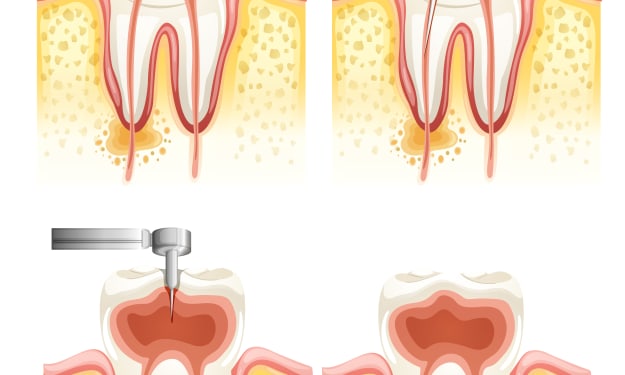
A severe toothache isn’t just uncomfortable—it’s a sign that something serious may be happening inside your tooth. This pain is frequently due to an infection or swelling of the dental pulp, the soft tissue living in your tooth that contains nerves and blood vessels.
By Dentist On Warrigal Cheltenham5 months ago in Lifehack
How to choose a hiking sleeping bag
Wherever the night finds you, a comfortable and full sleep will always be a priority. And it doesn't matter if you are in a cosy hotel or tent. Therefore, if you are planning a hike in the mountains with an overnight stay, it is important to take care of the necessary equipment for a comfortable and safe sleep. It's about a sleeping bag.
By Olaf Podolski3 days ago in Lifehack



Comments
There are no comments for this story
Be the first to respond and start the conversation.