
How Root Canal Treatment Can Relieve Pain and Save Your Tooth
Preserving Your Smile and Comfort with Modern Dental Care

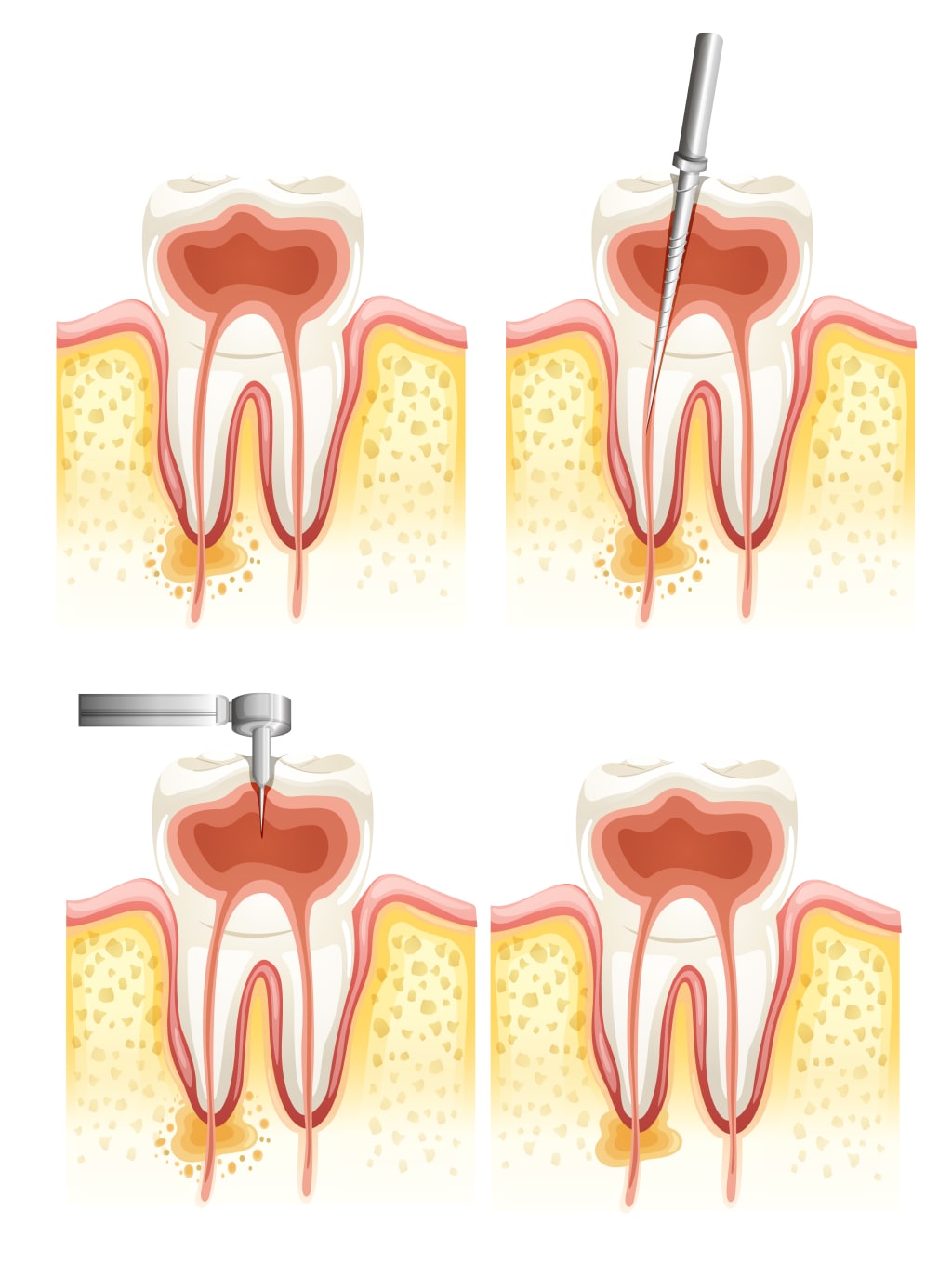
A severe toothache isn’t just uncomfortable—it’s a sign that something serious may be happening inside your tooth. This pain is frequently due to an infection or swelling of the dental pulp, the soft tissue living in your tooth that contains nerves and blood vessels.
Left untreated, such an infection may spread to nearby teeth, gums, and even your jaw, potentially causing abscesses or, in some cases, a systemic infection.
Root canal therapy is performed to clear this infection, eliminate discomfort, and preserve your tooth. Unlike extraction, which removes the tooth entirely, root canal treatment preserves your natural structure, helping maintain your bite and preventing complications that can arise from missing teeth.
What Happens During a Root Canal
Many people fear root canal treatment because of myths about pain. In reality, thanks to modern dental techniques, the procedure is no more uncomfortable than getting a routine filling. Here’s a comprehensive outline of what to anticipate:
- Assessment and Diagnosis: After examining your tooth and taking X-rays, your dentist will assess the severity of the infection. This helps plan the procedure carefully.
- Local Anaesthesia: The area around your tooth is numbed, ensuring the procedure is comfortable. Most patients feel little to no pain during treatment.
- Cleaning the Canals: The dentist carefully cleans the interior of the tooth by removing the infected pulp. Specialised tools ensure all infected material is eliminated.
- Filling and Sealing: After cleaning, the canals are filled with a biocompatible material to block reinfection.
- Restoration: The tooth is subsequently restored with a crown or filling, allowing it to regain strength and function.
This process allows you to preserve your natural tooth while effectively addressing the source of pain.
Signs You Might Need a Root Canal
Recognising dental issues early can save time, discomfort, and money. Some common signs that you may need a root canal include:
- Persistent or severe toothache, especially when chewing or biting
- Lingering sensitivity to hot or cold temperatures
- Puffiness, pain, or redness in the gum surrounding the tooth
- Darkening or discolouration of the affected tooth
- A pus or a small bump on the gums indicates an infection
- General discomfort in the jaw or face near the affected tooth
If you notice any of these symptoms, don’t wait for the problem to worsen—prompt dental attention is crucial.
Benefits of Root Canal Treatment
Root canal treatment provides several important benefits beyond immediate pain relief:
- Preserves Your Natural Tooth: Saving your tooth prevents neighbouring teeth from shifting and helps maintain proper bite alignment.
- Eliminates Infection: Removing infected pulp prevents the infection from spreading to surrounding teeth and tissues.
- Restores Function: After treatment, your tooth can function normally for eating, chewing, and speaking.
- Prevents Future Problems: Early intervention reduces the risk of requiring more extensive procedures, such as implants or bridges.
- Improves Overall Health: Treating infections promptly contributes to better oral health and overall well-being.
Addressing Common Misconceptions
Root canal treatments are often misunderstood. Here’s the truth behind some of the myths:
- “It’s Painful” – With modern anaesthesia and advanced techniques, the procedure is virtually painless. Many patients feel relief during and after treatment.
- “You’ll Need to Remove the Tooth Anyway” – With proper care, most treated teeth last a lifetime.
- “It’s Complicated or Costly” – While cost varies, saving your tooth is usually less expensive in the long run than extraction followed by replacement.
Knowing these facts can reduce anxiety and help you feel more comfortable about the procedure.
Recovery and Aftercare
Recovery from root canal treatment is usually straightforward. For a few days, some tenderness or minor sensitivity is to be expected, although this is usually manageable with over-the-counter painkillers. Most people return to their normal routines almost immediately.
To protect your treated tooth and promote healing:
- Until the tooth is completely rebuilt with a crown, refrain from chewing on hard foods.
- Brush and floss your teeth every day to maintain good oral hygiene.
- Maintain regular dental check-ups to monitor your oral health.
- Follow any specific aftercare advice provided by your dentist.
The Emotional and Quality-of-Life Benefits
Living with an infected tooth can be draining. It often affects your ability to eat comfortably, sleep soundly, and smile confidently.
Root canal treatment doesn’t just address the physical pain—it restores peace of mind. Knowing that your natural tooth is preserved and your oral health is back on track can significantly improve your overall quality of life.
Final Thoughts
Root canal treatment is a safe and proven method of relieving tooth pain, removing infection, and preserving your natural smile. Timely treatment helps prevent complications, restores function, and protects your long-term health.
If you live in Cheltenham and are experiencing persistent tooth pain, seeking professional advice promptly is essential. A trusted dentist can assess your situation and discuss whether root canal treatment in Cheltenham is the right step to restore your comfort and maintain the health of your smile.
About the Creator
Dentist On Warrigal Cheltenham
At Dentist On Warrigal Cheltenham we provide thorough and personalised care every time. Call (03) 9583 5506 or visit us at Suite C, 151 Centre Dandenong Road, Cheltenham VIC 3192
Keep reading
More stories from Dentist On Warrigal Cheltenham and writers in Lifehack and other communities.
Teeth Whitening: Safe Ways to Brighten Your Smile
Your smile is one of the first things people notice about you. A confident smile with radiant teeth can make you feel better about yourself and impress people (both in personal and professional settings).
By Dentist On Warrigal Cheltenham5 months ago in Lifehack
Between Innings
Ever heard of baseball? A game with rules, chalked lines, innings, and a crowd that believes effort guarantees reward. A game where timing is praised more than truth, and endurance is mistaken for choice. A game where people insist it’s fair because everyone is playing by the same rules. I feel like the ball.
By Gladys Kay Sidorenko3 days ago in Lifehack
Using a novel strategy, scientists try to stop human ageing.
Your cells' functions change as you age, and this gradual change can lead to organ failure, weakening, and scarring. There is now hope for treating age-related disorders since scientists have discovered a mechanism to nudge some cells back towards healthy roles.
By Francis Damiabout 2 hours ago in Lifehack




Comments
There are no comments for this story
Be the first to respond and start the conversation.