
Rates of bowel cancer are rising among young people.
Bowel cancer rates are increasing among young individuals.
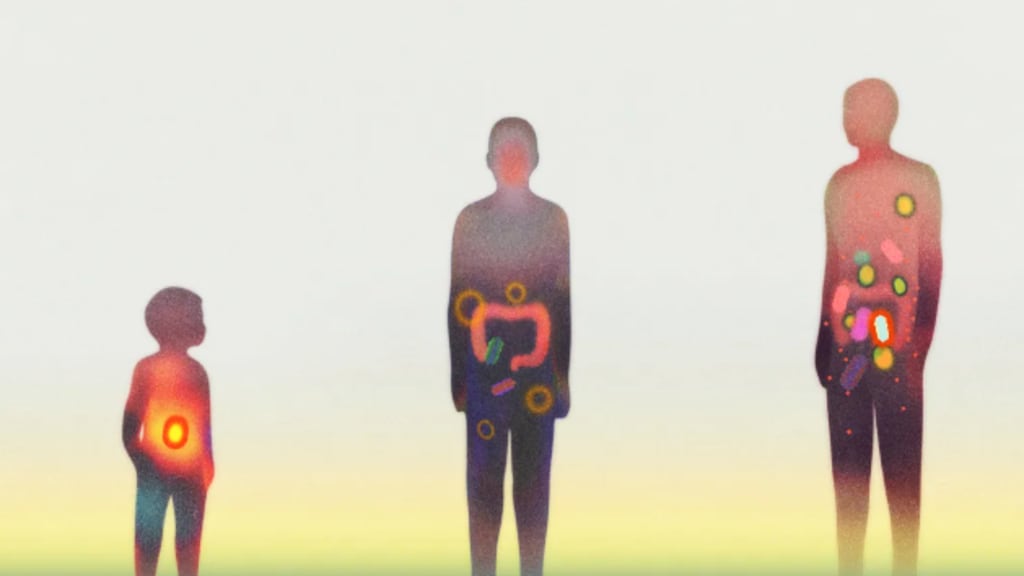
Bowel Cancer Rates Rising Among Young People: A Growing Health Concern
Bowel cancer, also called colorectal cancer, used to be thought of as a disease that mostly affected older adults, but it is now increasingly being diagnosed in younger people. Growing data over the past few years has revealed a concerning trend: bowel cancer is becoming more common in people under 50. Scientists, medical professionals, and public health organizations are being prompted by this change to reconsider current screening recommendations and investigate the root causes of this shift.
A Concerning Trend
Bowel cancer has historically been more common in people over 60, but new epidemiological data indicates that the disease is becoming more common in younger people. The rate of colorectal cancer among adults aged 20 to 49 has dramatically increased over the past 20 years, according to a number of extensive studies conducted in the US, UK, and Australia. Rates among individuals in their 30s and 40s have doubled or even tripled in some areas.
For instance, according to a 2023 report by the American Cancer Society, about 20% of colorectal cancer cases in the United States are now diagnosed in individuals under the age of 55, up from only 11% in the mid-1990s.
Causes: Lifestyle and Environment
Although the exact causes of this rise are still unknown, scientists think a mix of biological, environmental, and lifestyle factors could be at play.
One major suspect is diet. Bowel cancer risk factors include diets heavy in ultra-processed foods, low in fiber, and high in red and processed meats. With its emphasis on fast food and sugary drinks, the typical Western diet has spread throughout the world and may be affecting cancer risk at an early age.
Obesity and sedentary behavior are also major factors. Excess body weight and physical inactivity have been associated with a higher risk of colorectal cancer. Younger people may be more exposed to these risk factors over the long term as childhood and adolescent obesity rates rise globally.
Delay in Diagnosis
The fact that bowel cancer is frequently discovered in younger patients at a more advanced stage is among the trend's most concerning features. Patients and healthcare professionals may fail to notice symptoms like rectal bleeding, abdominal pain, or changes in bowel habits because the disease is still uncommon in this age group. Delays in diagnosis and treatment may result from this, decreasing the likelihood of a favorable outcome.
Younger patients are more likely to be diagnosed with late-stage tumors, which are more difficult to treat and are linked to worse prognoses, according to studies. Before a diagnosis is made, patients may need to see several doctors or have a lot of tests done.Modifying the Screening Criteria.In reaction to these concerning patterns, a number of health.
The Need for Action
A diversified strategy will be needed to address this new health crisis. First and foremost, medical professionals need to be taught to spot possible warning indicators in younger patients and not discount symptoms based solely on age. Second, research funding is required to gain a deeper understanding of the environmental and biological factors that contribute to early-onset colorectal cancer.
Healthy eating, frequent exercise, and the significance of addressing persistent digestive symptoms should all be highlighted in public health campaigns. Early intervention is essential because bowel cancer is very treatable and has a five-year survival rate of over 90% when detected early.
Conclusion
An important and concerning change in disease patterns is the rising incidence of bowel cancer in young people. Even though the causes are still being studied, it is obvious that proactive healthcare policies, early screening, and greater awareness are necessary to counteract this trend. A disease that formerly affected older populations is now posing an increasing risk to younger generations and needs to be addressed right away.
Do you want a version that is ready for publication online or in print?
About the Creator
Keep reading
More stories from Md.Mahfuz Ahmed and writers in Lifehack and other communities.
Microsoft goes passwordless by default on new accounts.
Microsoft Goes Passwordless by Default on New Accounts In a significant move toward enhancing digital security and user convenience, Microsoft has announced that all new accounts will now be passwordless by default. This change marks a major step in the company’s broader vision to eliminate traditional passwords, which have long been a weak link in cybersecurity. Instead of passwords, Microsoft will encourage users to adopt more secure and user-friendly authentication methods like passkeys, biometrics, and authentication apps.
By Md.Mahfuz Ahmed 10 months ago in 01
Why an Ergonomic Foot Rest Is One of the Most Underrated Remote Work Tools
Remote work has made many people rethink how they set up their workspaces. While most attention goes to desks, chairs, and monitors, one essential item is often overlooked: an ergonomic foot rest. It may seem like a minor accessory, but for anyone spending long hours seated at a desk, a foot rest can play a surprisingly important role in comfort, posture, and overall well-being.
By Bahati Mulishi7 days ago in Lifehack
A City of Transitions
Killeen, Texas, is a place where movement feels natural. People arrive with anticipation, settle into routines, and eventually prepare to leave, often sooner than expected. This pattern is not a flaw of the city. It is part of its identity. Anchored by Fort Cavazos, Killeen exists in a constant state of transition, shaped by lives that intersect briefly before continuing elsewhere.
By House Doctor4 days ago in Lifehack
Diaries to Nietzsche
Quotation from Friedrich Nietzsche "He who wrestles long with monsters should beware lest he himself become a monster. And if you gaze long into an abyss, the abyss also gazes into you. Man is not destroyed by suffering, but by the meaning he makes of it."
By LUCCIAN LAYTHa day ago in Critique



Comments
There are no comments for this story
Be the first to respond and start the conversation.