
Why an Ergonomic Foot Rest Is One of the Most Underrated Remote Work Tools
One of the biggest benefits of using a foot rest is improved posture
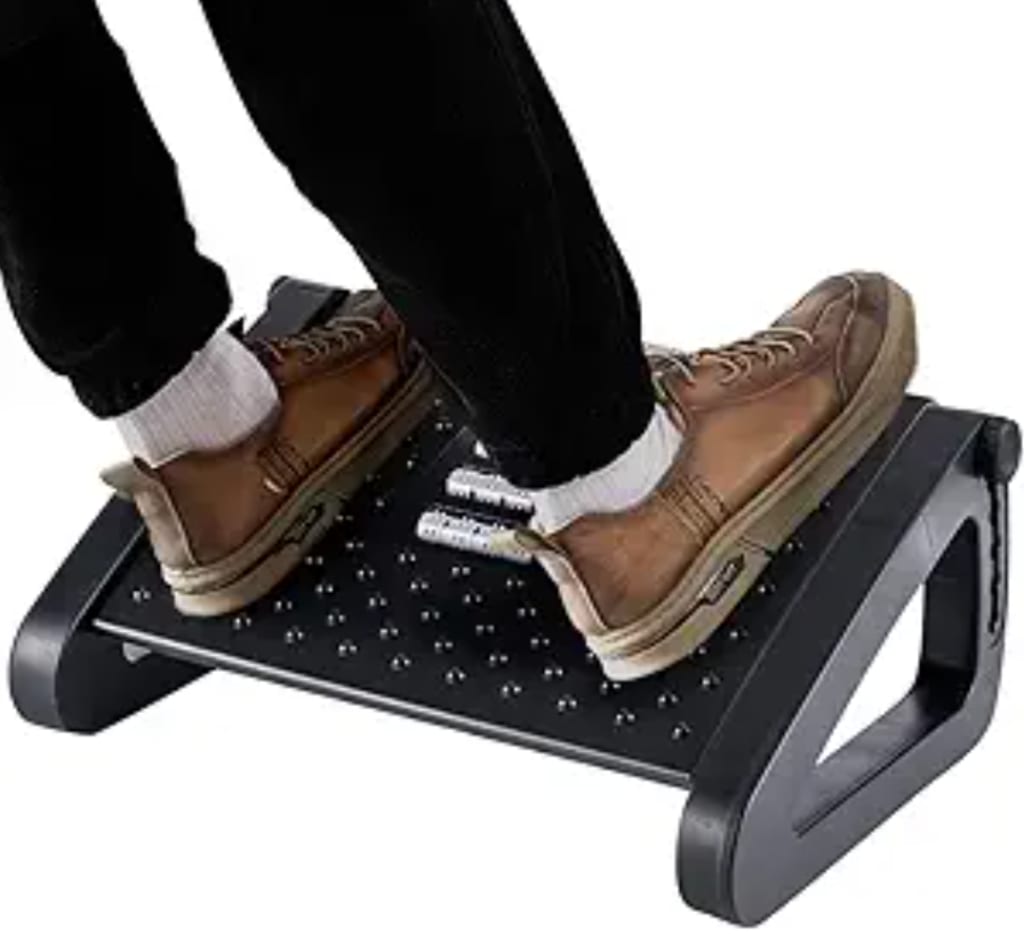
Remote work has made many people rethink how they set up their workspaces. While most attention goes to desks, chairs, and monitors, one essential item is often overlooked: an ergonomic foot rest. It may seem like a minor accessory, but for anyone spending long hours seated at a desk, a foot rest can play a surprisingly important role in comfort, posture, and overall well-being.
When your feet are not properly supported while sitting, your body naturally compensates. You might cross your legs, tuck your feet under your chair, or sit on the edge of your seat to feel more balanced. Over time, these habits can lead to lower back pain, hip tension, and poor circulation. An ergonomic foot rest helps eliminate these issues by giving your feet a stable, supportive place to rest.
One of the most immediate benefits of using a foot rest is improved posture. Proper foot support allows your knees to sit at a healthier angle, which helps align your hips and spine. This alignment reduces pressure on the lower back and minimizes the slouching that often develops during long work sessions. Even people with ergonomic chairs can benefit, as posture depends on the entire sitting position, not just the chair itself.
Comfort throughout the workday is another major advantage. Sitting for hours without adequate leg support can cause stiffness and fatigue in the legs and feet. A foot rest helps distribute weight more evenly and reduces strain, making it easier to stay comfortable during extended periods of work. Many people notice that they shift positions less often and feel more relaxed once they start using one.
Circulation is another key factor. When feet dangle or rest awkwardly, blood flow in the legs can become restricted. This can lead to numbness, swelling, or a heavy feeling in the lower limbs. A foot rest encourages a more natural sitting posture, helping promote better circulation and reducing discomfort by the end of the day.
Foot rests are particularly helpful for people whose desks are slightly too high. In these cases, lowering the chair to keep feet flat on the floor can make typing uncomfortable, while raising the chair improves desk height but leaves the feet unsupported. A foot rest solves this problem by allowing you to maintain the correct desk height while still supporting your legs properly.
Another often-overlooked benefit is increased focus and productivity. Physical discomfort is a constant distraction, even if you don’t consciously notice it. When your body is supported and comfortable, your mind can stay focused on tasks instead of adjusting your posture or dealing with aches. Over time, this can lead to better concentration and more consistent work performance.
For remote workers who alternate between sitting and standing, a foot rest can still be useful. During seated work, it provides comfort and support, and during standing periods, some foot rests can be used to shift weight and reduce fatigue. This versatility makes it a valuable addition to flexible work setups.
What makes ergonomic foot rests especially appealing is how simple they are. They don’t require assembly, take up very little space, and can be easily adjusted or moved as needed. Despite their simplicity, they address a fundamental aspect of sitting posture that many people neglect.
In the long run, small ergonomic improvements can have a big impact on health. Back pain, leg discomfort, and poor posture often develop gradually, making them easy to ignore until they become serious. Adding a foot rest is a proactive step toward creating a healthier and more sustainable remote work environment.
In conclusion, an ergonomic foot rest may not be the most exciting piece of office equipment, but it is one of the most practical. For remote workers looking to improve comfort, posture, and daily productivity, it’s a simple upgrade that delivers lasting benefits. Sometimes, the smallest changes make the biggest difference.
About the Creator
Keep reading
More stories from Bahati Mulishi and writers in Lifehack and other communities.
Why a USB-C Multiport Hub Is One of the Most Important Tools for Remote Work
Remote work has become normal for many professionals around the world. People across industries — from IT and HR to design, finance, and education — now rely on laptops to complete their daily tasks. While laptops are powerful and portable, they often come with a downside: limited ports. This common hardware limitation can disrupt workflow, lower productivity, and create frustration — especially for workers who connect multiple devices.
By Bahati Mulishia day ago in Lifehack
Essential Differences Between MMA Flooring and Epoxy Flooring Systems
Ever walk into a big store, a hospital, or maybe even a high-end garage and catch yourself thinking, “Wow, that floor actually looks great—what’s it made of?” Turns out, there’s a good chance you’re standing on either MMA flooring or epoxy flooring. These two pop up all over the place, and for good reason. People pick them for all sorts of different spaces. At a glance, they seem pretty similar. But trust me, they’re not the same at all.
By Muhammad Hanzla6 days ago in Lifehack
Mismanaging Your Emotions At Work Leads To Occupational Burn Out
People being forced to fake how they feel in the work place is one of the main causes of occupational burn out. That’s according to new research by Emlyon Business School. Researchers have discovered that the surface acting creates a form of exhaustion which drains the ability an employee possesses to be able to organise themselves and take part in everyday work-related tasks. This effects an organisation’s ability to function well and cater for it’s own staff and customers. This creates a huge impact on the ability each individual has to manage their own cognitive capacity as well as eroding their sense of authenticity. This puts a huge impact on team trust and makes engaging in leadership more difficult.
By Ashish Prabhu6 days ago in Lifehack




Comments
There are no comments for this story
Be the first to respond and start the conversation.