
Pulmonary Nodule ICD-10: A Comprehensive Guide to Diagnosis, Coding, and Management
Pulmonary nodule icd 10

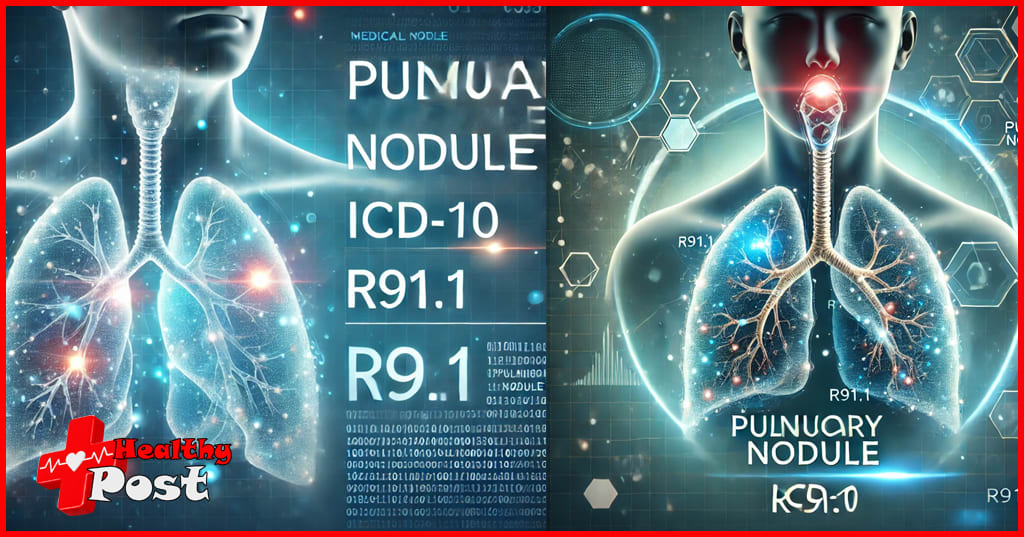
Imagine going for a routine chest X-ray or CT scan, only to be told there’s a small spot on your lung. Your heart skips a beat—what does this mean? Pulmonary nodules, small growths in the lungs, are more common than you might think. While most are benign, some can signal serious conditions like lung cancer.
Understanding pulmonary nodules and their ICD-10 coding is crucial for healthcare providers, medical coders, and even patients. This blog will dive deep into the world of pulmonary nodules, focusing on ICD-10 codes, diagnostic processes, and actionable tips for effective management. Whether you're a medical professional or someone seeking clarity, this guide has you covered.
What Is a Pulmonary nodule icd 10?
A pulmonary nodule is a small, round, or oval-shaped growth in the lung. These nodules are typically less than 3 centimeters in diameter and are often discovered incidentally during imaging tests for unrelated conditions.
Types of Pulmonary Nodules
Benign Nodules: Non-cancerous growths caused by infections, inflammation, or scar tissue.
Malignant Nodules: Cancerous growths that may indicate lung cancer or metastasis from other cancers.
Understanding ICD-10 Codes for Pulmonary Nodules
ICD-10 (International Classification of Diseases, 10th Revision) is the global standard for coding medical diagnoses. Accurate coding ensures proper documentation, billing, and patient care.
Key ICD-10 Codes for Pulmonary Nodules
ICD-10 Code Description
R91.1 Solitary pulmonary nodule
R91.8 Other nonspecific abnormal findings of lung field
D49.1 Neoplasm of unspecified behavior of respiratory system
Pro Tip: Always confirm the specific diagnosis with a healthcare provider to ensure accurate coding.
How Are Pulmonary Nodules Diagnosed?
Diagnosing pulmonary nodules involves a combination of imaging, clinical evaluation, and sometimes biopsy.
Step-by-Step Diagnostic Process
Initial Imaging: Chest X-ray or CT scan detects the nodule.
Follow-Up Imaging: Repeat scans to monitor growth or changes.
PET Scan: Assesses metabolic activity to determine malignancy risk.
Biopsy: Tissue sample analysis for definitive diagnosis.
Actionable Tips for Managing Pulmonary Nodules
Whether you're a patient or a healthcare provider, these tips can help navigate the complexities of pulmonary nodules:
For Patients
Ask Questions: Understand your diagnosis and next steps.
Follow-Up: Adhere to recommended imaging schedules.
Lifestyle Changes: Quit smoking and adopt a healthy lifestyle to reduce risks.
For Healthcare Providers
Accurate Coding: Use the correct ICD-10 codes for documentation and billing.
Patient Education: Explain the diagnosis and treatment options clearly.
Multidisciplinary Approach: Collaborate with radiologists, oncologists, and surgeons for comprehensive care.
Real-World Example: A Case Study
Case: A 58-year-old smoker undergoes a routine chest X-ray, revealing a 2 cm nodule. Follow-up CT and PET scans suggest malignancy. A biopsy confirms lung cancer.
Outcome: Early detection allowed for timely treatment, including surgery and chemotherapy, significantly improving the patient’s prognosis.
FAQs About Pulmonary Nodules and ICD-10 Coding
1. What is the most common ICD-10 code for a pulmonary nodule?
The most common code is R91.1 (Solitary pulmonary nodule).
2. Are all pulmonary nodules cancerous?
No, most pulmonary nodules are benign. However, further evaluation is necessary to rule out malignancy.
3. How often should pulmonary nodules be monitored?
Monitoring frequency depends on the nodule’s size, characteristics, and patient risk factors. Typically, follow-up scans are done at 3-6 month intervals.
4. Can pulmonary nodules be treated without surgery?
Yes, benign nodules often require no treatment. Malignant nodules may need surgery, chemotherapy, or radiation.
Visual Aids: Simplifying Complex Concepts
Infographic: Pulmonary Nodule Diagnosis Pathway
Pulmonary Nodule Diagnosis Pathway Infographic
Caption: A step-by-step visual guide to diagnosing pulmonary nodules.
Comparison Table: Benign vs. Malignant Nodules
Feature Benign Nodule Malignant Nodule
Shape Smooth, round Irregular, spiculated
Growth Rate Slow or none Rapid
PET Scan Result Low metabolic activity High metabolic activity
Conclusion: Take Charge of Your Lung Health
Pulmonary nodules can be a source of anxiety, but understanding their diagnosis, ICD-10 coding, and management can empower you to take control. Whether you're a patient or a healthcare professional, this guide provides the tools and knowledge you need to navigate this complex topic.
Call-to-Action: Found this guide helpful? Share it with others or leave a comment below with your thoughts and questions!
Cover Title Image for the Article
Pulmonary Nodule ICD-10: A Comprehensive Guide
Caption: A visually striking cover image summarizing the blog’s key points.
About the Creator
Keep reading
More stories from Muhammad Ali and writers in Lifehack and other communities.
Understanding CHF ICD-10: A Comprehensive Guide
Congestive Heart Failure (CHF) is a serious medical condition that affects millions of people worldwide. To ensure accurate diagnosis, treatment, and medical billing, healthcare providers rely on the International Classification of Diseases, 10th Revision (ICD-10) coding system. Understanding CHF ICD 10 codes is essential for medical professionals, insurance companies, and patients. This article provides an in-depth look at CHF ICD-10 coding, including definitions, classifications, and its significance in the medical field.
By Muhammad Ali12 months ago in Lifehack
Premium Gas Is Draining Your Wallet — Unless Your Engine Needs It
Have you ever wondered whether premium fuel could actually help your engine? Fuels rated at 91–93 octane do resist detonation better than lower-octane fuels, and in some cases they can burn more completely. But does that mean your engine will run better, last longer, or get more power?
By Jack Martina day ago in Lifehack
Being Human Is Heavy
No one tells you that being human comes with a weight you cannot put down. Not when you’re born, not when you learn to walk, not even when you learn to love. It arrives quietly, accumulating over years, stacking itself in invisible layers until one day you wake up tired for no clear reason. You blame sleep. You blame work. You blame age. But the truth is simpler and harder: being human is heavy.
By LUNA EDITH4 days ago in Lifehack


Comments
There are no comments for this story
Be the first to respond and start the conversation.