
Preparing for a Wilderness Adventure: Navigation Tips
The article aims to provide comprehensive guidance on preparing for a wilderness adventure with a focus on essential navigation tips.

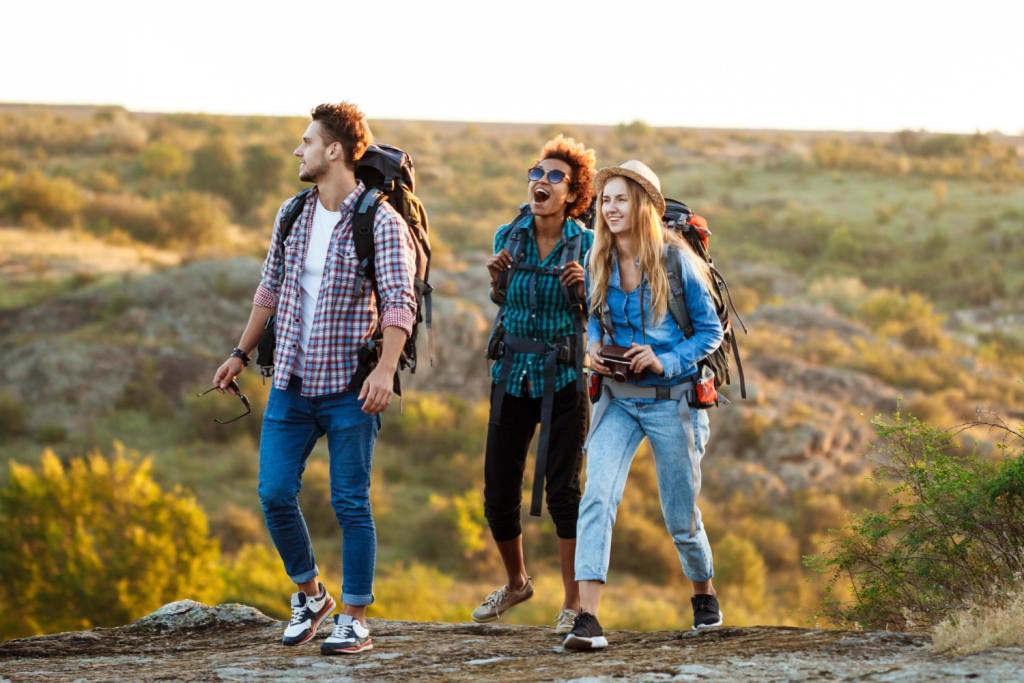
Venturing into the wilderness, be it through dense forests, mountainous terrains, or remote backpacking trails, offers a thrilling escape from everyday life.
However, such adventures demand not just enthusiasm but also careful preparation, particularly in navigation. In the wilderness, where signposts are scarce and the environment challenging, effective navigation is crucial for a safe and enjoyable experience.
This article will explore essential navigation tips and tools, from traditional map and compass techniques to modern GPS devices, catering to both seasoned explorers and first-time adventurers.
Understanding these fundamentals is vital for confidently navigating and fully enjoying the wilderness.
Understanding Wilderness Navigation
Wilderness navigation differs significantly from urban navigation, as it often involves unmarked paths and a dynamic natural environment. The key to mastering this skill is the ability to adapt to changing conditions and interpret the landscape.
A combination of traditional tools like maps and compasses, essential for understanding terrain and direction, and modern GPS devices, useful for real-time tracking, is recommended. However, reliance solely on electronic devices is risky due to potential failures.
Effective wilderness navigation is not just about following a path but making informed decisions based on a mix of environmental cues, technical knowledge, and intuition. This skill set is crucial for safety and enhances the overall experience of connecting with nature.
Essential Navigation Tools for Wilderness Adventures
For successful wilderness navigation, a blend of traditional and modern tools is essential:
- Maps: Topographic maps are crucial for understanding terrain features and planning routes.
- Compass: A reliable, battery-free tool for orienting your map and determining direction.
- GPS Devices: Offer real-time location tracking and can be invaluable in unfamiliar areas.
- Altimeter: Useful for determining elevation, especially in mountainous terrain.
- Smartphone with Navigation Apps: Handy for accessing digital maps and GPS, but should not be solely relied upon due to battery and signal limitations.
Each tool serves a unique purpose, and together, they provide a comprehensive approach to navigating the wilderness effectively and safely.
Developing a Navigation Plan
Creating a navigation plan is a critical step for any wilderness adventure:
- Route Planning: Before your trip, study maps to identify your primary route and alternatives. Consider distance, terrain difficulty, and estimated travel time.
- Checkpoints: Establish checkpoints or landmarks along your route for easier navigation and progress tracking.
- Weather and Terrain Research: Understand the weather patterns and terrain features of your destination to anticipate challenges.
- Inform Others: Share your navigation plan, including routes and expected return time, with someone trustworthy who is not part of the expedition.
- Emergency Plan: Include contingency plans for unexpected situations, like bad weather or injuries.
A well-thought-out navigation plan ensures you are prepared for various scenarios and helps in making informed decisions during your wilderness journey.
Using a Map and Compass in the Wilderness
Effectively using a map and compass is fundamental in wilderness navigation:
- Map Orientation: Align your map with the surrounding terrain. Use your compass to set the map to true north.
- Identifying Landmarks: Use the map to identify major landmarks like rivers, mountains, and valleys to establish your position.
- Setting a Bearing: Determine your direction of travel by placing the compass on the map and aligning it from your current position to your desired destination.
- Field Bearing: Hold the compass flat in your hand and turn your body until the compass needle aligns with your set bearing. The compass direction now points to your destination.
- Regular Checks: Regularly check your compass and map to ensure you're on the right path and make adjustments as needed.
GPS and Digital Navigation Aids
GPS and digital tools are valuable aids for wilderness navigation:
- GPS Devices: Provide precise location data, helping you track your position and route in real-time. Additionally, integrating an online compass with your GPS device can enhance directional awareness, ensuring accurate alignment with your planned route.
- Smartphone Apps: Various navigation apps offer offline maps (such as Maps.me) and GPS functionality, useful for route planning and tracking.
- Satellite Messengers: In areas without cell service, these devices can send your location and emergency signals. My top choice is the Garmin inReach Mini 2.
- Battery Life Management: Always carry extra batteries or power banks.
- Backup Plan: Use GPS and digital aids in conjunction with traditional navigation methods like maps and compasses, ensuring you have a backup in case of device failure.
Safety Tips and Emergency Preparedness
Ensuring safety and being prepared for emergencies are crucial in wilderness navigation:
- Inform Someone: Always let someone know your plans, route, and expected return time.
- Carry Essential Gear: Include a first-aid kit, extra food and water, a whistle, a fire starter, and a shelter.
- Stay on Marked Trails: Whenever possible, stick to established trails to reduce the risk of getting lost.
- Weather Awareness: Be aware of weather forecasts and understand how changing conditions can impact your route.
- Emergency Protocols: Learn basic survival skills and what to do if lost (stay put, signal for help, stay warm and dry).
Preparation and awareness are key to managing risks and responding effectively to any emergencies that may arise in the wilderness.
Concluding Thoughts
Effective wilderness navigation is a crucial balance of skill, preparation, and respect for the natural world. Utilizing a combination of traditional methods and modern technology enhances confidence and safety in remote explorations.
However, it's important to remember that technology should support, not replace, basic navigation skills. Being prepared for emergencies and understanding your own limits are essential. Wilderness navigation is not only about reaching a destination but also about the journey and the deep connection with nature it fosters.
As you embark on your adventures, embrace these lessons, letting them guide you through both the wilderness and life's broader experiences.
About the Creator
Jacob Miller
I'm Jacob Miller, a 35-year-old digital nomad and travel enthusiast from the heart of the USA. Ever since I was young, I've been captivated by the allure of exploring the unknown.
Keep reading
More stories from writers in Lifehack and other communities.
I Lost Them While They Were Still Alive
They didn't die on my hands. I lost them to silence. There was no funeral, no final farewell, and no significant occurrence to signal to me that this was the end. Days turned into weeks, weeks turned into months, and conversations became memories that I thought I could revisit at any time. I was swamped. Busy chasing stability. occupied with trying to get "better." Busy convincing myself that there would always be time later.
By Noor Ul wahab7 days ago in Lifehack
Top Business Trends Redefining 2026
The business world is changing faster than ever. New technology, shifting customer behavior, and global challenges are pushing companies to rethink how they work. In 2026, businesses that adapt quickly will grow, while those that resist change may struggle.
By Muhammad Irfan Afzala day ago in Lifehack
The Duelist
The rays of a dying red sun flashed against the onrushing blade. The grey beards say the key to dueling lies in size, speed, reach, righteous fury, whatever the person in front of them pays them to say. Matteo knew better than any it was none of these and had an undefeated record on these sands to prove it.
By Matthew J. Fromm4 days ago in Fiction




Comments (1)
Love outdoor adventures. Can't go anywhere there without being prepared. Nice.