
Powering the Future: A Comprehensive Guide to AC EV Charging at Home and On the Go
A practical guide to charging your EV at home and on the road with portable and AC solutions

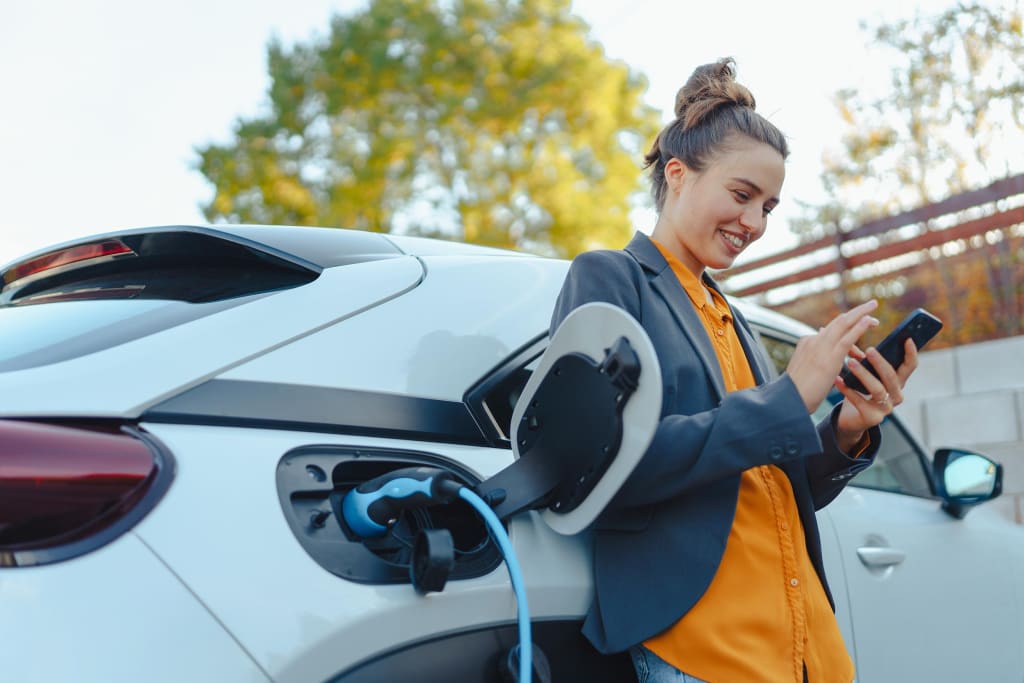
As electric vehicles (EVs) move from niche to mainstream, the way we charge them is just as important as the cars themselves. From daily commuters to long-distance travelers, drivers are looking for solutions that are both practical and efficient. For many, that means understanding the differences between charging at home, on the road, and everywhere in between. Two increasingly popular options are the Portable Level 2 EV Charger and the Home Use AC EV Charger, each offering unique benefits depending on the driver’s lifestyle. At the same time, knowing the broader context of how an Electric Vehicle Charger works can help owners make smarter decisions.
Understanding the Basics of EV Charging
Electric vehicle charging stations—whether public, private, or portable—serve a single purpose: to transfer electrical energy into the vehicle’s battery. However, the technology and infrastructure supporting that process can vary significantly.
Broadly, charging falls into three categories:
- Level 1 Charging – Uses a standard household outlet (120 volts AC in North America). It’s slow—often adding just 3–5 miles of range per hour—but requires no special equipment.
- Level 2 Charging – Operates at higher voltages (typically 240 volts AC). This is the standard for home wall units and many portable chargers, providing 15–30 miles of range per hour.
- DC Fast Charging – Converts grid AC power to direct current (DC) within the charging station itself, delivering it directly to the battery. This is the fastest option, often restoring 80% charge in under an hour, but requires specialized infrastructure and is rarely available for home use.
While fast charging attracts attention for its speed, Level 2 AC charging—both portable and home-based—remains the backbone of daily EV charging. That’s because most EV owners do the majority of their charging overnight or during long parking periods, when speed is less critical than convenience.
Portable Level 2 EV Chargers: Charging Flexibility Anywhere
The Portable Level 2 EV Charger has become an increasingly valuable tool for drivers who need flexibility. Designed to be compact and easy to carry, these chargers allow EV owners to plug into compatible 240-volt outlets wherever they’re available—at a friend’s house, in a workplace garage, or even at certain campgrounds.
Key Features:
- Adaptability – Many portable chargers come with interchangeable plugs or adapters, allowing them to work in different electrical environments.
- Moderate Charging Speed – While not as fast as DC chargers, a portable Level 2 unit is significantly quicker than a Level 1 plug, often cutting charging times by more than half.
- Portability – Their lightweight design means they can travel in the trunk without taking up much space.
- Cost Savings – They can be less expensive than installing a fixed home unit, especially for renters who might not be able to modify their electrical systems.
When They Make Sense:
- For drivers who park in multiple locations without reliable access to fixed chargers.
- For EV owners who frequently take road trips to areas without dense charging infrastructure.
- As a backup for home chargers in case of power fluctuations or maintenance issues.
One of the main appeals of portable electric vehicle chargers is the control they give the driver. Instead of being tied to a specific location, EV owners can bring their charging capability with them. That freedom can be especially important in regions where charging networks are still expanding.
Home Use AC EV Chargers: Overnight Efficiency
While portability offers flexibility, nothing beats the convenience of a dedicated Home Use AC EV Charger for daily driving needs. Installed in a garage or driveway, these chargers are permanently connected to a home’s electrical system, typically delivering consistent Level 2 charging speeds.
Advantages:
- Consistent Charging Routine – Drivers can plug in every evening and start the day with a full battery.
- Faster Than Level 1 – A home Level 2 charger can recharge most EVs overnight, even from a near-empty battery.
- Custom Installation – Electricians can optimize the setup for the home’s electrical capacity, ensuring safe and efficient charging.
- Smart Features – Many modern home chargers integrate with smartphone apps, enabling scheduled charging during off-peak electricity rates.
Best for:
- Homeowners with dedicated parking spaces and access to a stable power supply.
- EV owners with higher daily mileage who need faster turnaround times.
- Families with multiple EVs sharing the same charging point.
Unlike portable chargers, home units can be paired with renewable energy systems, such as rooftop solar, to further reduce the environmental impact and energy costs of driving electric.
The Role of Public Charging Networks
Even with portable and home chargers, public charging stations remain essential for long-distance travel and urban dwellers without private parking. According to the Electric Vehicle Charger entry on Wikipedia, charging networks are expanding rapidly, with both AC and DC options becoming more common in commercial spaces, highway rest stops, and even retail parking lots.
The most successful EV charging strategies often combine different charging methods. For example, a driver may rely on a home charger during the week, a portable unit for weekend getaways, and public stations when traveling far from home.
Safety, Efficiency, and Installation Considerations
Whether installing a home unit or using a portable charger, safety should always come first. Level 2 chargers draw more power than standard household appliances, so it’s important to ensure that:
- Outlets and wiring are rated for the intended load.
- Charging cables are inspected regularly for wear.
- Outdoor installations are weatherproof and compliant with local electrical codes.
Efficiency also plays a role in choosing the right charger. Some chargers offer adjustable amperage settings, allowing users to balance speed against the capacity of the electrical circuit. Smart chargers can further optimize charging times to coincide with lower electricity rates, reducing operating costs.
Future Trends in AC EV Charging
The world of Residential AC EV Charging Point is evolving quickly. Emerging trends include:
- Bidirectional Charging – Allowing the EV to send power back to the grid or a home during outages.
- Integration with Smart Grids – Coordinating charging across thousands of vehicles to balance electricity demand.
- Lightweight, Higher-Power Portable Units – Improving speed without sacrificing portability.
As battery technology advances and EV adoption grows, the line between “portable” and “home” charging may blur, with compact chargers capable of delivering higher power outputs in more varied environments.
Conclusion
For today’s EV owners, there’s no single “best” charging solution—only the right combination for their lifestyle. A Portable Level 2 EV Charger offers the freedom to charge in multiple locations, making it a reliable travel companion. A Home Use AC EV Charger delivers the ease of overnight charging, ensuring a full battery every morning. Understanding the role of an Electric Vehicle Charger in the wider charging ecosystem helps drivers make informed choices, balancing convenience, cost, and sustainability. As infrastructure improves and technology evolves, drivers will enjoy more flexibility than ever—charging wherever the road takes them.
About the Creator
Keep reading
More stories from charliesamuel and writers in Lifehack and other communities.
Powering the Future at Home: Understanding Residential AC EV Charging Points
The rise of electric vehicles (EVs) is reshaping how we think about mobility, sustainability, and energy use. As more drivers make the switch from gasoline-powered cars to EVs, the need for accessible, reliable charging solutions is growing rapidly. For many, that solution starts right at home with a Home Use AC EV Charger or a Residential AC EV Charging Point.
By charliesamuel7 months ago in Lifehack
How to Find Penny Items at Dollar General
Imagine walking into Dollar General and walking out with a cart filled with items that cost you a total of less than a dollar. The lucky few who snag penny items certainly have experienced the adrenaline and happiness it creates. If you want to feel like a Queen (or king) for a day, read below to learn how you can become a DG penny-aire.
By Criminal Matters7 days ago in Lifehack
Top 10 Side Effects of Chia Seeds You Should Know
Chia seeds have gained huge popularity in recent years as a superfood. From smoothies and puddings to salads and oatmeal, these tiny seeds are often praised for their high fiber, omega-3 fatty acids, and protein content. Many people include them in their daily diet to support weight loss, digestion, and overall health.
By Veronica Bennett3 days ago in Lifehack
Worth the Wait: Puerto Viejo, Costa Rica
Beach bumming in a small Caribbean beach town sounded like a perfect way to end our 6-month trip through Mexico and Central America. Or so we thought. The foul, fishy stench of rotten seaweed hit our nostrils as we stepped from the cramped bus and looked out at a rather depressing, empty, and underwhelming black sand beach. It was pouring with rain, and we had to quickly fish out our ponchos. We thought, this couldn’t be it, could it?
By Sh*t Happens - Lost Girl Travel6 days ago in Wander




Comments
There are no comments for this story
Be the first to respond and start the conversation.