
Powering the Future at Home: Understanding Residential AC EV Charging Points
A Complete Guide to Home AC EV Charging for Everyday Drivers

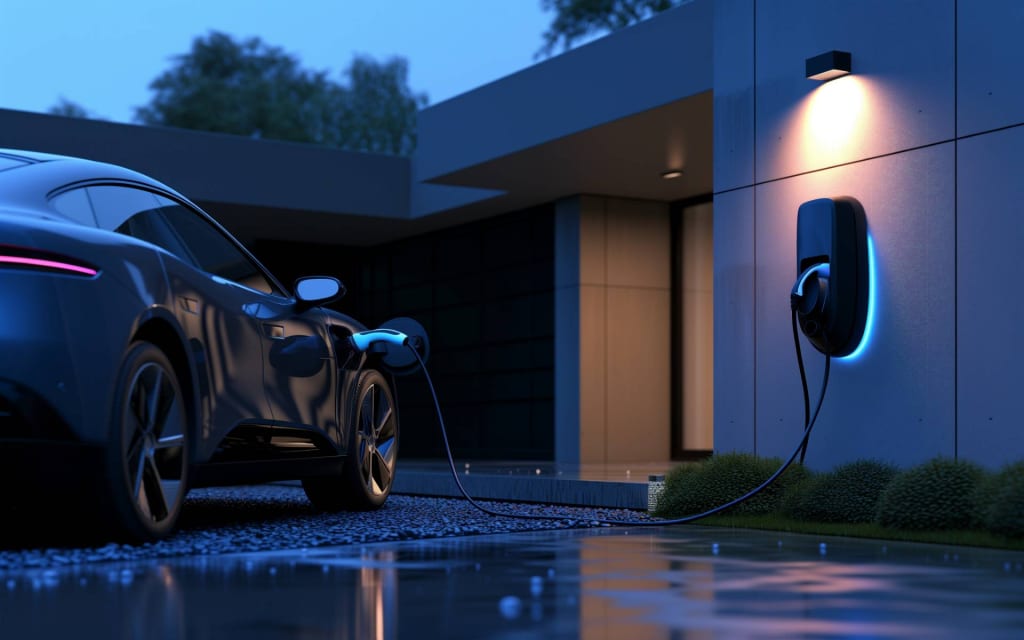
The rise of electric vehicles (EVs) is reshaping how we think about mobility, sustainability, and energy use. As more drivers make the switch from gasoline-powered cars to EVs, the need for accessible, reliable charging solutions is growing rapidly. For many, that solution starts right at home with a Home Use AC EV Charger or a Residential AC EV Charging Point.
While public charging infrastructure plays a vital role in the adoption of EVs, most drivers prefer the convenience of charging overnight in their own garage or driveway. Installing a home charging solution allows EV owners to start each day with a full battery, avoids long waits at public stations, and can even save money depending on electricity rates. In this article, we’ll explore how home AC chargers work, the types available, installation considerations, and how they fit into the larger shift toward sustainable transportation.
1. The Basics of AC EV Charging
An AC EV charging point delivers alternating current (AC) electricity to your vehicle’s onboard charger, which then converts it into direct current (DC) to store in the battery. This is different from DC fast charging stations, which supply DC electricity directly to the battery, bypassing the car’s onboard converter.
For residential use, AC charging is the most common and practical option. It operates at lower power levels than public DC fast chargers, but it’s more than enough for overnight charging. Since most EVs remain parked at home for hours at a time, AC charging offers a safe and efficient way to replenish the battery.
2. Levels of Home AC Charging
According to the Charging station overview, AC charging is generally divided into two main levels for residential use:
- Level 1 (120V) – This uses a standard household outlet. It’s the slowest charging method, adding about 3–5 miles of range per hour. Suitable for plug-in hybrids or low-mileage drivers.
- Level 2 (240V) – This requires a dedicated circuit and a specialized charger, such as a Home Wallbox EV Charger. It can deliver 15–30 miles of range per hour, making it the preferred option for most full EV owners.
Level 2 charging is the sweet spot for most households—it balances charging speed, cost, and installation complexity.
3. Why Wall-Mounted Chargers Are Popular
The Wall Mounted EV Charging Station is one of the most popular formats for residential Level 2 charging. Mounted in a garage or on an exterior wall, it keeps cables tidy, saves floor space, and offers a permanent, weather-resistant installation.
Some advantages of wall-mounted chargers include:
Space efficiency – No need for a bulky floor stand.
Cable management – Built-in holsters and hooks to keep charging cords off the ground.
Safety – Weatherproof designs for outdoor use.
Aesthetics – A cleaner, more integrated look compared to portable chargers.
4. Key Features to Consider
When choosing a Home Use AC EV Charger, several features can improve convenience, safety, and efficiency:
Charging speed – Measured in kilowatts (kW); higher power means faster charging but requires a matching electrical supply.
Smart connectivity – Wi-Fi or Bluetooth integration for monitoring energy use, scheduling charging times, and tracking costs.
Load balancing – Prevents overloading your home’s electrical system.
Cable length – Ensures the charging cable can reach your vehicle comfortably.
Safety certifications – Look for units certified to national or regional electrical safety standards.
5. Installation Considerations
Installing a Residential AC EV Charging Point typically requires:
Electrical panel capacity – Ensure your home’s electrical system can handle the charger’s load.
Circuit breaker upgrades – A dedicated circuit is usually required.
Professional installation – Licensed electricians should handle wiring to comply with local building codes.
Location planning – Position the charger for easy vehicle access while keeping cables safe from damage.
Some homeowners also install solar panels to offset charging costs and reduce environmental impact.
6. The Role of Home Charging in EV Adoption
Widespread access to home charging is a major factor in EV adoption rates. Studies show that EV owners with home chargers are more satisfied and drive electric more often. This is because:
- They avoid range anxiety.
- They save time by not visiting public chargers regularly.
- They can take advantage of off-peak electricity rates.
The Home Wallbox EV Charger and similar devices are part of this shift toward making EV ownership as seamless as possible.
7. Cost Factors
Costs for a home AC charger setup vary widely, depending on:
- Charger model and features.
- Electrical system upgrades.
- Installation complexity.
- Local labor rates.
While there’s an upfront investment, the long-term savings in fuel costs and the convenience of at-home charging often outweigh the initial expense.
8. Environmental Impact
Charging at home, especially when combined with renewable energy sources, significantly reduces greenhouse gas emissions compared to gasoline vehicles. Even when drawing power from the grid, EVs charged overnight often use cleaner energy because demand is lower and fossil-fuel plants are less active.
9. Safety Tips for Home EV Charging
- Always use chargers certified by recognized safety authorities.
- Avoid using extension cords.
- Regularly inspect cables for wear and tear.
- Keep charging areas dry and free from obstructions.
These practices help ensure that your Wall Mounted EV Charging Station operates reliably for years.
10. Looking Ahead
As EV technology advances, home chargers are becoming smarter, faster, and more integrated with home energy management systems. Future chargers may adjust power levels dynamically based on grid conditions, solar output, or household energy use. This will make home charging even more efficient and sustainable.
Conclusion
The transition to electric mobility is more than just swapping engines for batteries—it’s about rethinking the entire fueling experience. For many drivers, the Home Use AC EV Charger or Residential AC EV Charging Point represents the gateway to that new reality. With options like the Wall Mounted EV Charging Station, homeowners can enjoy the convenience, cost savings, and environmental benefits of charging at home.
As charging technology continues to evolve, home-based solutions will remain at the heart of the EV ecosystem, empowering more people to embrace sustainable transportation and keep their vehicles ready to go—right from the driveway.
About the Creator
Keep reading
More stories from charliesamuel and writers in Lifehack and other communities.
The Art and Comfort of Modular Sofas: How Modern Seating Shapes Our Homes
Furniture trends have always reflected the way we live, and in recent years, one design has quietly taken center stage in living rooms around the world — the modular sofa. Flexible, adaptable, and stylish, these seating arrangements are redefining what it means to create a comfortable home. Whether it’s a compact apartment, a sprawling family house, or a studio loft, modular pieces offer a blend of practicality and personality that traditional couches can’t quite match. From the sleek lines of a velvet sofa to the sheer sprawl of an oversized sectional sleeper sofa, these designs have expanded the possibilities of interior comfort.
By charliesamuel7 months ago in Lifehack




Comments
There are no comments for this story
Be the first to respond and start the conversation.