
Nun Peak Expedition Guide
Nun Peak Expedition Guide: Conquer the Heights of Ladakh's Majestic Summit
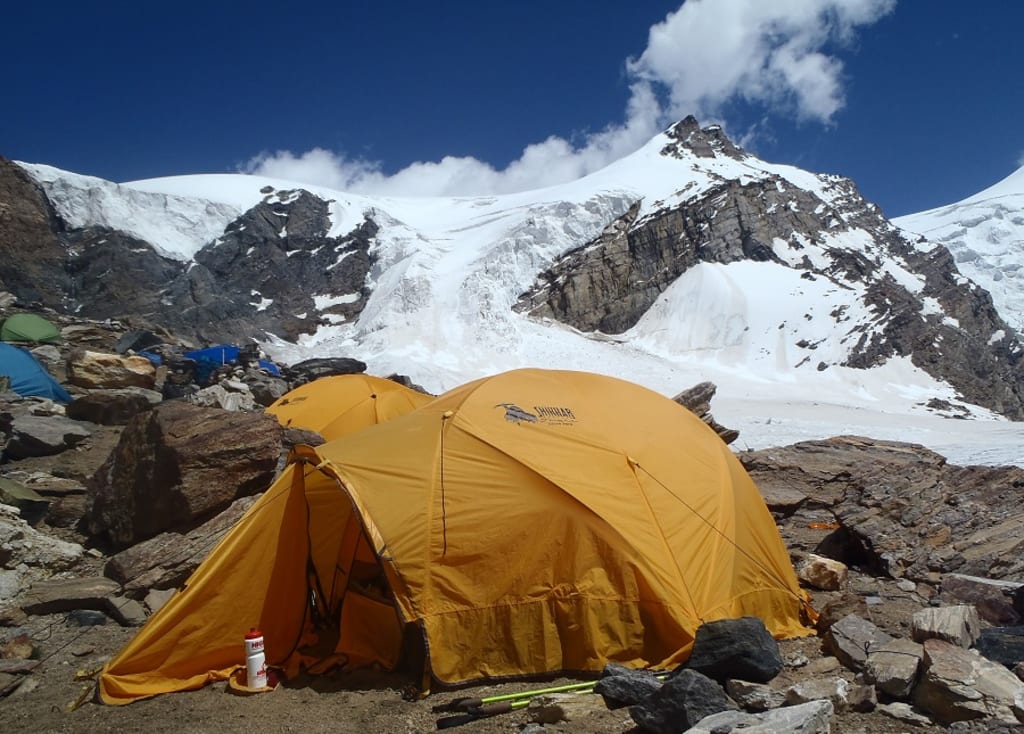
Mt. Nun (7,135 meters/23,409 feet) is one of the most famous and challenging trekking peaks in the Indian Himalayas. Located in the Ladakh region, specifically in the Suru Valley, it is part of the Nun Kun mountain massif, which consists of two prominent peaks: Mt. Nun and Mt. Kun. The climb to Mt. Nun Peak is a prestigious mountaineering expedition, demanding a high level of technical skill, physical endurance, and mental strength.
Mt. Nun is the highest peak in the Ladakh region, and its imposing presence is felt the moment it comes into view. The sheer beauty of the surrounding region—marked by rugged terrain, glaciers, snowfields, and the distant peaks of the Karakoram range—adds to the trek's allure. While the peak itself remains a coveted challenge for experienced mountaineers, the expedition is not for the faint-hearted. It involves technical climbing, crevasse navigation, and glacier travel, making it a true test for seasoned trekkers and climbers.
The Expedition Overview
The Nun Peak expedition typically spans about 20-24 days, including acclimatization, trekking to base camp, technical training, and summiting. This challenging trek begins from Leh, a town known for its rich Tibetan culture and stunning landscapes. From Leh, participants drive to the village of Tangol, the starting point for the trek.
The trek itself covers a variety of terrains, including alpine meadows, moraines, glaciers, and steep snow slopes, leading up to the summit of Mt. Nun. The expedition also includes several camps along the way, providing stunning views of the surrounding peaks and valleys. These camps offer trekkers a chance to rest, acclimatize, and adjust to the high-altitude environment.
Physical Requirements
Mt. Nun is a physically demanding expedition and requires participants to be in excellent shape. Climbers should have prior experience in high-altitude mountaineering, including handling basic ice tools, ascending steep slopes, and navigating glaciers. Prior experience in climbing other 7,000-meter peaks or at least a few BRS 7 treks (treks above 6,000 meters) is necessary.
To ensure that participants are well-prepared, a fitness regime is recommended in the months leading up to the trek. A key focus should be endurance, strength training, and cardiovascular fitness. Jogging/running 5 kilometers in 25-30 minutes is a minimum requirement, with additional long runs (10-15 kilometers) to build stamina. Resistance workouts such as squats, lunges, and push-ups are essential for strengthening the legs and core, critical for climbing steep inclines and navigating rugged terrain.
Additionally, climbers must be comfortable in high-altitude conditions, where oxygen levels are lower, and temperatures drop significantly, even in summer months. Acclimatization is crucial to avoid altitude sickness, and the expedition includes ample time for this purpose.
The Route and Camps
The trek to Mt. Nun involves multiple camps, each strategically placed to allow climbers to acclimatize and rest before the final push to the summit. The journey begins from Leh and proceeds as follows:
Base Camp
After reaching Tangol, the trek heads towards Base Camp. This location is situated at around 4,600 meters and serves as the first stop for climbers to rest and prepare for the ascent. The Base Camp is typically set up on a flat, open space near a glacier, with dramatic views of the surrounding mountains.
Camp 1
Camp 1 is positioned at an altitude of approximately 5,300 meters, located on the glacier's edge. The ascent to this camp involves trekking across moraines and crevasse-ridden terrain. It’s the first real taste of the technical terrain, where climbers must begin to use ice axes and crampons. This camp offers the first spectacular view of Mt. Nun and its surrounding peaks.
Camp 2
The second camp lies at an altitude of about 5,900 meters. The route to Camp 2 is challenging, with steep ascents and technical glacier travel. From this point, climbers are rewarded with panoramic views of the snowfield below and the Karakoram range in the distance. This is the last major camp before attempting the summit and is essential for further acclimatization.
Camp 3 (High Camp)
Camp 3, located at around 6,400 meters, is the high camp before the summit push. It’s situated in a sheltered spot, often in a snow gully. The environment at this altitude is harsh, with temperatures well below freezing, and climbers need to be fully prepared for the final ascent. High Camp serves as the final base before attempting the summit on the following day.
Climbing Mt. Nun
Climbing Mt. Nun is no simple feat. The final ascent is both physically and mentally demanding. Climbers must possess advanced mountaineering skills and be comfortable with technical climbing techniques. The ascent includes:
- Crevasse Navigation: The glacier surrounding Mt. Nun is riddled with crevasses, making navigation tricky. Proper use of ropes and other safety gear is essential to avoid accidents.
- Ice Walls and Steep Slopes: The climb to the summit involves scaling steep snow and ice walls, often at gradients of 50-60 degrees. This requires efficient use of ice axes, crampons, and ropes for safe ascents and descents.
- Summit Push: The summit attempt typically takes 8-10 hours and involves traversing several knife-edge ridges and technical patches. The climb requires continuous focus and caution due to unpredictable weather and the challenging terrain.
- Summit Views: Upon reaching the summit, climbers are treated to one of the most breathtaking views in the world. The panoramic view includes peaks from the Karakoram range, such as K2, and other iconic mountains in the region.
Weather Conditions
The weather on Mt. Nun is unpredictable, and climbers must be prepared for extreme conditions. Temperatures can range from 0°C to 15°C during the day at base camp, but at higher elevations, they can drop drastically below freezing. Summit temperatures can fall below -20°C, even in summer.
Wind is a constant factor, and sudden storms or snowfalls can make climbing even more difficult. Climbers must be prepared for rapidly changing conditions and must have the appropriate gear to handle extreme temperatures and blizzards.
Safety Considerations
Safety is of utmost importance on a challenging expedition like the Nun Peak climb. Some key safety considerations include:
Acclimatization: Ensuring adequate time for acclimatization is essential to prevent altitude sickness. This involves gradual ascents and rest days to allow the body to adjust to lower oxygen levels at higher altitudes.
Proper Gear: Technical mountaineering gear such as ice axes, crampons, ropes, harnesses, and helmets are essential. Climbers should also bring clothing suitable for sub-zero temperatures, including insulated jackets, thermal layers, gloves, and a high-quality sleeping bag.
Climbing Experience: Given the technical nature of the climb, only experienced climbers with prior high-altitude trekking experience should attempt Mt. Nun. Guides and professional mountaineers should be hired to ensure safety during the climb.
Teamwork: Successful summits are achieved through cooperation. Climbers must work as a team, supporting each other and assisting with tasks like rope management, crevasse crossing, and navigation.
Logistics and Travel
The journey to Mt. Nun begins in Leh, which is well connected by air to Delhi and other major cities in India. Once in Leh, trekkers need to travel to the village of Tangol, where the trek officially begins. This drive takes about 2 hours and takes you through beautiful landscapes of the Suru Valley.
During the trek, climbers will camp in tents provided by the expedition organizers. At higher altitudes, camps may be shared due to space constraints. The expedition also includes transportation, food, and medical support, ensuring that climbers have everything they need for a successful journey.
Conclusion
The Mt. Nun Peak expedition is one of the most challenging mountaineering experiences in India. It requires a high level of technical skill, endurance, and the ability to work as a team under extreme conditions. Reaching the summit is an extraordinary achievement, providing climbers with a sense of accomplishment and an unparalleled view of the Ladakh and Karakoram ranges.
For those seeking a challenging adventure in the Indian Himalayas, the Mt. Nun Peak expedition offers the perfect opportunity to push your limits and experience the raw beauty and power of the mountains. Whether you are an experienced mountaineer or a seasoned trekker looking to take on your next big challenge, Mt. Nun awaits those who are ready to conquer its heights.
About the Creator
Rawat Sikhar
Rawat is a seasoned digital marketing expert with a knack for crafting compelling campaigns and leveraging data-driven strategies to maximize online visibility and engagement.
Keep reading
More stories from Rawat Sikhar and writers in Lifehack and other communities.
How to Plan Gangotri Yamunotri Yatra
Planning a trip to Gangotri and Yamunotri, two of the most revered pilgrimage destinations in India, is a spiritual journey that requires a blend of careful preparation, understanding of the region, and respect for the environment and culture. Located in the majestic Uttarkashi district of Uttarakhand, both of these holy shrines are part of the Char Dham Yatra — a sacred circuit of four pilgrimages that also includes Kedarnath and Badrinath. In this detailed guide, we will cover how to plan a Gangotri Yamunotri Yatra, including travel logistics, important tips, and cultural insights.
By Rawat Sikhar12 months ago in Lifehack
Grains and Wealth
Grains and Wealth j It is said that a prayer made with a pure heart is always accepted. Once, a wealthy merchant was traveling on horseback. He carried with him four bags filled with precious jewels and genuine pearls. His purpose was to sell these treasures and use the proceeds to buy goods for his trade. However, during his journey, he lost his way and ended up in a vast desert. Though he possessed immense wealth, he had very little food or water with him. In his flask, there was only a little water, which he drank as soon as he entered the scorching desert sands.
By Sudais Zakwan4 days ago in Lifehack



Comments
There are no comments for this story
Be the first to respond and start the conversation.