
patellofemoral pain syndrome sleeping position
the Impact of Sleeping Position


In today's article, we will explore the connection between patellofemoral pain syndrome (PFPS) and sleeping positions. If you've been struggling with knee pain and discomfort during sleep, finding the right sleeping position can make a significant difference. We'll discuss the causes of PFPS, the importance of sleeping position, and provide you with helpful tips to improve your sleep quality and manage your condition effectively.
Introduction
Patellofemoral pain syndrome, commonly referred to as runner's knee, is a condition characterized by pain around or behind the kneecap. It often occurs due to misalignment or improper tracking of the kneecap, causing irritation and inflammation. While PFPS is commonly experienced during physical activities like running or squatting, the way you sleep can also influence the severity of your symptoms.
What is Patellofemoral Pain Syndrome?
Before delving into the relationship between sleeping position and PFPS, it's essential to understand the condition itself. Patellofemoral pain syndrome is a knee condition that primarily affects the interaction between the kneecap (patella) and the thighbone (femur). This misalignment can cause pain, especially during activities that involve bending the knee or when pressure is applied to the patella.
Causes of Patellofemoral Pain Syndrome
Several factors contribute to the development of patellofemoral pain syndrome, including:
1. Muscle Imbalances
Muscle imbalances in the legs, particularly weak quadriceps or tight hamstrings, can affect the alignment of the patella, leading to increased pressure on the joint.
2. Overuse or High-Impact Activities
Engaging in repetitive activities that involve excessive stress on the knee joint, such as running, jumping, or squatting, can contribute to the development of PFPS.
3. Structural Issues
Anatomical abnormalities, such as misalignment of the legs, flat feet, or a tilted patella, can also increase the risk of developing PFPS.
4. Trauma or Injury
Direct trauma or a previous knee injury can contribute to the onset of patellofemoral pain syndrome, especially if the knee hasn't fully healed or been rehabilitated.
Importance of Sleeping Position
The way you position your body during sleep can significantly impact the symptoms associated with PFPS. A poor sleeping position can place unnecessary stress on the knees, exacerbating pain and discomfort. Conversely, a proper sleeping position can alleviate pressure on the patella and promote better sleep quality.
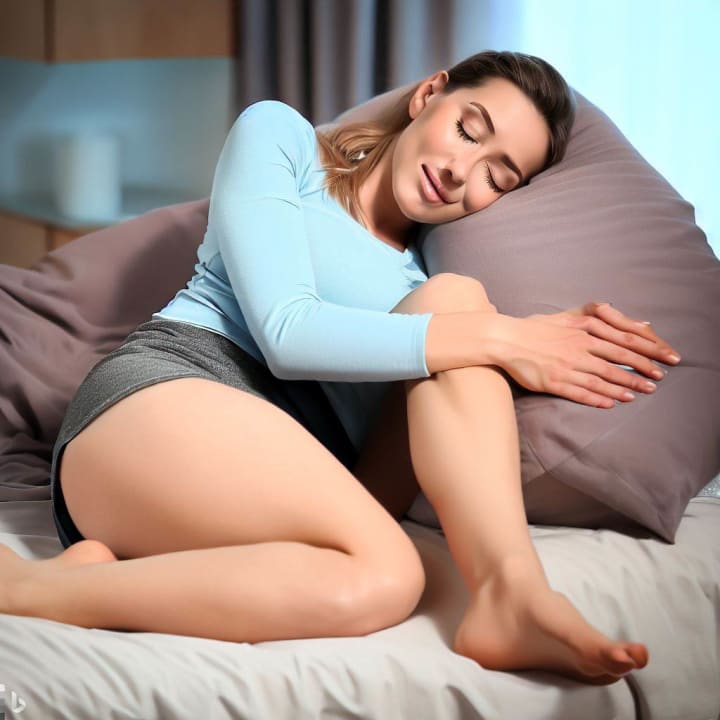
Best Sleeping Positions for Patellofemoral Pain Syndrome
Finding the optimal sleeping position for PFPS is crucial for minimizing pain and promoting a restful night's sleep. Here are some of the best sleeping positions for individuals with patellofemoral pain syndrome:
1. Back Sleeping Position
Sleeping on your back is generally considered the best position for overall spinal alignment and joint support. To enhance this position for PFPS, you can place a pillow or rolled-up towel under your knees. This helps maintain a slight bend in the knees, reducing stress on the patella.
2. Side Sleeping Position
If you prefer to sleep on your side, ensure you have a supportive pillow that keeps your head aligned with your spine. For individuals with PFPS, it is recommended to sleep with a pillow between your knees. This helps keep the hips and knees in proper alignment, minimizing strain on the kneecap.
3. Semi-Fetal Sleeping Position
The semi-fetal position is another excellent choice for those with patellofemoral pain syndrome. Lie on your side and draw your knees slightly towards your chest, keeping your back straight. Placing a pillow between your knees provides added support and reduces knee pressure.
4. Elevated Leg Sleeping Position
Elevating the legs while sleeping can alleviate pressure on the knees. You can achieve this by using a wedge pillow or by propping your lower legs on pillows. This position helps reduce swelling and promote circulation, providing relief for individuals with PFPS.
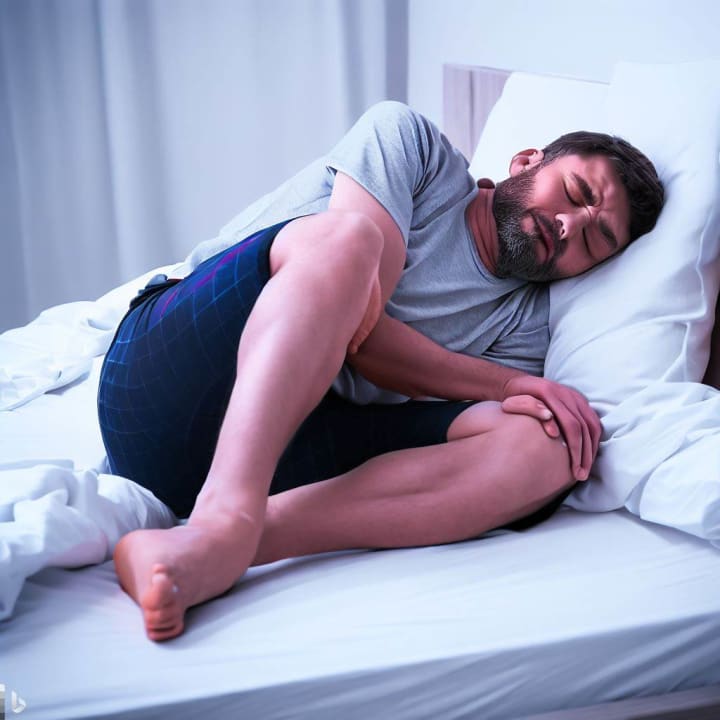
Worst Sleeping Positions for Patellofemoral Pain Syndrome
While certain sleeping positions can alleviate symptoms, there are some you should avoid if you have patellofemoral pain syndrome. These positions may increase knee discomfort or put unnecessary strain on the joints:
1. Stomach Sleeping Position
Sleeping on your stomach is generally discouraged for individuals with PFPS. This position can lead to an unnatural twisting of the spine and increased pressure on the knees. It may worsen the pain and cause additional strain on the kneecap.
2. Full Fetal Sleeping Position
Sleeping in a fully curled-up fetal position can restrict movement and place stress on the knees. It can potentially exacerbate patellofemoral pain syndrome symptoms and lead to morning stiffness and discomfort.
3. Twisted Sleeping Position
Sleeping in a twisted or contorted position can lead to misalignment of the knees and aggravate PFPS. Avoid positions where your legs are crossed or tangled, as this can increase strain on the knee joints.
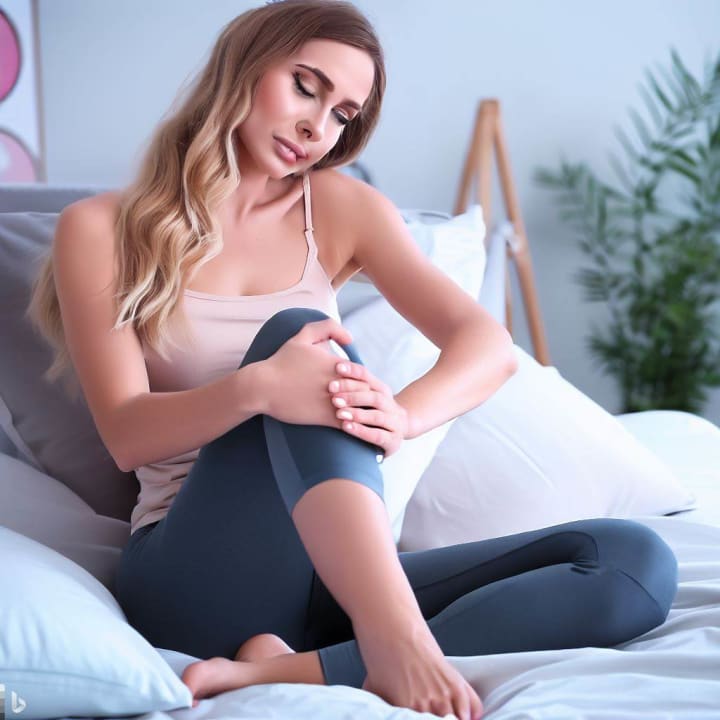
Tips for Improving Sleep with Patellofemoral Pain Syndrome
In addition to choosing the right sleeping position, there are several tips you can follow to improve your sleep quality with patellofemoral pain syndrome:
1. Invest in a Supportive Mattress and Pillow
A mattress that provides adequate support and conforms to your body's shape can significantly enhance sleep comfort. Similarly, using a pillow that supports your neck and keeps your spine aligned can alleviate pressure on the knees.
2. Practice Gentle Stretching Before Bed
Engaging in gentle stretching exercises before bedtime can help relax tight muscles and promote better sleep. Focus on stretches that target the quadriceps, hamstrings, and calves to improve overall leg flexibility and reduce knee discomfort.
3. Apply Heat or Cold Therapy
Using heat or cold therapy can help alleviate the pain and inflammation associated with PFPS. Experiment with hot packs, cold packs, or alternate between the two to find what works best for you. Apply the therapy to your knees before bed to ease any discomfort.
4. Establish a Relaxing Bedtime Routine
Creating a relaxing bedtime routine signals to your body that it's time to unwind and prepare for sleep. Engage in activities like reading a book, taking a warm bath, or practicing deep breathing exercises to promote relaxation and better sleep quality.
5. Maintain a Consistent Sleep Schedule
Keeping a consistent sleep schedule helps regulate your body's internal clock and promotes better sleep. Aim to go to bed and wake up at the same time each day, even on weekends. This routine helps optimize your sleep-wake cycle and can reduce sleep disturbances.
Benefits of Proper Sleep
Getting sufficient and quality sleep is essential for overall health and well-being, particularly for individuals with patellofemoral pain syndrome. Adequate sleep offers the following benefits:
- Pain Relief: Quality sleep allows your body to heal and recover, potentially reducing the pain and discomfort associated with PFPS.
- Improved Mood and Mental Well-Being: Sleep plays a vital role in regulating mood and emotional balance. By getting enough rest, you may experience improved mental health and reduced stress levels.
- Enhanced Recovery: Sleep is a critical time for your body to repair and regenerate. By prioritizing proper sleep, you can enhance the recovery process and potentially accelerate healing.
- Increased Energy and Performance: Quality sleep contributes to higher energy levels, improved focus, and enhanced physical performance. By optimizing your sleep, you may experience better productivity and engagement in your daily activities.
Conclusion
Finding the right sleeping position is crucial for managing patellofemoral pain syndrome and promoting restful sleep. Experiment with different positions, such as back sleeping with knee support or side sleeping with a pillow between the knees, to determine what works best for you. Additionally, incorporating good sleep hygiene practices and maintaining a consistent sleep schedule can further improve your sleep quality and overall well-being.
Remember, consult with a healthcare professional if you have any concerns or questions about your sleeping position and its impact on your condition. They can provide personalized advice and guidance based on your specific needs.
FAQs (Frequently Asked Questions)
FAQ 1: Can the wrong sleeping position worsen patellofemoral pain syndrome?
Yes, sleeping in improper positions can increase knee pain and exacerbate the symptoms of patellofemoral pain syndrome. It's essential to find a sleeping position that reduces stress on the knees and promotes comfort.
FAQ 2: How can I determine the best sleeping position for my condition?
Experimenting with different sleeping positions, such as back sleeping with knee support or side sleeping with a pillow between the knees, can help you identify the most suitable position for your patellofemoral pain syndrome. Listen to your body and pay attention to the level of comfort and pain relief each position provides.
FAQ 3: Are there any specific pillows or mattresses recommended for patellofemoral pain syndrome?
There isn't a one-size-fits-all answer to this question as individual preferences and needs may vary. However, using a supportive mattress and pillow that promote proper spinal alignment and cushioning can generally be beneficial for individuals with patellofemoral pain syndrome.
FAQ 4: Can lifestyle changes improve sleep quality with patellofemoral pain syndrome?
Yes, adopting healthy lifestyle habits can contribute to better sleep quality. These habits include regular exercise, managing stress levels, maintaining a balanced diet, and practicing good sleep hygiene.
FAQ 5: Should I consult a healthcare professional for advice on my sleeping position?
If you have persistent or worsening symptoms of patellofemoral pain syndrome, it's recommended that you consult a healthcare professional. They can provide an accurate diagnosis, personalized treatment options, and guidance on finding the best sleeping position for your specific condition.
About the Creator
VitalityVibe
Welcome to VitalityVibe, your ultimate resource for unlocking your health potential and embracing a vibrant life. Our platform is designed to inspire and guide you on your journey to holistic well-being.
Keep reading
More stories from VitalityVibe and writers in Lifehack and other communities.
Patellofemoral Pain Syndrome Exercises
Patellofemoral pain syndrome, also known as runner's knee, is a common knee condition characterized by pain in the front of the knee, specifically around the patella (kneecap). It often occurs due to overuse, muscle imbalances, trauma, or alignment issues. Patellofemoral pain syndrome can significantly impact daily activities and hinder sports performance. However, with the right approach, including exercises and lifestyle modifications, it is possible to manage and alleviate the symptoms effectively.
By VitalityVibe3 years ago in Lifehack



Comments
There are no comments for this story
Be the first to respond and start the conversation.