
Organic White Tea: A Guide to Elegance and Purity
White Tea

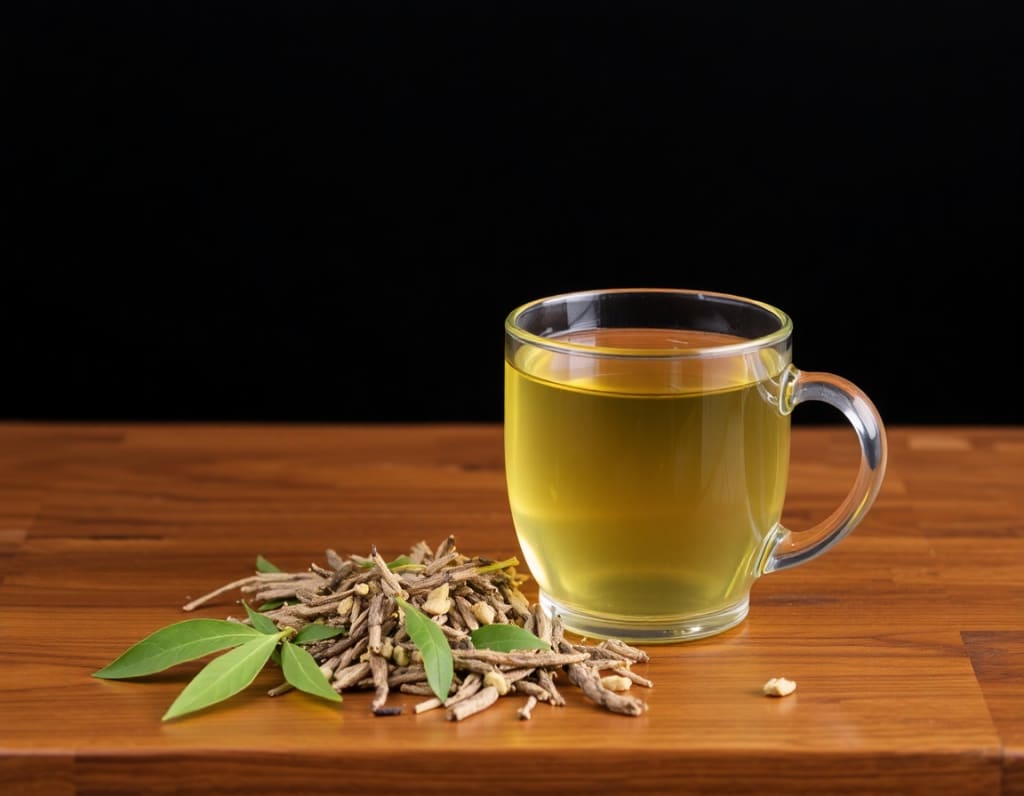
Organic white tea stands as one of the most delicate and revered categories of tea, appreciated for its subtle flavors, numerous health benefits, and minimal processing. As a tea lover, diving into the world of organic white tea is an experience that celebrates purity and simplicity.
In this blog, we explore the origins, benefits, brewing techniques, and why organic white tea deserves a place in your daily routine.
What Is Organic White Tea?
White tea originates from the Camellia sinensis plant, the same plant that produces green, oolong, and black teas. However, it is the least processed of all tea types, retaining much of its natural integrity. Organic white tea takes this purity a step further by ensuring that no synthetic chemicals, pesticides, or artificial fertilizers are used during cultivation.
How Is White Tea Made?
The production of white tea is simple yet meticulous. The young tea buds and leaves are plucked early in the season, carefully withered, and dried to preserve their delicate flavors. Organic practices emphasize sustainable farming, protecting the environment while ensuring the tea’s natural goodness remains intact.
Why Choose Organic White Tea?
1. Health Benefits
Organic white tea is packed with antioxidants, particularly catechins, which are known to combat oxidative stress and reduce inflammation. It also contains lower levels of caffeine, making it a calming choice for those sensitive to stimulants.
Key Benefits Include:
- Skin Health: High antioxidant content helps combat aging and promotes glowing skin.
- Heart Health: Regular consumption may lower blood pressure and cholesterol levels.
- Immune Boost: White tea’s natural properties support the immune system, helping to ward off illnesses.
2. Environmentally Friendly
Organic farming practices are better for the planet. By avoiding harmful chemicals, organic white tea supports biodiversity and promotes sustainable agriculture.
3. Superior Flavor and Aroma
Organic white tea has a naturally sweet and delicate flavor, with floral and honey-like undertones. Its lightness is perfect for those who prefer a subtler tea experience.
Types of Organic White Tea
There are several varieties of white tea, each offering unique flavors:
1. Silver Needle (Baihao Yinzhen)
The most prized white tea, Silver Needle is composed solely of tender buds. It boasts a light, sweet, and floral taste.
2. White Peony (Bai Mudan)
This variety includes both buds and young leaves, providing a more robust flavor with fruity and floral notes.
3. Shou Mei
A more oxidized white tea, Shou Mei has a stronger and richer flavor profile, often with hints of honey and nuts.
How to Brew Organic White Tea
Brewing white tea requires care to bring out its nuanced flavors. Here’s a step-by-step guide:
1. Use Quality Water
- Always use filtered or spring water to ensure the tea’s delicate flavors shine.
2. Temperature Matters
- Heat water to around 160°F to 185°F. Avoid boiling water, as it can scorch the leaves and result in bitterness.
3. Steeping Time
- Steep for 2-5 minutes. A longer steeping time enhances the flavor but avoid overdoing it to prevent astringency.
4. Quantity
- Use about 2 grams of tea leaves per 8 ounces of water.
- For the best experience, try experimenting with brewing times and quantities to find your perfect cup.
Backyard Brew’s Selection of White Tea Leaves
In the middle of discovering the world of organic white tea, it’s crucial to source your tea from trusted providers. Backyard Brew’s Selection of White Tea Leaves ensures the finest quality, flavor, and sustainability for tea enthusiasts who value excellence.
Culinary Uses of White Tea
White tea isn’t just for sipping! Its subtle flavors make it a versatile ingredient in culinary applications:
- Cocktails and Mocktails: Add brewed white tea to cocktails for a unique twist.
- Desserts: Use it as a base flavor for cakes, ice creams, and sorbets.
- Savory Dishes: Infuse white tea into broths or sauces for an unexpected layer of flavor.
FAQs About Organic White Tea
1. What makes white tea different from green tea?
White tea is less processed than green tea, resulting in a lighter flavor and higher antioxidant levels.
2. Is organic white tea caffeine-free?
No, but it has significantly lower caffeine levels compared to green or black tea, making it a gentle option.
3. How should I store white tea?
Store it in an airtight container, away from light, moisture, and strong odors, to maintain its freshness.
4. Can white tea help with weight loss?
Yes, white tea can support weight loss as it boosts metabolism and aids in fat burning.
5. Are there any side effects of drinking white tea?
While rare, excessive consumption may cause stomach discomfort or interfere with iron absorption.
Conclusion
Organic white tea is more than just a beverage—it’s an experience. From its delicate flavors and numerous health benefits to its environmentally friendly cultivation, white tea exemplifies sophistication and care. Whether you’re a seasoned tea connoisseur or a newcomer, incorporating organic white tea into your lifestyle is a choice you won’t regret.
Explore the finest selection at Backyard Brew and savor the essence of purity with every sip. Embrace the elegance of organic white tea and elevate your tea ritual today!
About the Creator
Backyard Brew
Since 2016, Backyard Brew has been crafting unique coffee and tea blends that bring comfort and joy to every cup. Experience our local touch in every sip.
Keep reading
More stories from Backyard Brew and writers in Lifehack and other communities.
Yemen Coffee: A Taste of History in Every Sip
Coffee lovers around the world seek out unique flavors and origins, and Yemen coffee is a name that consistently rises to the top of specialty coffee lists. Renowned for its rich history, unparalleled flavor profile, and traditional methods of cultivation and processing, Yemen coffee is truly a gem among the coffee world. At Backyard Brew, we take pride in bringing you a single origin that embodies the very essence of coffee’s heritage – Yemen Mokha Sennai. Here, we delve into what makes Yemen coffee so special and why it deserves a place in every coffee enthusiast's collection.
By Backyard Brewabout a year ago in Lifehack
How Sherman Lai Integrates Natural Therapies for Whole-Body Wellness
Many people have begun searching for natural methods to enhance their general health and well-being in recent years. Holistic healthcare concentrates on balancing the overall body rather than just treating symptoms. Because they promote long-term wellbeing, natural treatments including acupuncture, herbal medicine, and lifestyle counseling are growing in popularity. Sherman Lai, a practitioner renowned for this well-rounded approach, combines many natural healing techniques to assist people in achieving whole-body wellbeing.
By Sherman Lai Guelph3 days ago in Lifehack
From ad men to mad men
It's after 2am in the morning when a local police patrol vehicle in Northern New Jersey spots a figure costumed as Quasimodo, The Hunchback of Notre Dame, proceeding southbound on the sidewalk along Lydecker Street. Though the hunchback’s costume stuffing offers added insulation, it's January, and friggin’ freezing. Carefully, the officers slow down, gently question the subject, and offer him a ride home.
By David W. Maury7 days ago in Humor




Comments
There are no comments for this story
Be the first to respond and start the conversation.