
Nourish Naturally: A Balanced, Vegetable-Rich Approach to Health
Subtitle: Embracing Veggies, Real Talk, and Real Benefits

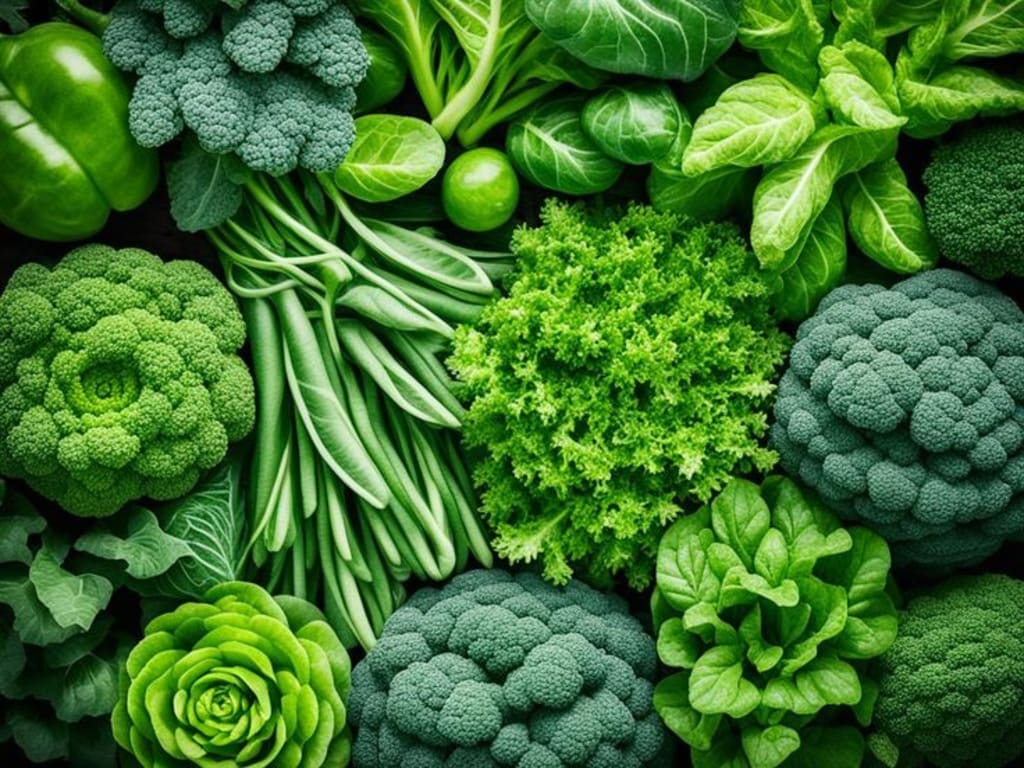
1. Why Vegetables Matter—In Real Life
Vegetables deliver a powerhouse of nutrients—vitamins, minerals, fiber, and antioxidants—that help shield us from chronic diseases like heart disease, diabetes, stroke, and even some cancers . A robust body of research supports this: eating more vegetables correlates strongly with lower risks of ischemic stroke (by about 23 %), ischemic heart disease (around 23 %), hemorrhagic stroke (16 %), esophageal cancer (nearly 29 %), and type 2 diabetes (26 %) .
Another study found that adults consuming over 475 g/day of fruits and vegetables had 34 % lower risk of coronary heart disease compared to those eating under 241 g/day . That’s life-changing.
And the benefits go beyond physical health—there’s growing evidence that eating more produce can boost your mood, energy, and overall sense of well-being. People report feeling calmer, happier, and more energetic on days when they “eat the rainbow” .
2. Smart Eating Patterns Protect and Support
Rather than rigid rules, embracing flexible eating patterns can have the greatest impact:
DASH Diet (Dietary Approaches to Stop Hypertension) emphasizes fruits, vegetables, whole grains, lean proteins, and low-fat dairy. It’s ranked the No. 1 heart-healthy diet and best for blood pressure in 2025 .
Mediterranean Diet focuses on plant foods, healthy fats like olive oil, whole grains, fish, and moderate dairy. Studies show it lowers risk of heart disease, cancer, type 2 diabetes, and may support healthy aging .
Eating whole and minimally processed foods promotes weight loss and reduces cancer risk. In one trial, people who avoided ultra-processed foods lost double the weight despite similar calorie intake .
Not all processed foods are harmful—options like whole-grain cereals, unsweetened yogurt, and canned beans can be smart choices in moderation .
3. Real Talk: My Veggie Story
I used to speed through meals, grabbing whatever was quick—even if it meant skipping greens altogether. One day, I decided to lace my plate with roasted kale, cherry tomatoes, and colorful bell peppers. Over the next week, I noticed my energy surged—I felt lighter, sharper, and honestly, just… happier. That shift wasn’t magic—it was the difference vegetables made: fiber that settled my stomach, vitamins that boosted my mood, and the simple satisfaction of eating something vibrant and nourishing.
Now, I aim for all kinds of vegetables—raw in salads, sautéed, roasted, and even blended into smoothies. That variety keeps meals exciting and ensures I get a wide spectrum of nutrients.
4. Tips to Invite Veggies Into Your Kitchen (Without Stress)
Start small: Add a handful of spinach to your omelet, a few carrot slices on the side, or a colorful pepper into your stir-fry.
Explore forms: Raw crunchy peppers, steamed broccoli, roasted sweet potatoes—all count.
Honor diversity: Mix leafy greens with root veggies, legumes, and vibrant colors. The variety brings flavor and nutritional depth.
For example, kale brings fiber and protective compounds; tomatoes offer lycopene; carrots deliver beta-carotene; broccoli has sulforaphane—all with their own unique powers .
Mind the preparation: Some veggies are most nutritious raw. For example, garlic (rich in allicin), broccoli, kale, beets, and bell peppers retain more nutrients when eaten raw or lightly cooked .
Build meals you enjoy: Pair veggies with proteins and grains you love—think veggie-loaded bowls with beans, grains, avocado, or grilled chicken.
5. Layering Wellness: Mood, Longevity, Heart Health
Each meal filled with vegetables isn’t just fuel—it’s a vote for your future health.
Heart & vessels: Veggies can help regulate blood vessels, lower blood pressure, and reduce inflammation—directly protecting against heart disease and stroke .
Chronic disease prevention: Regular veggie intake shields against cancers, heart disease, diabetes, and may even support cognitive health as we age .
Mental and emotional well-being: Those “feel-good” days? They often start with a plate rich in fresh produce .
Final Thoughts
Eating isn’t just a need—it’s an opportunity to nurture yourself. Vegetables, in all their colorful, earthy, vibrant forms, are among the easiest, most powerful ways to invest in your health, mood, and future. Whether you're sprinkling spinach into your breakfast scramble or building a Mediterranean-style plate at dinner, each bite can mean better well-being.
So go ahead—make your plate beautiful, make it nourishing, and watch how small changes ripple into real, lasting benefits.
About the Creator
Sherooz khan
I write emotional stories, real-life experiences, and motivational thoughts that touch the heart and mind. Follow me for content that inspires, connects, and makes you feel seen, heard, and understood. Let’s tell stories that matter.
Keep reading
More stories from Sherooz khan and writers in Lifehack and other communities.
Small Actions, Big Transformations
We often look for big changes to improve our lives—new jobs, moving to a new city, or starting fresh. But sometimes, the most powerful changes come from small, consistent habits we build every day. It’s the little things we do regularly—not occasionally—that shape the direction of our life.
By Sherooz khan8 months ago in Lifehack
Baton Twirling has mental and physical health benefits for seniors
Baton twirling offers many benefits I had not thought about twirling a baton in many years until today. This morning, I was walking in my backyard when I noticed a small black metal pole. I had walked past this item for many days, but this time, I picked it up.
By Cheryl E Preston4 days ago in Lifehack



Comments
There are no comments for this story
Be the first to respond and start the conversation.