
Normal and diabetic blood sugar ranges
Healthy blood sugar levels

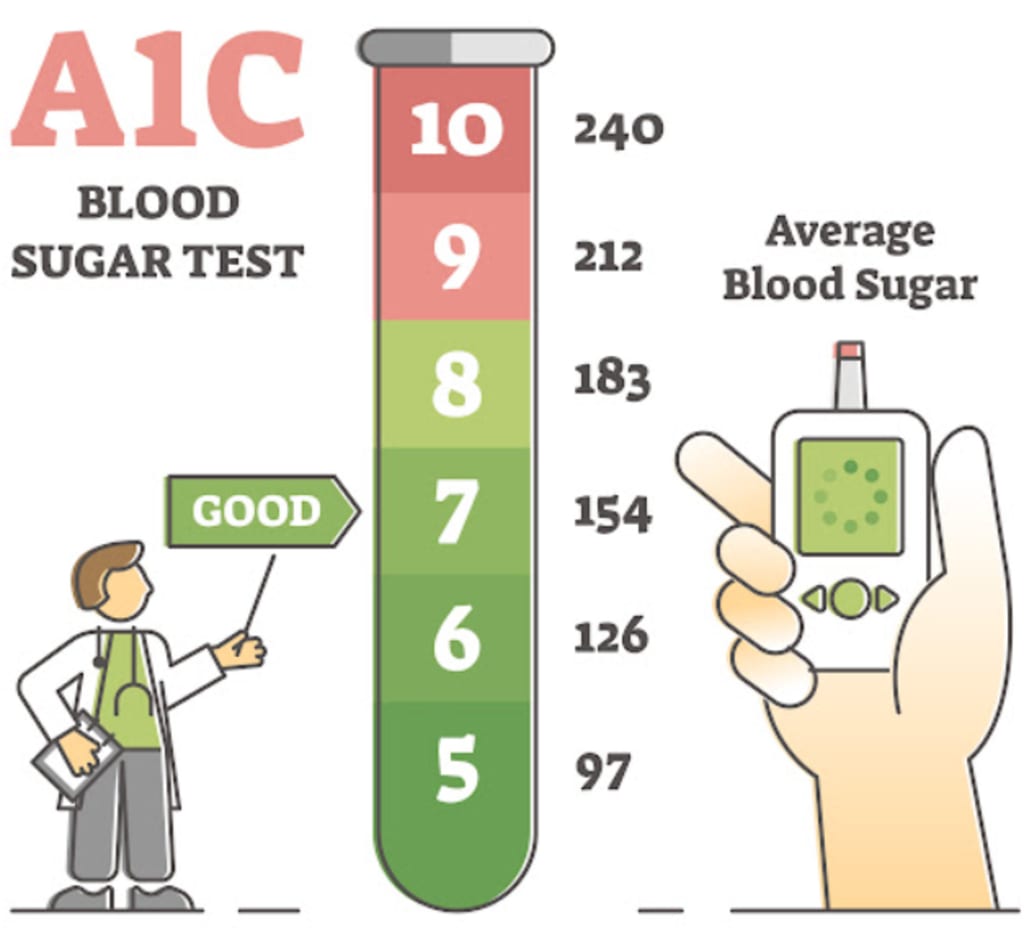
### Mastering the Art of Maintaining Healthy Blood Sugar Levels
In today's fast-paced world, managing our health often takes a backseat to our busy schedules. Yet, maintaining healthy blood sugar levels is crucial for overall well-being, energy stability, and preventing chronic diseases like diabetes. Whether you're looking to improve your health or prevent potential issues down the line, understanding and managing your blood sugar is key. Let’s delve into some practical and sustainable ways to keep your blood sugar levels in check.
---
## Understanding Blood Sugar and Its Importance
Blood sugar, or glucose, is the primary source of energy for our body's cells. It's derived from the food we eat, particularly carbohydrates. Insulin, a hormone produced by the pancreas, helps transport glucose from the bloodstream into cells. When this process is disrupted, blood sugar levels can become too high (hyperglycemia) or too low (hypoglycemia), both of which can have serious health implications.
Maintaining stable blood sugar levels is essential for:
- **Energy Balance**: Preventing the highs and lows that can cause fatigue or jitteriness.
- **Weight Management**: Supporting healthy metabolism and reducing cravings.
- **Mood Stability**: Avoiding mood swings linked to fluctuating glucose levels.
- **Preventing Chronic Conditions**: Reducing the risk of diabetes, heart disease, and other health issues.
---
## Practical Tips for Maintaining Healthy Blood Sugar Levels
### 1. Eat Balanced Meals
Incorporate a mix of macronutrients (carbohydrates, proteins, and fats) in each meal. Carbohydrates provide quick energy, but pairing them with proteins and fats slows their absorption, leading to more stable blood sugar levels.
**Tips**:
- Choose whole grains like oats, quinoa, and brown rice over refined grains.
- Include lean proteins such as chicken, fish, beans, or tofu.
- Add healthy fats like avocados, nuts, and olive oil.
### 2. Monitor Your Carbohydrate Intake
Carbohydrates have the most significant impact on blood sugar. Being mindful of the type and quantity of carbs you consume can help keep levels stable.
**Tips**:
- Opt for complex carbohydrates found in vegetables, legumes, and whole grains.
- Limit intake of simple carbs found in sugary snacks, soft drinks, and processed foods.
- Use tools like the Glycemic Index (GI) to choose foods that have a lower impact on blood sugar.
### 3. Regular Physical Activity
Exercise helps your body use insulin more efficiently and lowers blood sugar levels. Both aerobic exercises (like walking, running, and swimming) and strength training (like lifting weights) are beneficial.
**Tips**:
- Aim for at least 150 minutes of moderate aerobic activity or 75 minutes of vigorous activity each week.
- Incorporate strength training exercises at least twice a week.
- Stay active throughout the day with small actions, such as taking stairs or stretching.
### 4. Stay Hydrated
Water plays a vital role in maintaining blood sugar levels. It helps to dilute the glucose in your bloodstream and supports the kidneys in flushing out excess sugar.
**Tips**:
- Drink at least 8 glasses of water a day.
- Avoid sugary drinks like sodas and fruit juices that can spike blood sugar levels.
- Herbal teas and infused water are great alternatives to plain water.
### 5. Manage Stress
Chronic stress can lead to elevated blood sugar levels due to the release of stress hormones like cortisol and adrenaline. Finding effective ways to manage stress is crucial for blood sugar control.
**Tips**:
- Practice mindfulness techniques such as meditation, deep breathing, or yoga.
- Ensure adequate sleep, as poor sleep can affect stress and blood sugar levels.
- Engage in hobbies or activities that you find relaxing and enjoyable.
### 6. Regular Monitoring
If you have diabetes or are at risk, regularly monitoring your blood sugar levels can provide valuable insights into how your body responds to different foods, activities, and stressors.
**Tips**:
- Use a glucometer to check your blood sugar levels as recommended by your healthcare provider.
- Keep a log of your readings to identify patterns and make necessary adjustments.
- Consider using continuous glucose monitors (CGMs) for real-time tracking.
### 7. Make Healthy Lifestyle Choices
Your overall lifestyle plays a significant role in blood sugar management. Making small, sustainable changes can have a lasting impact on your health.GlucoTru Reviews
**Tips**:
- Avoid smoking, as it can worsen insulin resistance and increase the risk of complications.
- Limit alcohol consumption, as it can cause fluctuations in blood sugar levels.
- Prioritize regular medical check-ups to monitor your health and catch potential issues early.
---
## Conclusion
Maintaining healthy blood sugar levels is a cornerstone of good health. By adopting a balanced diet, staying active, managing stress, and making mindful lifestyle choices, you can keep your blood sugar levels in check and enjoy a vibrant, energetic life. Remember, small, consistent changes are more effective than drastic, short-term efforts. Start incorporating these tips into your daily routine, and you'll be on the path to better health and well-being.
About the Creator
peter
Content about :get rich, do business, and products such as vehicles, watches, shoes, clothes, household appliances
website: https://storebestlife.blogspot.com/
You're alone, because you're lost
Being alone is a fear that one in three adults face WORLDWIDE. Why? Are we scared to be alone because we are faced with all of our thoughts we once tried to suppress? Or are we scared because we feel uncomfortable? Uncomfortable with the idea of being in a room with just you. You and your nasty thoughts. Thoughts like “Damn I should've apologized”, or “Why hasn't he texted me back?” or “I am a failure”. Yea. those thoughts. The forbidden thoughts that come sneak by the midnight hour, ...if you're lucky. You see loneliness doesn't have to be this way. It all starts with you.
By C⃣ h⃣ a⃣ n⃣ e⃣ l⃣7 days ago in Lifehack
Top tipple tricks
Been thinking a lot about drinking, lately. Not least because of a recent episode of over-indulgence and the inevitable after effects. Some readers may recall the earlier articles I wrote about beating the booze. Here I set out an experiment in techniques for cutting down on my alcohol intake. The experiment was successful, the techniques worked, and I have armed myself with an arsenal of weapons in the war against the demon drink. I have yet to fire the first round however. It's all a question of timing (perhaps procrastination).
By Raymond G. Taylor5 days ago in Psyche



Comments
There are no comments for this story
Be the first to respond and start the conversation.