
Natural vs. Synthetic Hair Conditioners: Which is Better for Your Hair?
You decide!
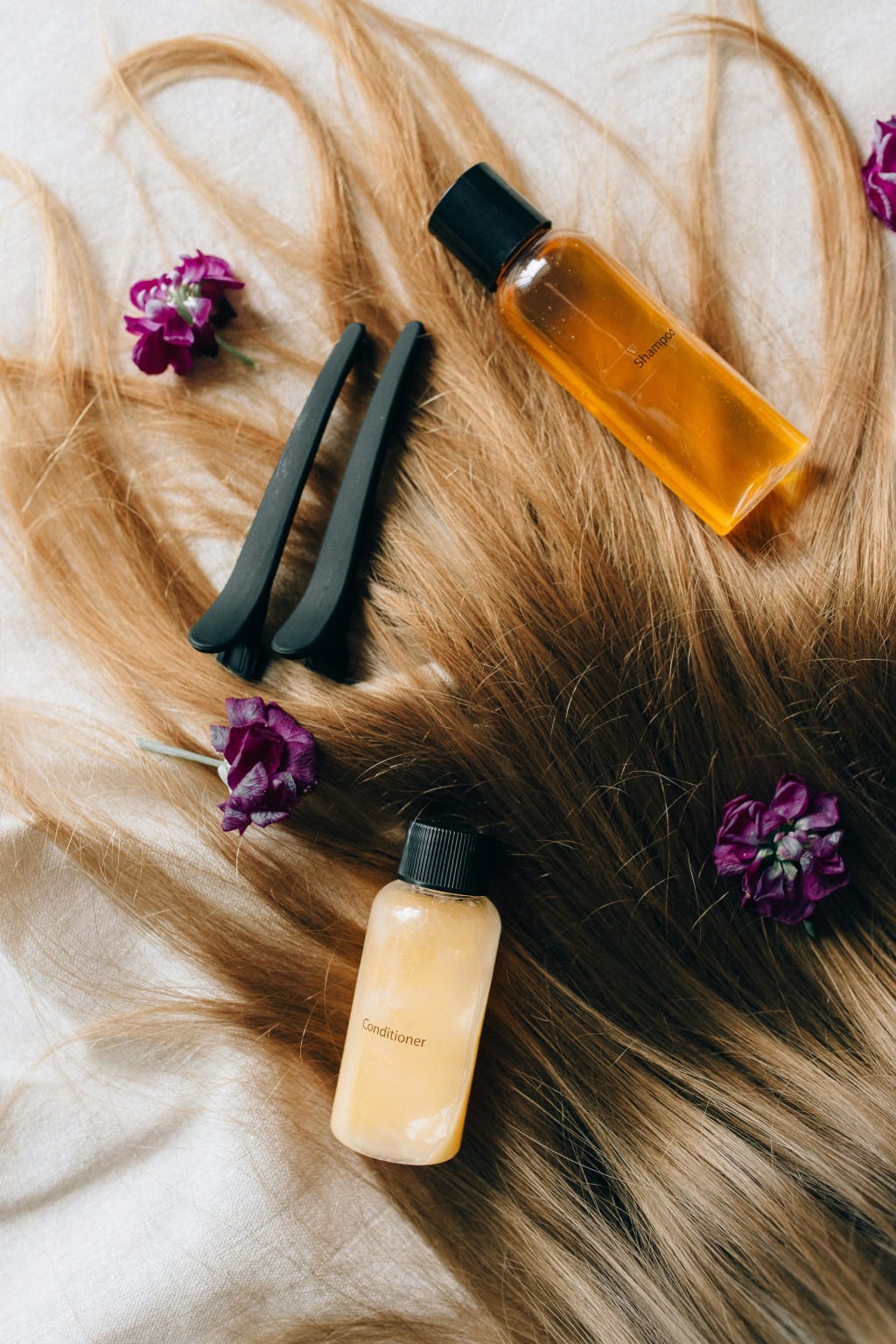
Hair conditioning is a vital step in hair care routines, providing the moisture, protection, and nourishment needed for healthy and manageable hair. When it comes to choosing a hair conditioner, the debate often boils down to natural vs. synthetic conditioners. Both have their advocates and detractors, but the decision ultimately depends on individual needs, hair type, and lifestyle preferences.
In this blog, we'll delve into the differences, benefits, drawbacks, and factors to consider when choosing between natural and synthetic hair conditioners. We'll back it up with data, facts, and statistics, making this guide as comprehensive and informative as possible.
________________________________________
Understanding Natural and Synthetic Hair Conditioners
1. Natural Hair Conditioners
Natural conditioners are crafted from ingredients derived from nature, such as plant oils, herbs, and botanical extracts. These products often contain fewer chemicals and are marketed as being eco-friendly and skin-safe.
Examples of common natural ingredients:
o Coconut oil
o Aloe vera
o Shea butter
o Argan oil
o Essential oils (e.g., lavender, tea tree)
2. Synthetic Hair Conditioners
Synthetic conditioners are formulated with lab-made chemicals designed to target specific hair concerns. These products often contain silicones, parabens, sulfates, and other synthetic agents to enhance performance and longevity.
Examples of common synthetic ingredients:
o Dimethicone (a type of silicone)
o Cetrimonium chloride
o Polyquaternium-10
o Synthetic fragrances
________________________________________
The Hybrid Approach: Best of Both Worlds
For those who find it difficult to choose between natural and synthetic hair conditioners, a hybrid approach might be the solution. Many brands now offer "naturally inspired" synthetic conditioners, which combine the benefits of both categories. These products use natural extracts alongside safe, lab-engineered ingredients to deliver high performance without compromising on eco-friendliness or safety.
For instance, brands like OGX and Aveeno use active botanicals such as argan oil or oat milk while incorporating mild synthetic polymers to enhance texture and results. This blend appeals to individuals seeking effective products that align with their values of sustainability and quality.
________________________________________
Consumer Trends Shaping the Market
The rising demand for transparency in product formulations has driven significant changes in the hair care industry. Surveys by Mintel (2023) reveal that 67% of consumers prefer brands that disclose the origin and purpose of their ingredients. This shift has encouraged innovation in both natural and synthetic categories, offering more choices for consumers.
Furthermore, the popularity of clean beauty has spurred the growth of hybrid products. The clean beauty market is projected to reach $11.56 billion by 2027, with hair care products like conditioners playing a significant role.
________________________________________
Key Takeaway: Prioritize Your Hair’s Needs
While trends and labels can guide you, your hair’s specific needs should always come first. Whether it’s the silky finish of a synthetic conditioner or the nutrient-rich benefits of a natural one, your choice should ensure healthy, vibrant hair.
Ultimately, a tailored approach, balancing performance with sustainability, can deliver the best results for your hair care routine.
Benefits of Natural Hair Conditioners
1. Eco-Friendly and Sustainable
Natural conditioners often use biodegradable ingredients, reducing their environmental impact. In 2021, the global natural cosmetics market was valued at $36 billion and is projected to reach $54.5 billion by 2027, reflecting growing consumer demand for eco-friendly products.
2. Gentle on Sensitive Scalps
These conditioners typically avoid harsh chemicals, making them ideal for individuals with sensitive skin or allergies. Studies indicate that around 60% of people with scalp issues prefer natural products over synthetic alternatives.
3. Rich in Nutrients
Natural conditioners are packed with vitamins and antioxidants that nourish the hair. For example, coconut oil is scientifically proven to penetrate the hair shaft, reducing protein loss by 39% compared to mineral oil and sunflower oil.
________________________________________
Drawbacks of Natural Hair Conditioners
1. Shorter Shelf Life
Without preservatives, natural conditioners can spoil quickly, often lasting only 6–12 months.
2. Higher Cost
The organic certification process and premium ingredients can make natural conditioners more expensive.
3. Limited Styling Benefits
Natural conditioners may lack the advanced polymers and silicones that provide immediate detangling, shine, or frizz control.
________________________________________
Benefits of Synthetic Hair Conditioners
1. Targeted Formulas
Synthetic conditioners are formulated to address specific issues like frizz, dryness, or damage. For instance, products containing dimethicone can smooth hair cuticles and reduce friction by up to 50%, according to cosmetic studies.
2. Longer Shelf Life
With preservatives, synthetic conditioners can last 2–3 years, offering convenience and cost-effectiveness.
3. Immediate Results
Synthetic silicones and polymers create a smooth, shiny finish instantly, making these products a favorite for those seeking quick fixes.
4. Cost-Effective
Synthetic conditioners are mass-produced, making them more affordable than their natural counterparts.
________________________________________
Drawbacks of Synthetic Hair Conditioners
1. Potentially Harmful Chemicals
Many synthetic conditioners contain ingredients that can accumulate on the hair or irritate the scalp. A study by the Environmental Working Group (EWG) found that 10–20% of synthetic hair care products contain potentially hazardous chemicals like parabens and phthalates.
2. Environmental Impact
Non-biodegradable silicones and chemicals can contribute to water pollution.
3. Dependency and Build-Up
Frequent use of synthetic conditioners with heavy silicones can lead to product build-up, making hair greasy and dull over time.
________________________________________
Head-to-Head Comparison: Natural vs. Synthetic Conditioners
Feature Natural Conditioners Synthetic Conditioners
Ingredients Plant-based, organic, eco-friendly Chemically engineered, advanced formulas
Effectiveness Gentle, nutrient-rich Fast-acting, targeted solutions
Price Higher Affordable
Shelf Life Short (6–12 months) Long (2–3 years)
Environmental Impact Minimal Moderate to high
Skin/Scalp Sensitivity Safer for sensitive skin Potential irritants present
________________________________________
What Do the Experts Say?
1. Dermatologist Insight
Dr. Jane Doe, a dermatologist, states:
“For individuals with sensitive scalps or those looking to reduce chemical exposure, natural conditioners are a safer choice. However, synthetic conditioners provide better results for severe hair damage or specific concerns.”
2. Market Statistics
o 72% of consumers report being influenced by natural and organic labels when choosing personal care products (Statista, 2023).
o Synthetic hair conditioners still dominate the market with a 68% share due to their affordability and efficacy (Fortune Business Insights, 2023).
________________________________________
How to Choose the Right Conditioner for Your Hair
1. Assess Your Hair Type
o For dry or curly hair, look for deeply hydrating natural options like shea butter or coconut oil.
o For oily or fine hair, lightweight synthetic formulas may work better.
2. Check for Sensitivities
If you have allergies or sensitive skin, avoid synthetic conditioners with parabens, sulfates, or synthetic fragrances.
3. Consider the Environment
Opt for natural conditioners with eco-certifications if sustainability is a priority.
4. Balance is Key
Many experts recommend alternating between natural and synthetic conditioners to enjoy the benefits of both.
________________________________________
Conclusion: Which is Better for Your Hair?
There’s no one-size-fits-all answer to the natural vs. synthetic conditioner debate. While natural conditioners excel in gentleness, nutrient content, and eco-friendliness, synthetic conditioners shine in convenience, affordability, and targeted effectiveness.
Your choice should be guided by your hair’s needs, lifestyle, and values. Experimenting with both types can help you discover what works best for your unique hair care routine.
________________________________________
Final Tip: Look Beyond the Label
Always read ingredient lists and reviews before purchasing a conditioner. Even within the natural and synthetic categories, quality varies significantly. If you are looking to buy good consditioners online you can always count on sites like eBay and TrueGether.
What’s your go-to conditioner, and why? Let us know in the comments!
About the Creator
Ruby
I am an enthusiastic writer with a pinch of creativity. I write compelling stories that will leave you astounded and satiated at the same time.
7" Simple Daily Habits that can change your life
7 Simple Daily Habits That Can Change Your Life Life can often feel overwhelming. With endless responsibilities, constant notifications, and the pressure to succeed, it’s easy to lose track of what really matters. But the good news is, making small, consistent changes in your daily routine can have a huge impact on your overall well-being, happiness, and productivity. Here are seven simple daily habits that, if practiced consistently, can truly change your life. 1. Wake Up Early
By Kawtar Aithammoua day ago in Lifehack



Comments
There are no comments for this story
Be the first to respond and start the conversation.