
Nasal Endoscopy: How A Nose Scope Procedure Accurately Diagnoses Nasal Blockages
It is commonly known as a "nose scope" and implements minimally invasive procedures.

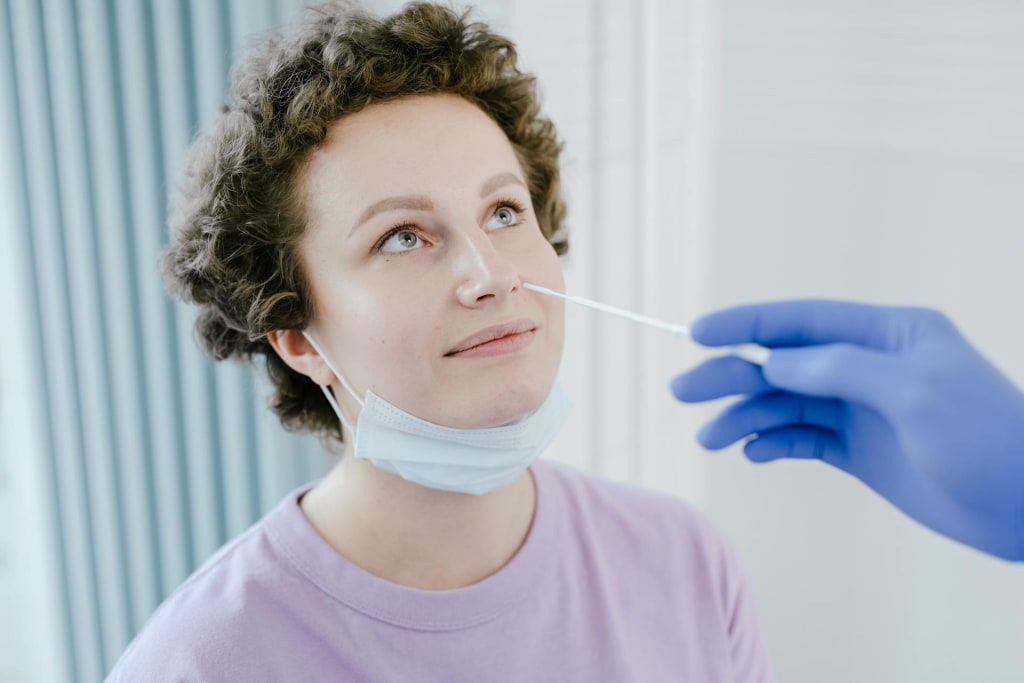
If you suffer from nasal blockages or any other nasal symptoms, then nasal endoscopy is the most recommended procedure to cure it. It is commonly known as a "nose scope" and implements minimally invasive procedures. If you are diagnosed with chronic sinusitis, nasal polyps, and structural abnormalities, you must undergo this procedure. So, let's help you gain complete insight into the procedure used to diagnose a nasal blockage so that you can make an informed decision at the time of need.
• What is Nasal Endoscopy?
During this endoscopy, a thin, flexible tube called an endoscope is inserted through the nostrils, equipped with a light and camera. This tool helps to provide real-time, high-resolution images so that the ENT specialist can closely examine the nasal passages and sinuses. Usually, the procedure is performed in a clinic and gets over within a few minutes. A numbing solution would be sprayed inside these passages so the patient doesn't feel discomfort. patient might feel mild pressure but no pain. A runny nose can occur during or after the procedure, but it is temporary. The endoscopy is non-surgical which are displayed on the monitor. Later, the doctor can review these images and real-time footage to conclude.
• Why is Nasal Endoscopy Essential for Diagnosing Nasal Blockages?
These blockages arise for various reasons, including inflammation, structural defects, or the growth of a polyp. This endoscopy allows for a closer view of the nasal and sinus area than traditional examination methods. Thus, the ENT specialist gets a clear, direct visualization, which helps them make an accurate diagnosis and treatment plan. Common conditions that are diagnosed using a this endoscopy are:
1. Chronic sinusitis,
2. Nasal polyps,
3. Deviated septum causing chronic breathing issues,
4. Tumours or foreign objects lodged in the nasal cavity.
• Benefits of Nasal Endoscopy
It comes with numerous benefits, which help to enhance diagnostic accuracy and curate a perfect patient care plan:
1. This endoscopy requires minimal invasive procedures, no incisions, and a non-significant discomfort level.
2. The entire procedure can be completed in less than 15 minutes, so one does not need to undergo multiple diagnostic processes.
3. It can help provide accurate diagnosis and enable doctors to create targeted treatment plans.
4. Fitted with a camera, ENT specialists can undergo Live imaging, which allows doctors to assess the severity of the medical condition and help diagnose complex cases.
• What to Expect During a Nasal Endoscopy?
During the endoscopy, the patients are seated in a reclining position, and topical anesthesia is sprayed to numb the nasal passages. The doctor next inserts the endoscope into the nostril and slowly pushes it through the nasal cavity until it reaches the sinuses. The camera is used to capture multiple images, which are displayed on the monitor. Later, the doctor can review these images and real-time footage to conclude. The process is repeated in both nostrils for a complete examination. Click https://drkhliment.com.sg/ent-nasal-endoscopy-nasoendoscopy to find out more.
Conclusion
During the procedure, the patient might feel mild pressure but no pain. A runny nose can occur during or after the procedure, but it is temporary. The endoscopy is non-surgical and takes only a few minutes to complete. No recovery time phase is required, and the patients can return to their daily routine instantly. ENT specialist can closely examine the nasal passages and sinuses. Usually, the procedure is performed in a clinic and gets over within a few minutes. gain complete insight into the procedure used to diagnose a nasal blockage so that you can make an informed decision at the time of need. However, your ENT specialist might recommend avoiding nasal sprays or going to any strenuous activities for at least 5 to 6 hours.
About the Creator
Keep reading
More stories from Silvia Watson and writers in Lifehack and other communities.
Choosing the Best Cochlear Implant Specialist: Your Path to Hearing Recovery
With time, experiencing deterioration in the hearing capacity is not uncommon. Like other body organs, the ears lose efficacy with age, and certain other factors can further diminish their working capacity. While using medications and hearing aid devices helps improve the hearing prowess in some people, others may require more effective and specialized treatment. With cochlear implants, individuals facing severe hearing loss can get a new lease of life.
By Silvia Watsonabout a year ago in Lifehack
What to Expect From Mobile App Development Teams in Miami?
Miami’s tech ecosystem grew fast and unevenly. According to Statista, Florida’s digital economy expanded by over 17 percent between 2022 and 2025, pulling in agencies, freelancers, boutique firms, and offshore-linked teams at very different maturity levels.
By Mike Pichaiabout 17 hours ago in Lifehack
Snapchat Account Hack in 2026: The Real Methods and How to Protect Yourself
Your Snaps Aren't as Disappearing as You Think When you send a Snap, you probably believe it vanishes into the digital void after being viewed. This illusion of ephemerality creates a dangerous false sense of security for millions of Snapchat users. Behind the playful lenses and streaks lies a constant, hidden battle for account access—a battle where your personal conversations, photos, and location data are the prize. Understanding this landscape isn't about promoting hacking; it's about empowering you with the knowledge to build digital fortresses around your private life.
By Alexander Hoffmanna day ago in Lifehack
Wild Card Weekend Recap: What Happens Now?
I think I figured out why I love Wild Card Weekend so much. It's because it's the first playoff anything of the calendar year. The NFL season starts in the fall, and once upon a time, the champion was crowned either on or slightly before New Year's. The evolution of the NFL schedule has resulted in the playoffs starting just into the New Year, and currently, the final week of the season falls on the first weekend of the New Year, with Wild Card Weekend coming a week after that. So yes, chronologically, the NFL's Wild Card Weekend serves as the first playoff anything of the calendar year.
By Clyde E. Dawkins7 days ago in Unbalanced



Comments
There are no comments for this story
Be the first to respond and start the conversation.