
Most Nutritious Food in the World That Surpass Even Some Vegetables
Vegetables are an important part of healthy diet since they are full of important vitamins,minerals,antioxidants and fiber.

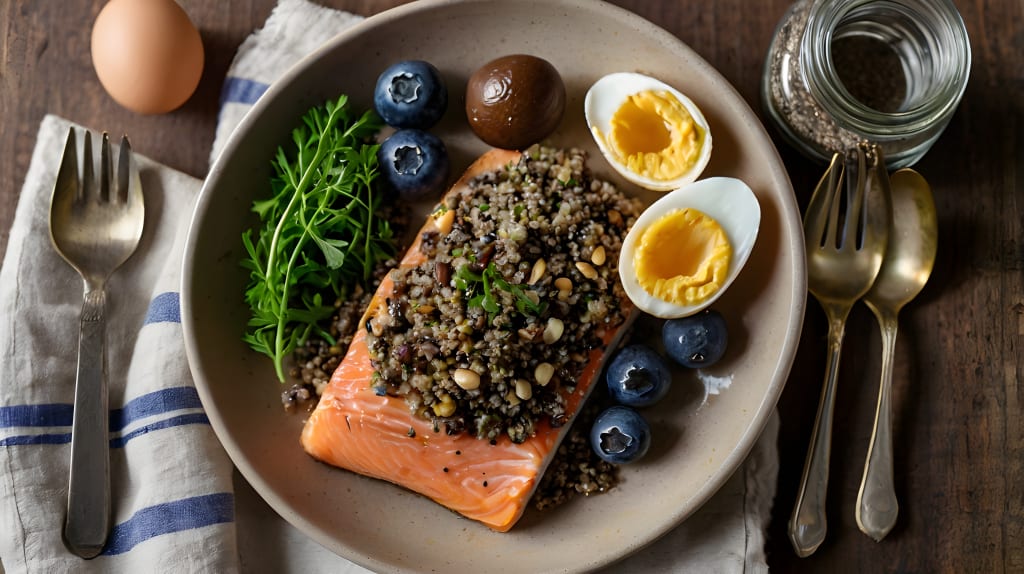
Most Nutritious Foods in the World That Surpass Even Some Vegetables
Eating more vegetables is frequently associated with healthy eating. And with good reason—vegetables are an important part of a healthy diet since they are full of important vitamins, minerals, antioxidants, and fiber. But in other ways, some foods are superior to vegetables, offering a remarkable nutrient density that is highly advantageous to human health.
These "super foods" are distinguished by their distinct nutritional profiles, and they can enhance a diet high in vegetables to promote overall health. Ten of the healthiest foods in the world are examined in this article, along with their nutrient content, health advantages, and dietary suggestions.
1. Salmon: The Best Food for Healthy Heart and Brain
Fatty fish like salmon are prized for having high levels of omega-3 fatty acids, especially EPA (eicosapentaenoic acid) and DHA (docosahexaenoic acid). These long-chain fatty acids are essential for maintaining cardiovascular health, lowering inflammation, and fostering the best possible brain performance. Salmon is a true nutritional powerhouse because it is also a strong source of selenium, vitamin D, and high-quality protein.
Nutritional Insights:
Omega-3 Fatty Acids: Lower the risk of heart attack and stroke, enhance blood vessel function, and lower triglyceride levels.
Vitamin D: A fat-soluble vitamin that is necessary for strong bones and calcium absorption.
Selenium: Promotes thyroid health and prevents cellular damage by acting as an antioxidant.
B vitamins: Help the nervous system and increase energy levels.
What Research Says:
According to research, eating salmon and other fatty fish on a daily basis lowers your chances of heart disease, depression, and cognitive decline. Eating salmon twice a week dramatically raised omega-3 levels in those with heart disease, according to a seminal study published in The American Journal of Clinical Nutrition.
Culinary Tip: To maintain the salmon's delicate flavor and nutrients, bake it with olive oil, garlic, and herbs. You can also grill it with a squeeze of lemon.
2. Eggs: A Perfect Nutritional Package
It's common to refer to eggs—especially the yolks—as nature's multivitamin. They contain all nine of the essential amino acids, making them a great source of complete protein. Along with vitamins A, D, E, and K, the yolk is especially high in choline, a substance vital for prenatal development and brain health. Eggs are also a cost-effective way to get high-quality nourishment.
Nutritional Insights:
Choline: Essential for liver health, memory, and cognitive growth.
Zeaxanthin and lutein: antioxidants that shield the eyes from macular degeneration brought on by aging.
Vitamin D: One of the rare natural food sources of this essential nutrient is vitamin D.
Selenium: Serves as an antioxidant and increases immunity.
Dispelling Myths:
Despite antiquated notions, most people's blood cholesterol levels do not increase noticeably when they consume reasonable amounts of eggs. Eggs can be included in a diet that promotes heart health, according to recent research.
Culinary Tip: Poached eggs add taste and nutrients to avocado toast, while hard-boiled eggs make a great portable snack.
3. Blueberries: The Antioxidant King
Many people claim that blueberries are the fruit with the highest antioxidant content. Their intense blue hue is a result of the antioxidants called anthocyanins, which are abundant in them. These substances fight oxidative stress, lessen inflammation, and may minimize the chance of developing chronic illnesses like diabetes, heart disease, and cancer.
Nutritional Insights:
Anthocyanins: Improve brain health and shield cells from damage caused by free radicals.
Vitamin C: Promotes collagen synthesis and fortifies the immune system.
Fiber: Helps keep blood sugar levels stable and supports digestive health.
Vitamin K: Promotes bone health and controls coagulation.
Scientific Evidence:
Blueberries have been shown to enhance memory and cognitive performance, especially in older persons, according to research published in The Journal of Agricultural and Food Chemistry.
Culinary Tip: Blueberries can be eaten fresh as a low-calorie snack, blended into smoothies, or sprinkled over porridge.
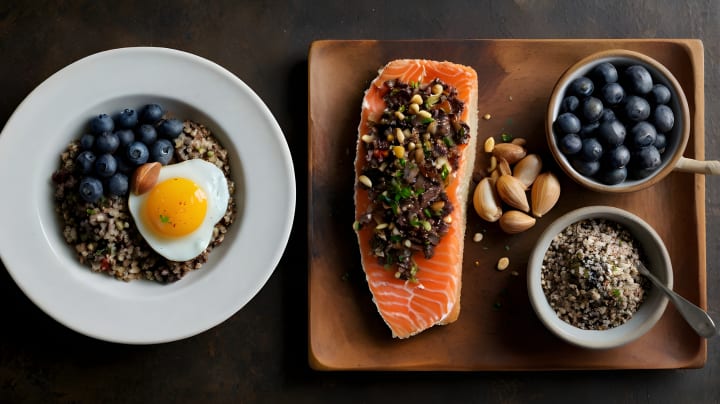
4. Beef Liver: The Unsung Nutritional Hero
One of the foods with the highest nutrient content in the world is organ meats, especially beef liver. Liver is a great option for addressing nutrient deficiencies because of its extraordinarily high levels of vitamin A, iron, and B vitamins. Its distinct nutritional profile promotes immunological function, energy production, and eyesight.
Nutritional Insights:
Vitamin A: Supports immune system, skin, and visual health.
Heme Iron: Extremely bioavailable and essential for blood oxygen transport.
Zinc and copper: Zinc and copper are essential for immunological response and enzymatic processes.
B12: Vital for the production of red blood cells and the health of the brain system.
Why It Is Important :
Iron can be present in plant-based foods like spinach, but the heme iron in the liver is more accessible than the non-heme iron in plants. Because of this, the liver is especially beneficial for people who are at risk of anemia.
Culinary Tip: To hide the liver's strong flavor and yet benefit from it, sauté it with onions or combine it into dishes like meatloaf.
5. Shellfish: Nutrient Treasures from the Sea
Despite being high in nutrients, shellfish—such as oysters, clams, and mussels—are frequently overlooked. With more zinc per serving than any other food, oysters are unmatched in this regard. Vitamin B12 is abundant in clams, while mussels are a great source of iron, omega-3 fatty acids, and selenium.
Nutritional Insights:
Zinc: Promotes DNA synthesis, wound healing, and immunological function.
Vitamin B12: Essential for nerve and energy function.
Omega-3s: Promote cardiovascular health and lessen inflammation.
Protein: A full and lean source of protein.
Why It Is Better Than Vegetables
High levels of bio-available minerals, such as zinc and selenium, which are scarcer in most plants, are found in shellfish.
Culinary Tip: For a quick but wholesome meal, steam shellfish and serve with a squeeze of lemon.
6. Almonds: The Healthy Fat Champion
Almonds are a great illustration of how tasty and nourishing plant-based foods can be. They are a great snack for weight control and heart health since they are high in fiber, vitamin E, and monounsaturated fats.
Nutritional Insights:
Vitamin E: Protects cells and skin from harm by acting as a potent antioxidant.
Magnesium: Helps control blood sugar levels and supports muscle function.
Fiber and protein: Enhance digestion and preserve fullness.
Good Fats: Promote heart health and lower LDL cholesterol.
Why It Is Better Than Vegetables
Almonds are a more handy source of magnesium than vegetables like spinach because they offer a higher concentration in a smaller serving.
Culinary Tip: Use almond flour in baking or add almonds to salads and trail mixes.
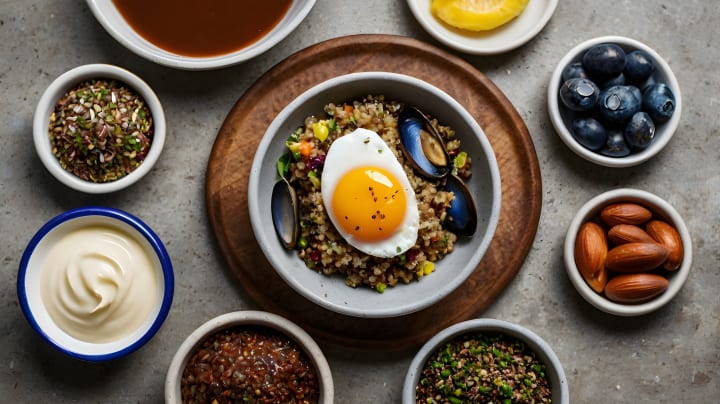
7. Greek Yogurt: A Gut-Healthy Delight
Probiotics, which support intestinal health, are abundant in Greek yogurt and contribute to its high protein level. It is a flexible and nutrient-dense choice for every meal because it is also high in calcium, potassium, and B vitamins.
Nutritional Insights:
Probiotics: Enhance digestion and maintain a balanced gut microbiota.
Calcium: Fortifies teeth and bones.
Protein: Encourages fullness while repairing and constructing tissues.
Potassium: Aids in blood pressure regulation.
Why It Is Better Than Vegetables
Calcium can be found in vegetables like broccoli, but probiotics found in Greek yogurt improve digestion and nutritional absorption.
Culinary Tip: Make salad dressings, dips, and smoothies using plain Greek yogurt.
8. Quinoa: The Plant-Based Protein Star
Quinoa is a popular pseudo-grain among vegetarians and vegans since it is gluten-free and offers a complete protein. Additionally, it is a great source of manganese, magnesium, and fiber.
Nutritional Insights:
Complete protein: All nine of the necessary amino acids are present in complete protein.
Magnesium: Promotes energy production and muscular relaxation.
Fiber: Maintains blood sugar levels and enhances digestion.
Gluten-Free: Ideal for anyone with gluten intolerance or celiac disease.
Why It Is Better Than Vegetables
Quinoa provides both fiber and protein in a single meal, whereas leafy greens are high in fiber.
Culinary Tip: Quinoa can be used as a foundation for breakfast bowls, stir-fries, and salads.
9. Sardines: The Little Fish with Big Benefits
Sardines are tiny, fatty fish that are good for the environment and high in nutrients. They are frequently eaten whole, supplying extra minerals from their bones, and are high in calcium, vitamin D, and omega-3 fatty acids.
Nutritional Insights:
Omega-3 Fatty Acids: Promote heart health and lessen inflammation.
Calcium: Helps maintain healthy teeth and bones.
Coenzyme Q10: Promotes heart health and cellular energy production.
Why It Is Better Than Vegetables
Compared to larger fish, low mercury levels are safer.
Culinary Tip: For an easy and wholesome snack, mash sardines into spreads or serve them on crackers.
10. Dark Chocolate: A Sweet Super food
In addition to being a tasty treat, dark chocolate that contains at least 70% cacao is a potent source of flavonoids and other antioxidants. Minerals including copper, magnesium, and iron are also present.
Nutritional Insights:
Flavonoids: Lower blood pressure and increase blood flow to improve heart health.
Magnesium: Promotes healthy neurons and muscle function.
Mood Enhancer: Promotes serotonin and endorphin synthesis.
Why It Is Better Than Vegetables
Antioxidants can be found in certain foods, but dark chocolate offers a special combination of health advantages, including improving mood.
Culinary Tip: Use it in baking recipes or eat a small slice every day.
Conclusion :
Vegetables are still essential for a balanced diet, but you may improve it by including these ten items that are high in nutrients. These meals, which range from omega-3-rich salmon to antioxidant-rich dark chocolate, provide unmatched health benefits that, in some cases, even outweigh those of some veggies. The secret to optimum health and longevity is a well-rounded diet that incorporates these super foods with a range of fruits, vegetables, and entire grains.
About the Creator
Kate Lynch
I am a professional content writer.
Keep reading
More stories from Kate Lynch and writers in Lifehack and other communities.
An Amazing 2,700-Km Road Trip in Five Days from Coimbatore to Dehradun
Traveling 2,700 kilometers over five days by car from Coimbatore, Tamil Nadu, to Dehradun,Uttarakhand, is an experience that promises adventure, discovery, and unparalleled experiences. It is a celebration of India's cultural diversity, a test of endurance, and a display of its geographical diversity. Let's examine this journey in great detail, day by day, covering all the important details and helpful advice.
By Kate Lynchabout a year ago in Lifehack
Understanding Fabric Durability: How the Martindale Tester Shapes Modern Textile Quality
In the textile industry, durability is one of the most important indicators of product quality. From everyday clothing and upholstery to industrial and protective materials, fabrics are constantly exposed to friction, pressure, and repeated use. To evaluate how well a material performs under such conditions, laboratories rely on standardized testing methods. One of the most widely recognized tools for this purpose is the Martindale Tester, an instrument designed to assess fabric abrasion resistance and pilling behavior in a controlled, repeatable manner.
By Shazad Khana day ago in Lifehack
Forgotten Packing Items That Make Port A Rentals Guest-Friendly
Stepping into a vacation rental should feel like a home away from home, with a clean space, cozy beds, and, perhaps, a great view to unwind. But sometimes, even the best-planned trips can be disrupted by an unexpected challenge when guests forget to pack a few essentials.
By The Mayan Princess5 days ago in Lifehack




Comments
There are no comments for this story
Be the first to respond and start the conversation.