
Mental Health Matters: Tips for Improving Your Wellbeing
Explore the benefits of self-care, mindfulness, and social connection in promoting good mental health.

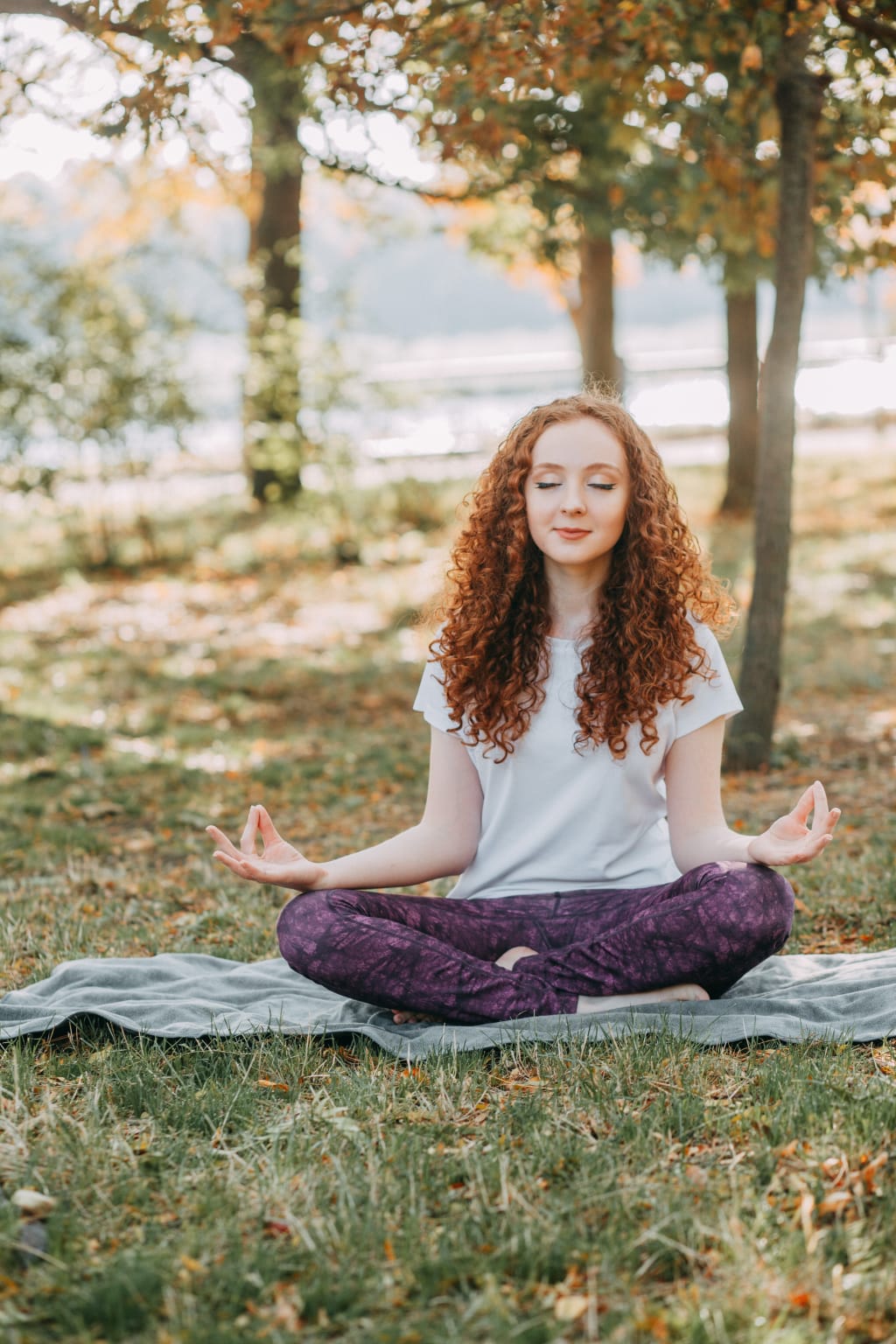
Mental health is a crucial aspect of our overall wellbeing. It affects how we think, feel, and behave, and impacts our relationships, work, and quality of life. Yet, despite its importance, mental health is often neglected, and many people struggle with issues such as stress, anxiety, and depression. The good news is that there are steps we can take to improve our mental wellbeing and build resilience. In this article, we’ll explore some practical tips and strategies for promoting good mental health and maintaining a healthy mindset.
- Prioritize Self-Care
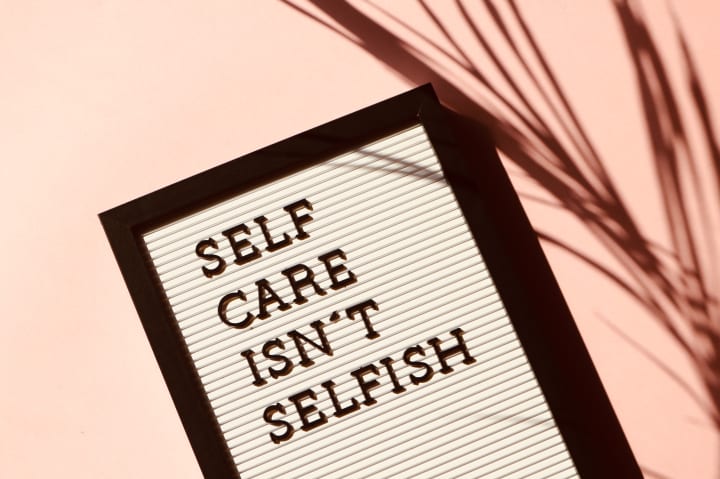
Self-care refers to activities and practices that help us take care of our physical, emotional, and mental needs. It involves treating ourselves with kindness, respect, and compassion, and making our wellbeing a top priority. Self-care is essential for mental health, as it helps us reduce stress, manage emotions, and maintain a sense of balance and purpose.
There are many ways to practice self-care, depending on your preferences and lifestyle. Some examples include:
Getting enough sleep: Sleep is crucial for mental health and wellbeing, as it allows our bodies and minds to rest and recharge. Aim for 7-9 hours of sleep per night, and establish a regular sleep routine.
Eating a healthy diet: Nutrition plays a significant role in mental health, as it affects our mood, energy levels, and cognitive function. Eat a balanced diet that includes plenty of fruits, vegetables, whole grains, and lean proteins.
Exercising regularly: Exercise is a natural mood booster, as it releases endorphins and reduces stress hormones. Aim for at least 30 minutes of physical activity per day, whether it’s walking, running, yoga, or weightlifting.
Relaxing and unwinding: Make time for activities that help you relax and unwind, such as taking a bubble bath, reading a book, or listening to music. Engage in hobbies or pastimes that bring you joy and fulfillment.
Saying no: Learn to set boundaries and say no to activities or obligations that drain your energy or cause undue stress. Prioritize your own needs and wellbeing, and don't feel guilty for taking time for yourself.
By prioritizing self-care, you can reduce stress, improve your mood, and promote good mental health.
- Connect with Others
Social connection is another crucial aspect of mental health. Humans are social creatures, and we thrive on social interaction and support. Studies show that people who have strong social connections are happier, healthier, and more resilient than those who are isolated or lonely.
There are many ways to connect with others, depending on your personality and interests. Some examples include:
Spending time with friends and family: Make time for social activities with the people you care about, whether it’s having dinner together, watching a movie, or taking a walk in the park.
Joining a group or club: Join a group or club that interests you, whether it’s a book club, a sports team, or a hobby group. You’ll meet like-minded people and have opportunities to socialize and have fun.
Volunteering: Volunteer for a cause or organization that aligns with your values and passions. You’ll meet other volunteers who share your interests and make a positive impact in your community.
Seeking therapy or counseling: If you’re struggling with mental health issues, consider seeking professional help. A therapist or counselor can provide a safe and supportive environment to talk about your concerns and develop coping strategies.
By connecting with others, you can build a support network, increase your sense of belonging, and improve your mental health.

- Practice Mindfulness
Mindfulness is the practice of being present and fully engaged in the moment. It involves paying attention to your thoughts, feelings, and sensations without judgment, and accepting them as they are. Mindfulness has been shown to reduce stress, anxiety, and depression, and improve overall wellbeing.
There are many ways to practice mindfulness, depending on your preferences and lifestyle. Some examples include:
Meditation: Meditation is a popular mindfulness practice that involves sitting quietly and focusing on your breath or a specific object. It can help calm the mind and promote relaxation.
Yoga: Yoga combines physical movement with breath awareness and can help improve flexibility, strength, and balance while also promoting mindfulness.
Mindful breathing: Taking a few deep breaths and focusing on the sensation of air moving in and out of your body can help you become more present and calm.
Mindful walking: Going for a walk and focusing on the sensation of your feet touching the ground can be a simple and effective way to practice mindfulness.
Mindful eating: Eating slowly and savoring each bite can help you become more aware of the tastes, textures, and smells of your food and promote mindful eating.
By practicing mindfulness, you can improve your focus, reduce stress, and enhance your overall wellbeing.

- Learn to Manage Stress
Stress is a common trigger for mental health issues, so it's important to learn how to manage it effectively. Identify your stress triggers and develop strategies to help you cope with them. These could include deep breathing exercises, taking a walk, or talking to a friend. Also, don't hesitate to seek professional help if your stress levels become unmanageable.
- Set Achievable Goals
Goal-setting is an important aspect of personal development and can be a powerful tool for improving mental health. Setting achievable goals gives you a sense of purpose and direction, and can help you feel more in control of your life.
When setting goals, it’s important to choose ones that are realistic and meaningful to you. Some tips for setting achievable goals include:
Start small: Break your goals down into small, manageable steps that are easy to accomplish. This will help you build momentum and stay motivated.
Be specific: Make sure your goals are clear and specific. Instead of saying “I want to exercise more,” say “I want to go for a 30-minute walk three times a week.”
Write them down: Writing down your goals can help you clarify your intentions and make them more tangible.
Celebrate your progress: Celebrate each milestone and accomplishment along the way. This will help you stay motivated and build confidence.
By setting achievable goals, you can increase your sense of purpose, build confidence, and improve your mental health.

- Seek Help When Needed
Finally, it’s important to recognize when you need help and seek it out. Mental health issues are common, and it’s okay to ask for help when you need it. Some signs that you may benefit from professional help include:
- Persistent feelings of sadness or hopelessness
- Difficulty sleeping or sleeping too much
- Loss of interest in activities you used to enjoy
- Changes in appetite or weight
- Difficulty concentrating or making decisions
- Thoughts of self-harm or suicide
If you’re experiencing any of these symptoms, it’s important to reach out for help. Talk to your healthcare provider, a mental health professional, or a crisis helpline. You don't have to face mental health issues alone.
In conclusion, mental health matters, and it’s important to take steps to promote good mental health and wellbeing. By prioritizing self-care, connecting with others, practicing mindfulness, setting achievable goals, and seeking help when needed, you can improve your mental health and build resilience. Remember that mental health is a journey, and it’s okay to take it one step at a time.
About the Creator
Hope2121
Hi there! My name is Hope. I have a passion for words and love nothing more than crafting compelling content that informs, entertains, and inspires readers.
Instagram: @hope_21_21
How to Achieve Success through Daily Habits
Majority of us strive for success. Nevertheless, many of us struggle to accomplish it. We frequently wonder what it is that successful people do that we are not doing. The truth is, Luck or talent alone aren't enough to guarantee success, it's about daily habits that successful people practice consistently.
By Hope21213 years ago in Motivation
Why an Ergonomic Foot Rest Is One of the Most Underrated Remote Work Tools
Remote work has made many people rethink how they set up their workspaces. While most attention goes to desks, chairs, and monitors, one essential item is often overlooked: an ergonomic foot rest. It may seem like a minor accessory, but for anyone spending long hours seated at a desk, a foot rest can play a surprisingly important role in comfort, posture, and overall well-being.
By Bahati Mulishi5 days ago in Lifehack
A City of Transitions
Killeen, Texas, is a place where movement feels natural. People arrive with anticipation, settle into routines, and eventually prepare to leave, often sooner than expected. This pattern is not a flaw of the city. It is part of its identity. Anchored by Fort Cavazos, Killeen exists in a constant state of transition, shaped by lives that intersect briefly before continuing elsewhere.
By House Doctora day ago in Lifehack
Super Bowl LX Recap: A Team Called Hawks
Sixty. The Super Bowl turned 60! Still amazes me that this was the sixtieth Super Bowl played in NFL history. It seems like yesterday that I watched Super Bowl XXVII, the first SB I ever watched. The QB who won Super Bowl XXVII has since called a few SBs, and will call next year's game, but that's another story. Super Bowl LX took place at Levi's Stadium in Santa Clara, California, the home stadium of the San Francisco 49ers. However, it was one of their division foes who represented the NFC, as the Seattle Seahawks faced off against the New England Patriots.
By Clyde E. Dawkins3 days ago in Unbalanced




Comments
There are no comments for this story
Be the first to respond and start the conversation.