
Men, Watch Out for These Symptoms: Could It Be a Reproductive Infection?
Don’t Ignore the Warning Signs—Your Body Might Be Sending an SOS!
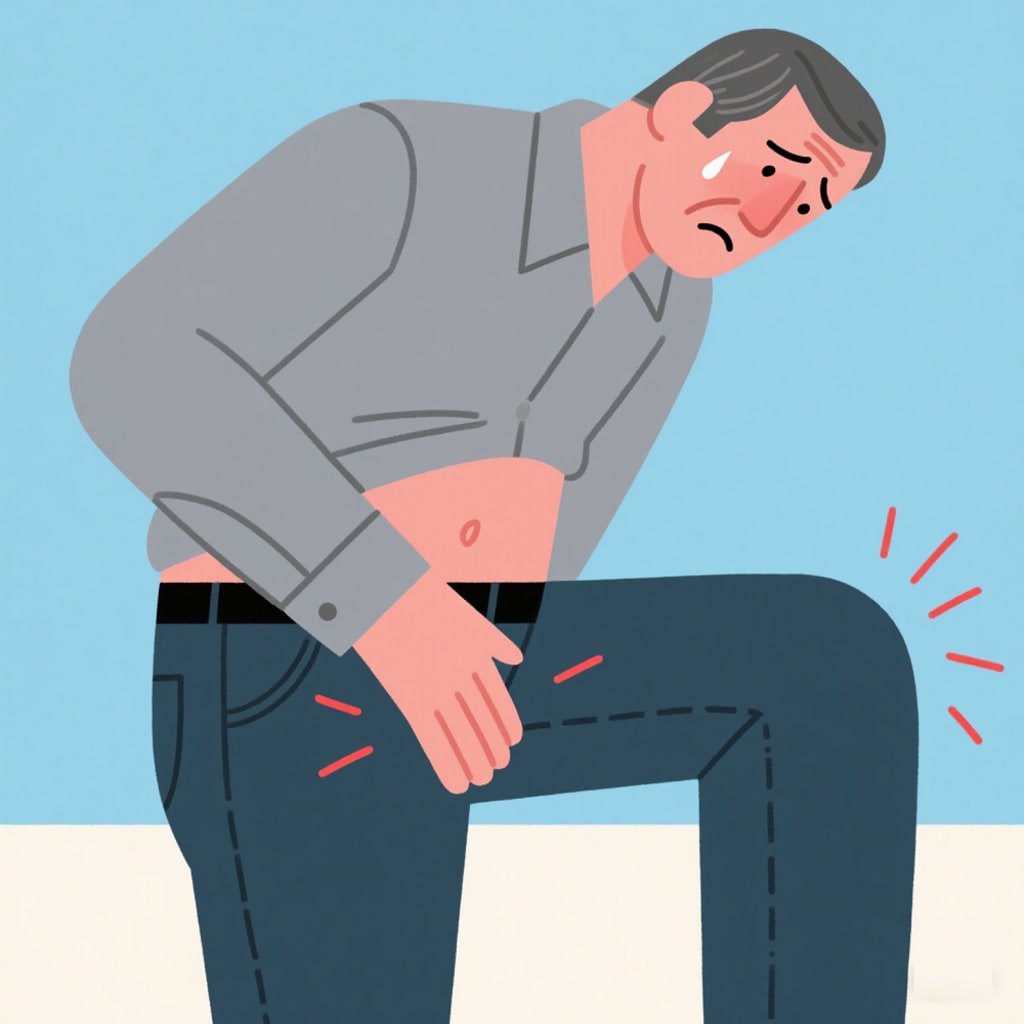
Let’s face it—life as a modern man isn’t easy. Between juggling work stress, late nights, and maybe not-so-healthy habits, your body often takes the backseat. But what if your body is trying to tell you something important? Reproductive infections are more common than you might think, and ignoring the early signs can lead to serious health issues down the road. The good news? Catching these symptoms early can make all the difference. Let’s dive into the red flags you shouldn’t ignore when it comes to reproductive health.
Why Reproductive Infections Are a Silent Threat
Reproductive infections in men often fly under the radar because many guys don’t recognize the symptoms—or worse, they brush them off as “no big deal.” According to experts, delaying treatment can not only make the condition harder to treat but also cause long-term damage to your reproductive system. Think of your body as a car engine: a small warning light today could prevent a full breakdown tomorrow. So, what are the signs that scream, “Pay attention to your reproductive health”?
1. Unusual Bathroom Habits? Don’t Ignore Them
One of the loudest alarms for a potential reproductive infection is a change in how you pee. Normally, most men urinate about 3–5 times during the day and maybe once at night. But if you’re suddenly rushing to the bathroom more often, feeling an urgent need to go but only passing a little, or experiencing a burning pain while urinating, something’s up. This could point to conditions like urethritis (inflammation of the urethra) or cystitis (bladder infection), often caused by bacteria or viruses sneaking into your system.
If left unchecked, these infections can creep upward, potentially leading to more severe issues like prostatitis (prostate inflammation). So, if peeing feels like a chore—or worse, comes with pain or even blood—don’t wait. It’s time to check in with a doctor.
2. Strange Changes Down There? Take a Closer Look
Your reproductive organs are pretty good at signaling when something’s wrong. Red spots, rashes, blisters, or ulcers on your penis, scrotum, or surrounding areas are not normal. Neither is itching, unusual discharge, or pain. These could be signs of infections like genital warts, which show up as cauliflower-like growths, or genital herpes, marked by painful blisters that turn into sores.
These conditions don’t just mess with your comfort—they can also be contagious, potentially spreading to a partner through sexual contact. If you notice anything unusual in your private areas, don’t shy away from getting it checked. Early action is key to protecting both your health and your loved one’s.
3. Pain in Sensitive Areas? It’s a Big Red Flag
Feeling aches or discomfort in your lower abdomen, groin, or testicles? This could be a sign of something like prostatitis, epididymitis (inflammation of the epididymis), or orchitis (testicle inflammation). For instance, prostatitis often causes a dull, nagging pain in the perineum (the area between your scrotum and anus) and can make urination tricky. Epididymitis or orchitis might make your testicles feel swollen or tender to the touch, sometimes even triggering fever or chills if the infection worsens.
Here’s the kicker: ignoring these pains can lead to complications like infertility by affecting sperm production. So, if something feels off down there, don’t tough it out—get it looked at.
4. Feeling Off All Over? Your Body Might Be Fighting an Infection
Reproductive infections don’t always stay local. Some men experience full-body symptoms like fever, fatigue, or loss of appetite, especially if the infection has gotten serious. It’s easy to mistake these for a common cold or stress, but if they come with any of the symptoms above, it’s a clue that your reproductive health might be at risk. Don’t let these sneaky signs fool you—listen to your body and act fast.
How to Protect Yourself: Simple Steps for Better Reproductive Health
The good news is that you can take charge of your reproductive health with a few practical habits. Here’s how to lower your risk of infections:
Keep It Clean: Maintain good personal hygiene by keeping your genital area clean and dry. A quick rinse during your shower goes a long way.
Stay Safe: Avoid unprotected or risky sexual behavior. Using condoms correctly can significantly reduce your chances of infection.
Boost Your Immunity: Get enough sleep, eat a balanced diet, and stay active to keep your body’s defenses strong.
Don’t Delay: If you spot any of the symptoms we’ve discussed, see a urologist or men’s health specialist ASAP. Early diagnosis means easier treatment.
Speaking of treatment, if you’re looking for a natural and effective option to support your recovery from reproductive infections or inflammation, consider trying the Diuretic and Anti-inflammatory Pill. This herbal remedy is designed to help reduce inflammation, promote urinary health, and support your body’s healing process. Always consult with a healthcare provider to ensure it’s the right fit for your needs, but many have found it to be a gentle yet powerful addition to their wellness routine.
Take Action Today: Your Health Can’t Wait
Reproductive infections might not be a topic you chat about over coffee, but they’re a real concern for many men. The symptoms—whether it’s painful urination, unusual changes in your private areas, nagging pains, or feeling unwell overall—are your body’s way of asking for help. Don’t ignore them. By staying aware, practicing good habits, and seeking timely care, you can safeguard your reproductive health and avoid bigger problems down the line.
So, take a moment today to check in with yourself. Are you experiencing any of these warning signs? If so, make that doctor’s appointment or explore supportive options like the Diuretic and Anti-inflammatory Pill to get back on track. Your future self will thank you for prioritizing your health now!
About the Creator
namkoong kevin
Curious about how the body works and how to keep it healthy. Writing simple, real-world health content.
Keep reading
More stories from namkoong kevin and writers in Lifehack and other communities.
SEO Mexico Tequila: Crafting Digital Strategy from the Heart of Mexico
In the evolving landscape of digital marketing, search engine optimization has become far more than a technical discipline. For many organizations, it represents a way of communicating values, sharing expertise, and building long-term relationships with audiences. Within this broader transformation, initiatives like SEO Mexico Tequila illustrate how regional knowledge, cultural perspective, and digital strategy can intersect to create meaningful impact.
By House Doctor5 days ago in Lifehack




Comments
There are no comments for this story
Be the first to respond and start the conversation.