
Meditation Techniques for Heart-Brain Coherence
In the hustle and bustle of our modern lives, finding a sense of inner peace and balance can seem like an elusive goal.

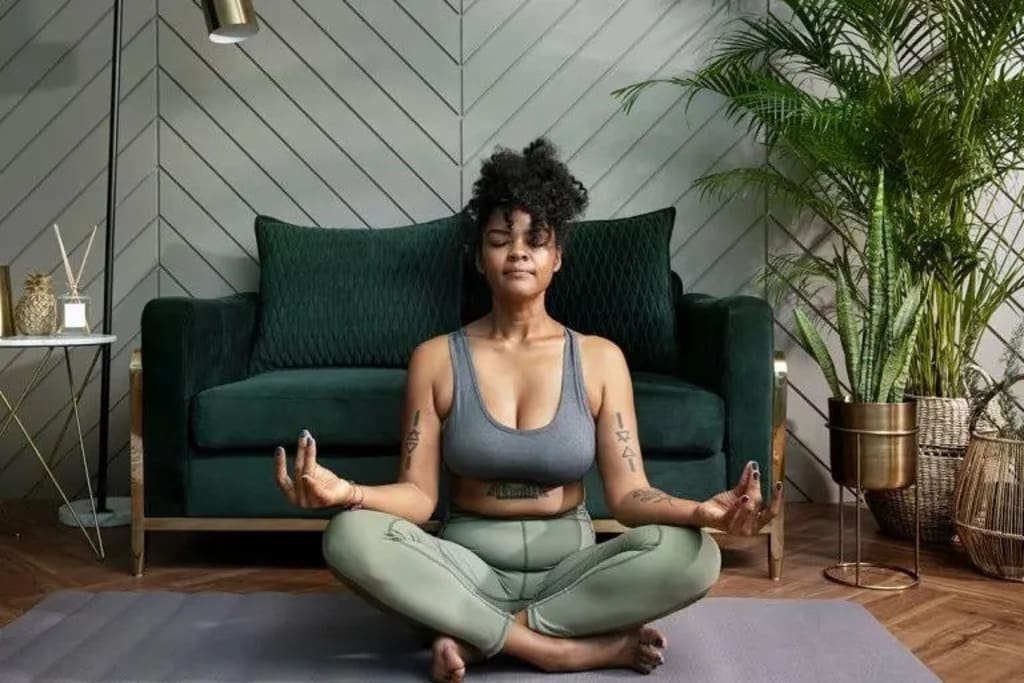
In the hustle and bustle of our modern lives, finding a sense of inner peace and balance can seem like an elusive goal. However, emerging research suggests that achieving heart-brain coherence through meditation can be a powerful way to enhance overall well-being. In this blog post, we will explore the concept of heart-brain coherence and delve into various meditation techniques that can help you cultivate this harmonious state.
Understanding Heart-Brain Coherence:
Heart-brain coherence refers to the harmonious interaction between the heart and brain, creating a synchronized and balanced state. This coherence is associated with numerous physical and mental health benefits, including reduced stress, improved cognitive function, and enhanced emotional well-being.
Meditation Techniques for Heart-Brain Coherence:
1. Heart-Centered Breathing:
One foundational technique for cultivating heart-brain coherence is heart-centered breathing. Begin by finding a quiet and comfortable space. Close your eyes and focus your attention on your heart. Inhale deeply through your nose, allowing your chest to rise, and exhale slowly through your mouth. As you breathe, imagine the breath flowing in and out of your heart. This technique helps synchronize your breath with the rhythm of your heart, promoting coherence.
2. Gratitude Meditation:
Gratitude has a profound impact on our emotional and physiological well-being. Engage in gratitude meditation by taking a few moments to reflect on the things you are thankful for. As you focus on these positive aspects of your life, you naturally shift your heart and mind into a coherent state. This practice can be particularly effective in reducing stress and promoting a sense of inner balance.
3. Heart Rate Variability (HRV) Biofeedback:
HRV biofeedback is a technique that involves monitoring and influencing the variability in time between heartbeats. This practice has been shown to enhance heart-brain coherence. Use a biofeedback device or a meditation app that provides real-time HRV feedback. As you breathe deeply and rhythmically, observe how your heart rate variability responds. Over time, you can learn to consciously regulate your heart rate variability, promoting coherence.
4. Loving-Kindness Meditation:
Also known as “Metta” meditation, loving-kindness meditation involves directing positive and loving thoughts toward oneself and others. As you cultivate feelings of compassion and goodwill, your heart’s electromagnetic field becomes more coherent. Regular practice of loving-kindness meditation can lead to lasting changes in the way you relate to yourself and the world around you.
5. Mindfulness Meditation:
Mindfulness meditation involves bringing your attention to the present moment without judgment. By practicing mindfulness, you can create a sense of coherence between your heart and brain. Focus on your breath, bodily sensations, or the present environment. As you maintain awareness, you promote a state of calm and balance that extends to both your heart and mind.
Conclusion:
Incorporating meditation techniques for heart-brain coherence into your daily routine can be a transformative journey toward enhanced well-being. Whether you choose heart-centered breathing, gratitude meditation, HRV biofeedback, loving-kindness meditation, or mindfulness meditation, the key is consistency. As you cultivate these practices over time, you may find yourself experiencing a deeper sense of harmony, resilience, and overall vitality in your life.
About the Creator
Quantum Clinic
Floatation Therapy at Quantum Clinic is different from other floatation spas. We empower you with the skills to achieve coherence, the opposite physiological state from stress.
Keep reading
More stories from Quantum Clinic and writers in Lifehack and other communities.
Are Sensory Deprivation Tanks Safe?
Sensory deprivation tanks, also known as isolation tanks or float tanks, have gained popularity in recent years for their purported benefits in promoting relaxation, stress relief, and heightened self-awareness. However, as with any novel experience, questions and concerns arise regarding potential dangers associated with sensory deprivation tanks. In this article, we will delve into the world of floatation therapy to explore whether these tanks pose any risks to individuals seeking a moment of profound tranquility.
By Quantum Clinic2 years ago in Lifehack
Moving Across Boise Without the Stress: What Most People Don’t Plan For
Moving within the same city often feels easier than it actually is. Many people assume that a short distance means fewer complications, but local moves come with their own challenges. In Boise, factors like traffic flow, neighborhood layouts, parking access, and timing can quickly turn a simple relocation into a stressful experience if they’re not considered ahead of time.
By House Doctora day ago in Lifehack
Top 5 Best 1200-Watt countertop Microwave for easy meals
Tired of cold centers and hot edges when reheating dinner? A 1200-watt countertop microwave is the best solution that heats fast, stays even, and fits real plates without taking over the counter. I narrowed this down by comparing wattage, size, sensor features, and real buyer feedback from trusted brands like Panasonic, Toshiba, and Sharp.
By Mohammed mamunabout 15 hours ago in Lifehack


Comments
There are no comments for this story
Be the first to respond and start the conversation.