
Medical Engineering: Where Innovation Meets Medicine to Save Lives.
Discover how medical engineering bridges the gap between healthcare and technology.

The Birth of a Life-Saving Discipline
Medical engineering—also known as biomedical engineering—is one of the most impactful interdisciplinary fields of the 21st century. Born out of the need to improve healthcare outcomes through engineering innovation, this discipline combines biology, medicine, and engineering to design tools and technologies that save lives.
The idea behind creating medical engineering was simple yet profound: what if we could use engineering to fix the human body like we fix machines? This question gave rise to a whole new industry dedicated to improving diagnostics, patient monitoring, surgical techniques, and treatment technologies.
Why Was Medical Engineering Created?
Traditional medicine, while effective in diagnosis and treatment, had limitations in precision, scalability, and access. Engineering, on the other hand, offered systems thinking, precision tools, and scalable solutions. The combination created a paradigm shift: from stethoscopes to MRI machines, from wheelchairs to robotic prosthetics.
Medical engineering was created to:
- Improve patient care through innovation.
- Enable real-time monitoring and diagnosis.
- Develop biocompatible implants and prosthetics.
- Automate surgical and diagnostic procedures.
- Make healthcare more accessible and efficient.
- Applications in Real Life: Saving Lives Through Innovation
Here are some real-world applications of medical engineering:
Medical Imaging: Technologies like X-rays, CT scans, and MRIs are all products of biomedical engineering. These tools allow doctors to see inside the human body without surgery.
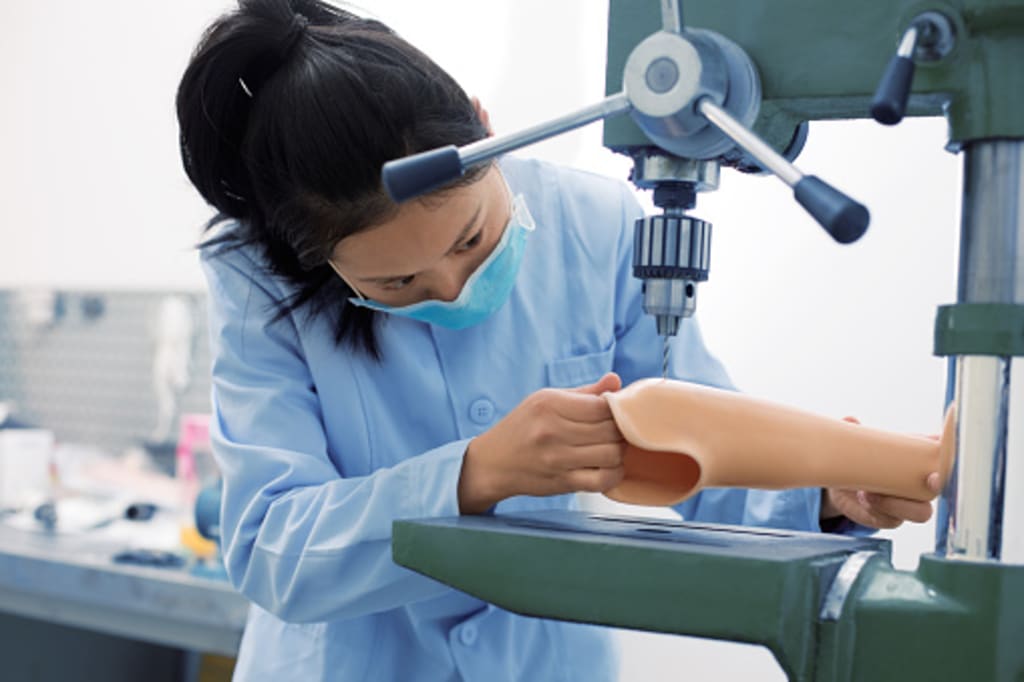
- Prosthetics and Orthotics: Artificial limbs have become more advanced, with sensors and robotic elements allowing users to walk, run, and even grip objects.
- Pacemakers and Implants: Engineering has enabled the creation of pacemakers that regulate heartbeats and cochlear implants that help restore hearing.
- Dialysis Machines: Vital for patients with kidney failure, these machines filter blood, simulating the function of kidneys
- Surgical Robotics: Systems like the Da Vinci robot allow for ultra-precise, minimally invasive surgeries with smaller incisions and faster recovery times.
- Wearable Health Devices: From smartwatches that monitor heart rate to wearable ECG and glucose monitors, engineering is making healthcare personal.
Global Leaders in Medical Engineering
Several companies have become industry leaders by investing heavily in R&D and driving technological advancement in healthcare:
- Medtronic: One of the world's largest medical technology companies. Known for pacemakers, insulin pumps, and spinal surgery products.
- Siemens Healthineers: A global leader in medical imaging, diagnostics, and laboratory automation.
- GE Healthcare: Innovators in medical imaging, patient monitoring systems, and life sciences research tools.
- Philips Healthcare: Specialists in medical imaging, diagnostic equipment, and patient care solutions.
Stryker: Renowned for advanced surgical tools and orthopedics, including robotic surgical systems and joint replacement products.
Boston Scientific: Focused on minimally invasive devices used in cardiology, endoscopy, and pain management.
These companies have become trusted names in hospitals worldwide due to their commitment to improving patient outcomes through innovation.
How Engineering Has Transformed Medicine Positively
The impact of medical engineering on modern healthcare cannot be overstated. Here's how it has transformed the field:
Faster Diagnoses: With better imaging and AI-based diagnostics, doctors can now detect diseases like cancer, heart failure, and infections earlier than ever.
Minimally Invasive Procedures: Robotic surgeries and laparoscopic tools mean less pain, smaller scars, and shorter hospital stays for patients.
Precision Medicine: Engineers have developed tools to tailor treatments to a patient’s specific genetic makeup, improving outcomes.
Remote Healthcare: Devices like wearable monitors and telemedicine platforms allow care to reach remote and underserved areas.
Longer Lifespans: Thanks to early detection, life-saving devices, and personalized care, people are living longer, healthier lives.
The Future of Medical Engineering
As we look to the future, medical engineering will continue to evolve with technologies like:
- Artificial Intelligence and Machine Learning
- Nanotechnology for targeted drug delivery
- 3D-printed organs and implants
- Brain-computer interfaces
- Regenerative medicine using stem cells
These innovations will further blur the line between human and machine, helping doctors treat patients more effectively and giving people with chronic conditions a new lease on life.
Medical engineering is not just a career or an industry—it’s a mission to save lives. From high-tech surgical tools to life-enhancing implants and diagnostic innovations, this field has redefined what’s possible in healthcare. As technology continues to advance, medical engineers will remain at the heart of improving patient care across the globe.
About the Creator
Sayed Zewayed
writer with a background in engineering. I specialize in creating insightful, practical content on tools. With over 15 years of hands-on experience in construction and a growing passion for online, I blend technical accuracy with a smooth.
Keep reading
More stories from Sayed Zewayed and writers in Lifehack and other communities.
A Modern Perspective on Engineering Tools
Engineering tools have become indispensable in modern life, supporting a wide range of tasks from intricate mechanical repairs to household fixes. Their history spans thousands of years, beginning with primitive implements and evolving into highly specialized equipment. This article delves into the fascinating evolution of engineering tools, exploring their origins, materials, manufacturing, leading global producers, affordability, and their growing relevance in everyday scenarios like vehicle maintenance, home repairs, and DIY projects.
By Sayed Zewayed9 months ago in Lifehack
The Sweet Tradition of Pitha Utshob: Celebrating Bangladesh’s Winter Heritage
As the gentle mist of winter descends upon the landscape of Bangladesh in 2026, a delicious and centuries-old tradition comes to life—the Pitha Utshob. This festival is not just about eating; it is a celebration of the harvest, family bonding, and the rich culinary heritage of the Bengali people. From the bustling streets of Dhaka to the quietest corners of the villages, the aroma of steamed rice and jaggery fills the air, marking the arrival of the most beloved food festival of the country.
By MD. Rahmat Ullah5 days ago in Lifehack
Center Stage with Paul Stewart
*** I'm keen to republish the interviews I did for my series with Vocal creators. It's been a few years and I thought it might be nice to revisit these wonderful conversations. I'll be releasing them one at a time for a few weeks/months.
By Heather Hublera day ago in Interview




Comments
There are no comments for this story
Be the first to respond and start the conversation.