
Mastering Weight Loss: Essential Strategies for Success
Embarking on a weight loss journey is a challenging yet rewarding endeavor. With the right strategies and a focus on healthy practices,


Embarking on a weight loss journey is a challenging yet rewarding endeavor. With the right strategies and a focus on healthy practices, you can achieve your weight loss goals and improve your overall well-being. This guide provides effective, science-backed tips to help you navigate your weight loss journey and maintain a healthier lifestyle.
Key Takeaways
Understand the importance of a calorie deficit for effective weight loss
Discover methods to boost metabolism and enhance fat burning
Learn how to control portions and adopt healthier eating habits
Integrate effective exercise routines into your weight loss plan
Recognize the impact of muscle mass and body composition on weight loss
Understanding Weight Loss Basics
Weight loss is a multifaceted process that requires a comprehensive understanding of several fundamental principles. At the heart of successful weight management is the concept of a calorie deficit. This involves consuming fewer calories than your body expends. Creating a calorie deficit forces your body to use stored fat for energy, resulting in gradual and sustainable weight loss.
Calorie Deficit: The Cornerstone of Weight Loss
Achieving a calorie deficit is crucial for effective weight loss. To establish a deficit, you must adjust both your diet and exercise routine. Reducing calorie intake while simultaneously increasing physical activity helps create a calorie deficit. This approach ensures that your body taps into its fat reserves for energy, promoting steady and healthy weight loss.
Boosting Metabolism and Enhancing Fat Burning
A higher metabolism can accelerate weight loss by increasing the rate at which your body burns calories. Incorporate high-intensity interval training (HIIT) and strength training into your exercise regimen. HIIT involves short bursts of intense activity followed by periods of rest, which effectively burns calories and improves cardiovascular health. Strength training builds muscle mass, which not only tones the body but also boosts your resting metabolic rate. As a result, you burn more calories even when not exercising.
Portion Control and Healthy Eating Habits
Mastering portion control is essential for managing calorie intake. Start by using smaller plates and bowls to help regulate the amount of food you consume. Pay attention to your body’s hunger and fullness cues to avoid overeating. Adopting healthier eating habits also plays a significant role in weight management. Focus on a balanced diet that includes a variety of nutrient-dense foods such as fruits, vegetables, lean proteins, and whole grains. These foods provide essential nutrients while helping you feel full and satisfied.
Effective Exercise Routines
Regular exercise is a cornerstone of any successful weight loss plan. Aim to include both cardiovascular and strength training exercises in your routine. Cardiovascular exercises, such as walking, jogging, or cycling, improve heart health and burn calories. Strength training exercises, including weight lifting and resistance workouts, help build and maintain muscle mass. Combining these two types of exercise ensures a well-rounded fitness regimen that supports weight loss and overall health.
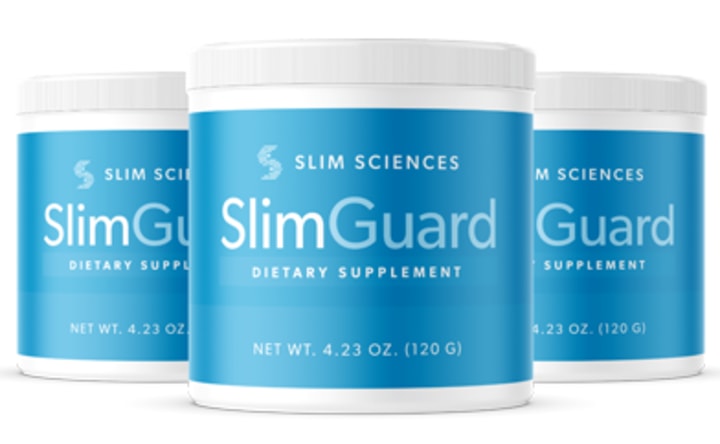
INTRODUCING SLIM GUARD
The Role of Muscle Mass and Body Composition
Muscle mass significantly influences weight loss and overall body composition. Building muscle through strength training exercises not only enhances your physique but also increases your resting metabolic rate. This means that your body continues to burn calories even when at rest. Additionally, a higher muscle mass improves body composition by reducing body fat percentage, contributing to a leaner and healthier body.
Maintaining Your Weight Loss Progress
Sustaining weight loss requires ongoing effort and commitment. Continue to monitor your calorie intake and physical activity levels. Set realistic and achievable goals to keep yourself motivated. Regularly reassess your progress and make adjustments as needed to stay on track. Embrace a balanced approach to diet and exercise to ensure long-term success and overall well-being.
By understanding and applying these essential strategies, you can effectively manage your weight and cultivate a healthier lifestyle. Emphasize the importance of a calorie deficit, boost your metabolism, control portions, and engage in a mix of cardiovascular and strength training exercises. Recognizing the role of muscle mass and body composition will further enhance your weight loss efforts, leading to lasting results and improved health.
About the Creator
Keep reading
More stories from Health picks and writers in Lifehack and other communities.
Understanding Healthcare Services: Key Aspects and Benefits
Healthcare services are fundamental to maintaining and improving individual and public health. They encompass a broad range of activities and interventions designed to prevent, diagnose, and treat various health conditions. With the rising complexity of health issues, understanding these services' scope and benefits is crucial for making informed decisions about one's health and well-being.
By Health picksabout a year ago in Lifehack
Is It Better To Eat Protein Before Or After A Workout? How To Optimize Your Intake For Muscle Growth
If you've given WH's protein challenge a go, you know how important this macro is to your health and fitness goals and a strong training sesh. But does it matter when, exactly, you get some protein in around your workouts impact muscle growth?
By Dena Falken Esq4 days ago in Lifehack
You Can’t AI a Jobsite
Artificial intelligence dominates recent discussions regarding the future of work, and it’s no wonder. Namely, software now writes code, generates legal briefs, and manages complex logistics. White-collar professionals face a period of uncertainty as automation settles into offices worldwide.
By Angela Ash2 days ago in Lifehack




Comments (1)
Thanks for sharing