
Mastering Blood Sugar Regulation: Tips for Easily Controlling Your Levels
As a healthcare professional, I have seen many patients struggle with blood sugar regulation. It can be a challenging condition to manage, but with the right tools and knowledge, it is possible to master blood sugar regulation and live a healthy life. In this article, I will discuss how blood sugar levels are controlled in the body, why it's important to regulate blood sugar levels, factors that affect blood sugar regulation, foods that regulate blood sugar levels, lifestyle changes for better blood sugar regulation, supplements that promote healthy blood sugar levels, where sugar enters the blood, and blood sugar monitoring and testing.

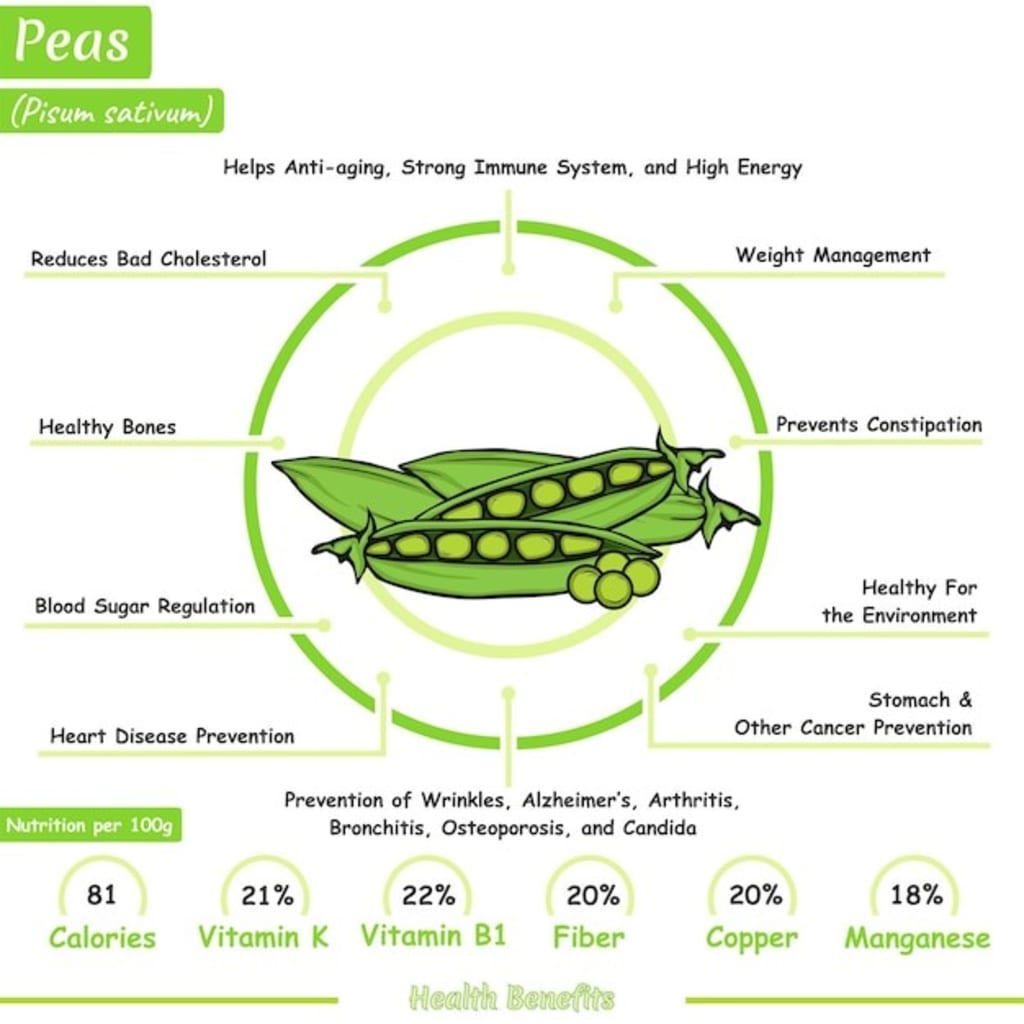
As a healthcare professional, I have seen many patients struggle with blood sugar regulation. It can be a challenging condition to manage, but with the right tools and knowledge, it is possible to master blood sugar regulation and live a healthy life. In this article, I will discuss how blood sugar levels are controlled in the body, why it's important to regulate blood sugar levels, factors that affect blood sugar regulation, foods that regulate blood sugar levels, lifestyle changes for better blood sugar regulation, supplements that promote healthy blood sugar levels, where sugar enters the blood, and blood sugar monitoring and testing.
Introduction to Blood Sugar Regulation
Blood sugar regulation is the process by which the body maintains a balance of glucose in the bloodstream. Glucose is the primary source of energy for the body's cells, but too much or too little glucose in the blood can be harmful. The body has several mechanisms in place to regulate blood sugar levels, including insulin and glucagon, hormones produced by the pancreas. Insulin helps cells absorb glucose from the bloodstream, while glucagon helps release stored glucose into the bloodstream when blood sugar levels are low.
How Blood Sugar Levels are Controlled in the Body
Blood sugar levels are tightly controlled by the body through a complex system involving multiple organs and hormones. When we eat carbohydrates, they are broken down into glucose and absorbed into the bloodstream. This triggers the pancreas to release insulin, which helps cells absorb glucose from the bloodstream and use it for energy. When blood sugar levels drop, the pancreas releases glucagon, which helps release stored glucose from the liver into the bloodstream.
The liver also plays a crucial role in blood sugar regulation. It stores glucose in the form of glycogen and releases it into the bloodstream when blood sugar levels are low. Additionally, the adrenal glands release hormones like cortisol and adrenaline, which can raise blood sugar levels in times of stress.
Why it's Important to Regulate Blood Sugar Levels
Maintaining healthy blood sugar levels is essential for overall health and wellbeing. High blood sugar levels, also known as hyperglycemia, can cause a range of health problems, including nerve damage, kidney damage, and cardiovascular disease. Low blood sugar levels, or hypoglycemia, can also be dangerous and can cause symptoms like dizziness, confusion, and seizures.
Factors that Affect Blood Sugar Regulation
Several factors can affect blood sugar regulation, including diet, exercise, stress, medications, and underlying health conditions like diabetes. Eating a diet high in refined carbohydrates and sugar can cause blood sugar levels to spike and then crash, while regular exercise can help improve insulin sensitivity and blood sugar control. Stress can also raise blood sugar levels, as can certain medications like steroids and diuretics.
Foods that Regulate Blood Sugar Levels
Eating a balanced diet rich in whole foods can help regulate blood sugar levels and prevent spikes and crashes. Foods that are high in fiber, protein, and healthy fats can slow the absorption of glucose into the bloodstream and help keep blood sugar levels stable. Examples of blood sugar-regulating foods include:
• Whole grains like brown rice, quinoa, and oats
• Non-starchy vegetables like spinach, broccoli, and kale
• Lean proteins like chicken, fish, and tofu
• Healthy fats like avocado, nuts, and olive oil
• Low-sugar fruits like berries and citrus fruits
Control blood sugar level easily
Lifestyle Changes for Better Blood Sugar Regulation
In addition to dietary changes, certain lifestyle changes can also help improve blood sugar regulation. Regular exercise can help improve insulin sensitivity and glucose uptake by cells, while stress management techniques like meditation and yoga can help lower stress levels and improve blood sugar control. Getting enough sleep and maintaining a healthy weight can also help regulate blood sugar levels.
Supplements that Promote Healthy Blood Sugar Levels
Certain supplements can help promote healthy blood sugar levels and improve insulin sensitivity. Examples include:
• Chromium: This mineral is involved in the metabolism of glucose and can help improve insulin sensitivity.
• Magnesium: This mineral is important for glucose metabolism and insulin sensitivity.
• Alpha-lipoic acid: This antioxidant can help improve insulin sensitivity and reduce oxidative stress.
• Berberine: This compound can help improve glucose uptake by cells and reduce insulin resistance
Control blood sugar level easily
Where Does Sugar Enter the Blood?
Sugar enters the blood when we eat carbohydrates, which are broken down into glucose and absorbed into the bloodstream. The type and amount of carbohydrate we eat can affect how quickly and how much sugar enters the blood. Simple carbohydrates like sugar and refined grains are quickly absorbed and can cause blood sugar levels to spike, while complex carbohydrates like whole grains and vegetables are absorbed more slowly and can help regulate blood sugar levels.
Blood Sugar Monitoring and Testing
Regular blood sugar monitoring and testing are essential for people with diabetes and other conditions that affect blood sugar regulation. This can help identify patterns and trends in blood sugar levels, as well as help guide dietary and medication changes. There are several ways to monitor blood sugar levels, including:
• Fingerstick glucose testing: This involves pricking the finger and using a glucose meter to measure blood sugar levels.
• Continuous glucose monitoring: This involves wearing a device that measures blood sugar levels continuously throughout the day.
• A1C testing: This measures the average blood sugar levels over the past 2-3 months.
Control blood sugar level easily
Conclusion and Final Thoughts
Mastering blood sugar regulation is an important part of overall health and wellbeing. By making dietary and lifestyle changes, taking supplements, and monitoring blood sugar levels, it is possible to achieve healthy blood sugar levels and prevent complications associated with high or low blood sugar. If you are struggling with blood sugar regulation, talk to your healthcare provider for guidance and support.
CTA:
If you have any questions or concerns about blood sugar regulation, please do not hesitate to contact me. I am here to help you achieve optimal health and wellbeing.
About the Creator
Keep reading
More stories from Vikum Perera and writers in Lifehack and other communities.
Herbs for Health: Discover the Top Easy Herbal Home Remedies
Image Source: FreeImages As a lover of natural remedies and a believer in the power of herbs, I am excited to share with you the benefits of herbal remedies and the top easy herbal home remedies for common ailments. Herbal remedies have been used for centuries to treat various illnesses and diseases, and their effectiveness has been proven time and time again. In this article, we will explore the history of herbal medicine, the benefits of herbal remedies, popular medicinal herbs and their uses, how to make herbal remedies at home, precautions for using herbal remedies, where to buy medicinal herbs, herbal remedies for stress and anxiety, and my final thoughts on herbal remedies.
By Vikum Perera3 years ago in Lifehack
Smartphones Are Powerful Enough
For more than a decade, smartphones have followed a predictable trajectory: higher power, sharper images, and speedier internet. On paper, today’s technologies are substantially superior to those from even five years ago. Yet surveys, user forums, and daily encounters suggest a different image. Satisfaction hasn’t grown at the same pace as capacity.
By abualyaanart5 days ago in Lifehack




Comments
There are no comments for this story
Be the first to respond and start the conversation.