
Massage for Stress Relief: Why It’s More Than Just Relaxation
Massage Spa in Step Above

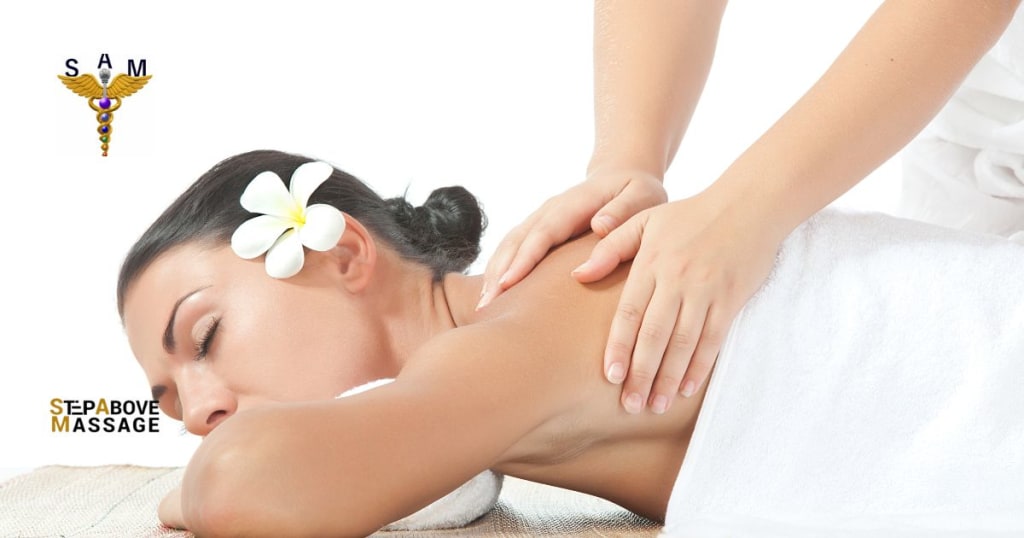
Stress has become a constant companion for many in today's fast-paced world. From work-related pressures to personal challenges, stress can accumulate, affecting our physical and mental well-being. While stress management techniques like exercise, meditation, and yoga are commonly recommended, massage therapy is often overlooked as a powerful tool for combating stress. Beyond the immediate relaxation that a massage session provides, there are numerous long-term benefits that make massage therapy an essential part of a comprehensive stress management plan.
In this article, we’ll explore why massage for stress relief is more than just a fleeting moment of relaxation, delving into the physiological, emotional, and mental benefits that regular massage therapy can offer.
The Physiology of Stress
Before we delve into how massage can help with stress relief, it’s important to understand what stress does to the body. When we perceive a threat or challenge, our body goes into a state of "fight or flight," releasing stress hormones like cortisol and adrenaline. These hormones increase heart rate, blood pressure, and blood glucose levels, preparing the body to respond to the stressor.
While this response is essential for short-term survival, chronic stress can lead to a variety of health problems, including anxiety, depression, digestive issues, headaches, heart disease, sleep disturbances, and weight gain. Prolonged stress keeps the body in a constant state of alert, preventing it from returning to a state of rest and recovery.
How Massage Affects the Body
Massage therapy works on both the body and mind, helping to counteract the effects of stress by promoting relaxation and restoring balance. Here’s how massage affects the body:
1. Reduction of Stress Hormones
One of the most immediate effects of massage is the reduction of cortisol levels. Studies have shown that massage can significantly lower cortisol levels, allowing the body to shift from a state of stress to one of relaxation. Lower cortisol levels not only reduce stress but also improve mood and overall well-being.
2. Promotion of Endorphin Release
Endorphins, often referred to as "feel-good" hormones, are neurotransmitters that help alleviate pain and induce feelings of pleasure and well-being. Massage stimulates the release of endorphins, which can help combat feelings of anxiety and depression, providing a natural and safe way to elevate mood.
3. Improvement in Circulation
Stress can cause the muscles to tense up, restricting blood flow and leading to discomfort and pain. Massage helps to improve circulation by relaxing the muscles and increasing blood flow to the tissues. Improved circulation ensures that oxygen and nutrients are delivered more efficiently to the body’s cells, while waste products are removed more effectively, reducing muscle soreness and tension.
4. Reduction of Muscle Tension
Stress often manifests physically as muscle tension, particularly in areas like the neck, shoulders, and back. Massage therapy works to release this tension by targeting tight muscles and applying pressure to trigger points. The result is a reduction in muscle stiffness and pain, allowing for greater flexibility and range of motion.
5. Boosting the Immune System
Chronic stress can weaken the immune system, making the body more susceptible to illness. Massage has been shown to increase the production of lymphocytes, which are white blood cells that play a crucial role in defending the body against disease. By boosting the immune system, regular massage therapy can help prevent illness and improve overall health.
The Psychological Benefits of Massage
While the physical benefits of massage are well-documented, the psychological effects are equally important when it comes to stress relief. Massage therapy can have a profound impact on mental health, helping to alleviate symptoms of anxiety, depression, and other mood disorders.
1. Reduction of Anxiety and Depression
Anxiety and depression are common responses to chronic stress, and massage therapy has been shown to be an effective complementary treatment for both. By reducing levels of cortisol and increasing levels of serotonin and dopamine (neurotransmitters associated with happiness and well-being), massage can help improve mood and reduce feelings of anxiety and depression.
2. Improvement in Sleep Quality
Stress is a major contributor to sleep disturbances, including insomnia. Massage therapy can help improve sleep quality by promoting relaxation and reducing anxiety. Studies have shown that regular massage therapy can lead to longer, deeper sleep, helping the body to recover and recharge more effectively.
3. Enhancement of Emotional Resilience
Emotional resilience is the ability to adapt to stressful situations and maintain a positive outlook. Regular massage therapy can help enhance emotional resilience by reducing stress levels and improving mood. This can make it easier to cope with life’s challenges and maintain a sense of balance and well-being.
4. Fostering Mindfulness and Body Awareness
Massage therapy encourages mindfulness by bringing attention to the present moment and fostering a deeper connection with the body. This increased body awareness can help individuals recognize and respond to stress signals more effectively, preventing the buildup of chronic tension and promoting a more balanced state of mind.
5. Creation of a Safe Space for Emotional Release
Massage therapy provides a safe and nurturing environment for emotional release. Many people hold emotional tension in their bodies, and massage can help release these emotions in a supportive setting. This can lead to a greater sense of emotional clarity and relief from the burden of unresolved stress.
Different Types of Massage for Stress Relief
There are various types of massage, each offering unique benefits for stress relief. Understanding the different techniques can help you choose the best type of massage for your needs.
1. Swedish Massage
Swedish massage is one of the most popular and widely practiced forms of massage therapy. It involves long, flowing strokes, kneading, and circular movements to relax muscles and improve circulation. Swedish massage is ideal for stress relief, as it promotes relaxation and helps reduce muscle tension.
2. Deep Tissue Massage
Deep tissue massage targets the deeper layers of muscle and connective tissue, using slower strokes and more intense pressure. This type of massage is particularly effective for relieving chronic muscle tension and stress-related pain. It can be intense, but the results are often profound, providing long-lasting relief from stress.
3. Aromatherapy Massage
Aromatherapy massage combines the benefits of massage with the therapeutic effects of essential oils. Different essential oils have different properties, with some promoting relaxation, others invigorating the senses, and some even helping to alleviate symptoms of anxiety and depression. Aromatherapy massage is an excellent choice for those looking for a holistic approach to stress relief.
4. Hot Stone Massage
Hot stone massage involves the use of smooth, heated stones placed on specific points of the body. The heat from the stones helps to relax muscles and improve circulation, making it easier for the massage therapist to work on deep muscle layers. This type of massage is particularly soothing and effective for relieving stress and promoting relaxation.
5. Reflexology
Reflexology is a form of massage that focuses on specific pressure points in the feet, hands, and ears that correspond to different organs and systems in the body. By stimulating these points, reflexology can help reduce stress and promote overall well-being. It’s a great option for those who prefer a more focused and less intense massage experience.
6. Shiatsu
Shiatsu is a Japanese form of massage that involves applying pressure to specific points on the body to promote energy flow and balance. Shiatsu is deeply relaxing and can help relieve stress by restoring the body’s natural energy flow. It’s particularly effective for those who are sensitive to touch or prefer a more gentle form of massage.
7. Thai Massage
Thai massage is a more active form of massage that involves stretching and acupressure. It’s often described as "yoga for lazy people" because it combines assisted stretching with traditional massage techniques. Thai massage can be invigorating and is particularly effective for relieving stress and tension in the muscles and joints.
Integrating Massage into Your Stress Management Routine
While a single massage session can provide immediate relief from stress, the real benefits come from regular massage therapy. Here’s how you can integrate massage into your stress management routine:
1. Schedule Regular Sessions
Consistency is key when it comes to reaping the benefits of massage therapy. Try to schedule regular massage sessions, whether weekly, bi-weekly, or monthly, depending on your stress levels and availability. Regular sessions will help keep your stress levels in check and promote long-term well-being.
2. Combine Massage with Other Stress Management Techniques
Massage therapy works best when combined with other stress management techniques like exercise, meditation, and healthy eating. Consider incorporating these practices into your daily routine to create a holistic approach to stress relief.
3. Practice Mindfulness During Massage
During your massage sessions, focus on being present and mindful. Pay attention to the sensations in your body, the rhythm of your breath, and the feeling of relaxation that spreads through your muscles. Practicing mindfulness during massage can deepen the therapeutic effects and help you carry the sense of calm into your daily life.
4. Communicate with Your Therapist
Communication with your massage therapist is essential to ensure you get the most out of your sessions. Let your therapist know about any specific areas of tension or stress, and don’t hesitate to provide feedback during the session. A good therapist will adjust their techniques to meet your needs, ensuring a more effective and personalized experience.
5. Create a Relaxing Environment at Home
You don’t have to wait until your next massage appointment to relax. Create a calming environment at home by incorporating elements of your massage experience. Use soothing music, aromatherapy, and comfortable lighting to create a peaceful space where you can unwind and de-stress.
6. Listen to Your Body
Pay attention to how your body feels after a massage session. If you notice that certain techniques or areas of focus bring more relief, communicate this to your therapist for future sessions. Listening to your body’s needs will help you tailor your massage experience to maximize the benefits.
Conclusion
Massage therapy is a powerful tool for stress relief that goes far beyond mere relaxation. By reducing stress hormones, promoting the release of endorphins, improving circulation, and enhancing mental well-being, massage offers a comprehensive approach to managing stress. Whether you’re dealing with chronic stress or simply looking to improve your overall health, regular massage therapy can provide the physical and emotional support you need to navigate life’s challenges with greater ease.
Incorporating massage into your stress management routine is a proactive step toward achieving a healthier, more balanced life. So, the next time you’re feeling overwhelmed, consider booking a massage session—not just for a moment of relaxation, but for the lasting benefits it can bring to your mind, body, and soul.
About the Creator
Step Above Massage
Step Above Massage offers top-tier massage and spa services in Raleigh and Wake Forest, North Carolina. Experience relaxation and rejuvenation with our expert therapists. Discover more at Step Above Massage, your premier.
Keep reading
More stories from writers in Lifehack and other communities.
What to Expect When Hiring Moving Companies in Palm Beach Gardens, Florida
Moving to a new home often comes with a mix of excitement and uncertainty. In Palm Beach Gardens, Florida, the experience can be smooth when residents understand the local dynamics and prepare accordingly. While the city offers well-designed neighborhoods and relatively easy access to major roads, moving still involves details that deserve careful attention.
By House Doctor5 days ago in Lifehack
Cabin Fever Because of Snow, Sleet, and Freezing Rain That Turned to Icy Roads
What Is Cabin Fever? The short answer is that cabin fever is restlessness from being in a confined area. Cabin fever is the distressing irritability or restlessness experienced when a person or group is stuck at an isolated location or in confined quarters for an extended time. Research shows that prolonged cold, gray skies, and being stuck indoors can trigger mood shifts similar to “winter blues.”
By Margaret Minnicks4 days ago in Humans


Comments (4)
Thanks for sharing
Nice article
Hmm you are right.
So so amazing .i love your content and subscribed. Kindly reciprocate by subscribing to me also . thank you and keep it up