
Lose Weight Safely and Sustainably with Scientifically Supported Strategies
Moderate your caffeine consumption from coffee or tea, as it may boost your metabolism
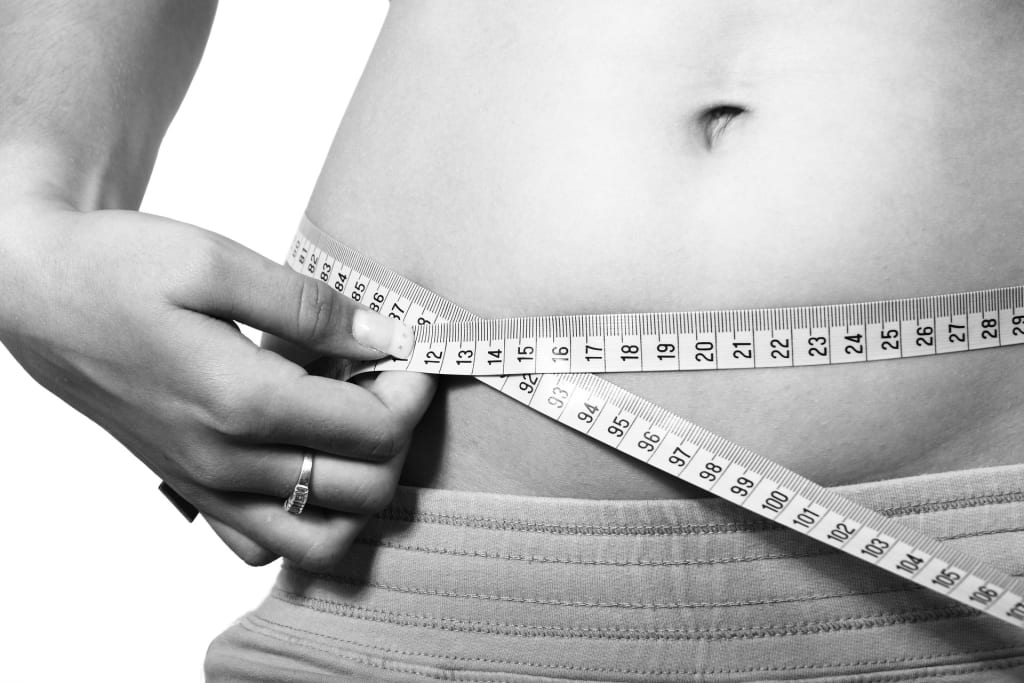
Lose Weight Safely and Sustainably with Scientifically Supported Strategies
If you're looking to shed some pounds, it's important to approach weight loss in a safe and sustainable manner. While many people aspire to lose weight rapidly, it's essential to focus on long-term health and habits that can be maintained over time for lasting results. Here are science-backed tips that can help you achieve sustainable weight loss while prioritizing your overall well-being.
1. Prioritize Cutting Refined Carbs:
Reducing your intake of sugars and starches, often referred to as refined carbohydrates, can kickstart your weight loss journey. This can be achieved through a low-carb eating plan or by replacing refined carbs with whole grains. By doing so, you'll experience reduced hunger levels and consume fewer calories. Additionally, a low-carb diet can help your body utilize stored fat as an energy source, contributing to weight loss. However, it's worth noting that the long-term effects of such a diet are still being studied, and reduced calorie diets can also be effective for weight loss and easier to maintain.
2. Focus on Balanced Meals:
Create well-rounded meals that include a protein source, healthy fat source, vegetables, and a small portion of complex carbohydrates, such as whole grains. Protein is crucial for preserving muscle mass and promoting satiety. Healthy protein sources include lean meats, fish, seafood, eggs, and plant-based options like beans and legumes. Vegetables, especially leafy greens, provide essential nutrients without adding excessive calories. Don't shy away from healthy fats like olive oil and avocados, as they are vital for overall health. However, moderate your consumption of saturated fats found in butter and coconut oil.
3. Incorporate Regular Exercise:
While exercise is not mandatory for weight loss, it can accelerate your progress. Strength training, in particular, is highly beneficial as it helps burn calories and prevents a decline in metabolism, which often occurs during weight loss. Aim for strength training three to four times a week. If weightlifting is not feasible, engage in cardio activities such as walking, jogging, running, cycling, or swimming. Both types of exercise can contribute to weight loss and offer various other health benefits.
Calories and Portion Control:
When following a low-carb eating plan, counting calories may not be necessary as long as you maintain a low-carb and high-protein, high-fat diet. However, if you're not seeing the desired results, monitoring your calorie intake can help identify contributing factors. There are numerous online calculators and apps available to estimate your calorie needs. Be cautious not to consume too few calories, as this can be detrimental to your health and hinder weight loss. Strive for a sustainable and healthy calorie reduction based on your doctor's recommendations.
Additional Tips for Successful Weight Loss:
- Start your day with a high-protein breakfast to reduce cravings and calorie intake throughout the day.
- Limit sugary drinks and fruit juice, as they contain empty calories.
- Stay hydrated by drinking water throughout the day.
- Choose weight-loss-friendly foods that are nutrient-rich and filling.
- Increase your fiber intake, as it promotes weight loss and can be found in whole grains, fruits, vegetables, nuts, and seeds.
- Moderate your caffeine consumption from coffee or tea, as it may boost your metabolism.
- Base your diet on whole foods rather than processed ones, as they are more satisfying and less likely to cause overeating.
- Eat slowly to feel fuller and trigger weight-reducing hormones.
- Prioritize good quality sleep, as inadequate sleep is a significant risk factor for weight gain.
- Consider other stress-reducing activities in addition to dietary changes.
Sample Meal Ideas:
These meal plan suggestions are low in carbs, typically ranging from 20 to 50 carbs per day.
SUMMARY
You can reach your weight loss goals by incorporating a low carb or low calorie diet into your life, but the speed of weight loss depends on the individual.
General weight loss can sometimes improve certain markers of health, such as blood sugar and cholesterol levels.
About the Creator
Keep reading
More stories from Ahmad Zubair and writers in Lifehack and other communities.
The Significance of Losing Weight
Introduction: In a world where body image and appearance often take center stage, the importance of weight management is a topic that demands attention. While society tends to emphasize the desire for achieving an ideal physique, the significance of losing weight should not be overlooked. This article aims to shed light on why losing weight is more important than gaining, focusing on the numerous health benefits associated with weight loss.
By Ahmad Zubair3 years ago in Lifehack
The Sweet Tradition of Pitha Utshob: Celebrating Bangladesh’s Winter Heritage
As the gentle mist of winter descends upon the landscape of Bangladesh in 2026, a delicious and centuries-old tradition comes to life—the Pitha Utshob. This festival is not just about eating; it is a celebration of the harvest, family bonding, and the rich culinary heritage of the Bengali people. From the bustling streets of Dhaka to the quietest corners of the villages, the aroma of steamed rice and jaggery fills the air, marking the arrival of the most beloved food festival of the country.
By MD. Rahmat Ullah6 days ago in Lifehack




Comments
There are no comments for this story
Be the first to respond and start the conversation.