
Key points and recipe of drumstick vegetable
Get health benefits of drumstick vegetable
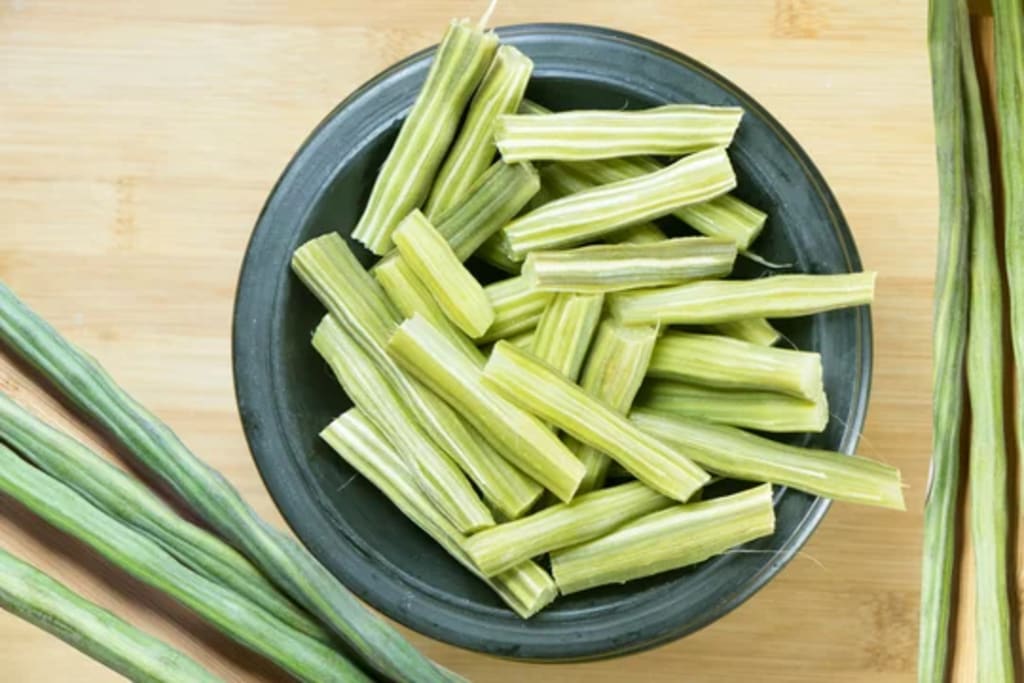
Drumstick, also known as Moringa oleifera, is a versatile and nutritious vegetable commonly found in tropical and subtropical regions. It is a fast-growing tree known for its slender, elongated pods that resemble drumsticks, hence the name. Drumstick pods are commonly consumed as a vegetable, and various parts of the tree, including the leaves, flowers, and roots, are also used for culinary and medicinal purposes.
Drumstick: Nutritious vegetable with slender pods used in curries; rich in vitamins, minerals, and antioxidants.
Here are some key points about drumstick vegetable:
1. Nutritional Value: Drumstick is highly valued for its nutritional content. It is rich in vitamins, minerals, and antioxidants. The pods are a good source of vitamin C, vitamin A, iron, calcium, and potassium.
2. Culinary Uses: Drumstick pods are typically harvested when they are young and tender. The outer skin is peeled, and the inner flesh and seeds are cooked and consumed. Drumsticks are commonly added to soups, stews, curries, and lentil dishes to enhance flavor and add a unique taste. They have a slightly bitter and earthy flavor.
3. Health Benefits: Drumsticks are known for their potential health benefits. They are believed to have anti-inflammatory, antimicrobial, and antioxidant properties. The vegetable is also said to aid digestion, boost the immune system, and help lower blood sugar levels. However, it's important to note that scientific research on the specific health benefits of drumsticks is ongoing.
4. Other Uses: Apart from being used as a vegetable, drumstick tree leaves can be cooked and consumed, similar to spinach. They are highly nutritious and often used in salads, stir-fries, and traditional dishes. Drumstick flowers are sometimes used in culinary preparations, such as salads or steeped to make a tea. The tree's roots, bark, and seeds are also utilized in traditional medicine and Ayurvedic practices.
5. Availability: Drumstick trees are commonly found in India, Southeast Asia, Africa, and other tropical regions. In some areas, fresh drumsticks may be available year-round, while in others, they have specific growing seasons.
Drumstick vegetable offers a unique taste and numerous potential health benefits, making it a popular ingredient in many cuisines and traditional practices.
Certainly! Here's a simple and flavorful drumstick recipe called Drumstick Curry:
Ingredients:
- 4-6 drumsticks, cut into 3-inch pieces
- 1 onion, finely chopped
- 2 tomatoes, finely chopped
- 2 teaspoons ginger-garlic paste
- 1 teaspoon cumin seeds
- 1 teaspoon mustard seeds
- 1 teaspoon turmeric powder
- 1 teaspoon red chili powder (adjust according to your preference)
- 1 teaspoon coriander powder
- 1/2 teaspoon garam masala
- Salt to taste
- 2 tablespoons oil
- Fresh coriander leaves for garnish
Instructions:
1. Heat oil in a large pan or skillet over medium heat. Add cumin seeds and mustard seeds. Let them splutter.
2. Add chopped onions and sauté until they turn translucent.
3. Add ginger-garlic paste and sauté for another minute until the raw aroma disappears.
4. Add chopped tomatoes and cook until they become soft and mushy.
5. Add turmeric powder, red chili powder, coriander powder, and salt. Mix well and cook for a minute.
6. Add drumstick pieces and coat them with the spice mixture. Cook for 2-3 minutes.
7. Pour enough water to cover the drumsticks. Cover the pan and simmer for about 15-20 minutes or until the drumsticks become tender.
8. Sprinkle garam masala and stir gently.
9. Garnish with fresh coriander leaves.
10. Serve the drumstick curry hot with steamed rice or roti (Indian bread).
Enjoy your delicious drumstick curry! Feel free to adjust the spices and seasonings according to your taste preferences.
Enjoy your meals with your family and friends and have a nice day.
About the Creator
Healthy lifestyle
Easiest and yummiest food recipes for all foodies.
Keep reading
More stories from Healthy lifestyle and writers in Lifehack and other communities.
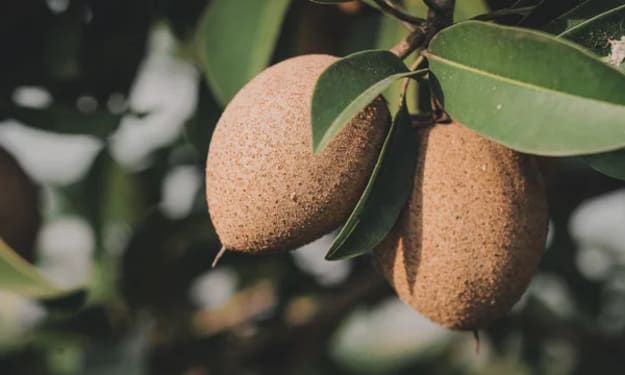
List of benefit and recipe of chikku fruit
The term "Chikku" refers to a tropical fruit also known as "sapodilla" or "chiku." It is a fruit that grows on a tree called Manilkara zapota, which is native to Mexico but is now widely cultivated in various tropical regions around the world, including India, Thailand, and the Philippines.
By Healthy lifestyle 3 years ago in Lifehack
How Sherman Lai Integrates Natural Therapies for Whole-Body Wellness
Many people have begun searching for natural methods to enhance their general health and well-being in recent years. Holistic healthcare concentrates on balancing the overall body rather than just treating symptoms. Because they promote long-term wellbeing, natural treatments including acupuncture, herbal medicine, and lifestyle counseling are growing in popularity. Sherman Lai, a practitioner renowned for this well-rounded approach, combines many natural healing techniques to assist people in achieving whole-body wellbeing.
By Sherman Lai Guelph3 days ago in Lifehack
Healthy Lifestyle Habits for Sustainable Weight Management
Living a healthy lifestyle has become a challenge for many people today. Modern routines often include long hours of sitting, irregular eating habits, fast food consumption, and limited physical activity. These habits can slowly affect the body and make it difficult to maintain a healthy weight.
By Backlinks Cart3 days ago in Lifehack
A More Human Vocal
When we launched Vocal nearly a decade ago, the world was a very different place. LLMs did not exist, and stories were created one at a time by people sitting down to write, revise, and share something personal. Many of our assumptions about publishing, trust, and participation were built for a world where effort and output were inseparable.
By Justin @ Vocal6 days ago in Resources



Comments
There are no comments for this story
Be the first to respond and start the conversation.