
Key Areas a Pool Inspector Assesses During Pool Inspections
Essential Aspects Evaluated by a Pool Inspector During Inspections
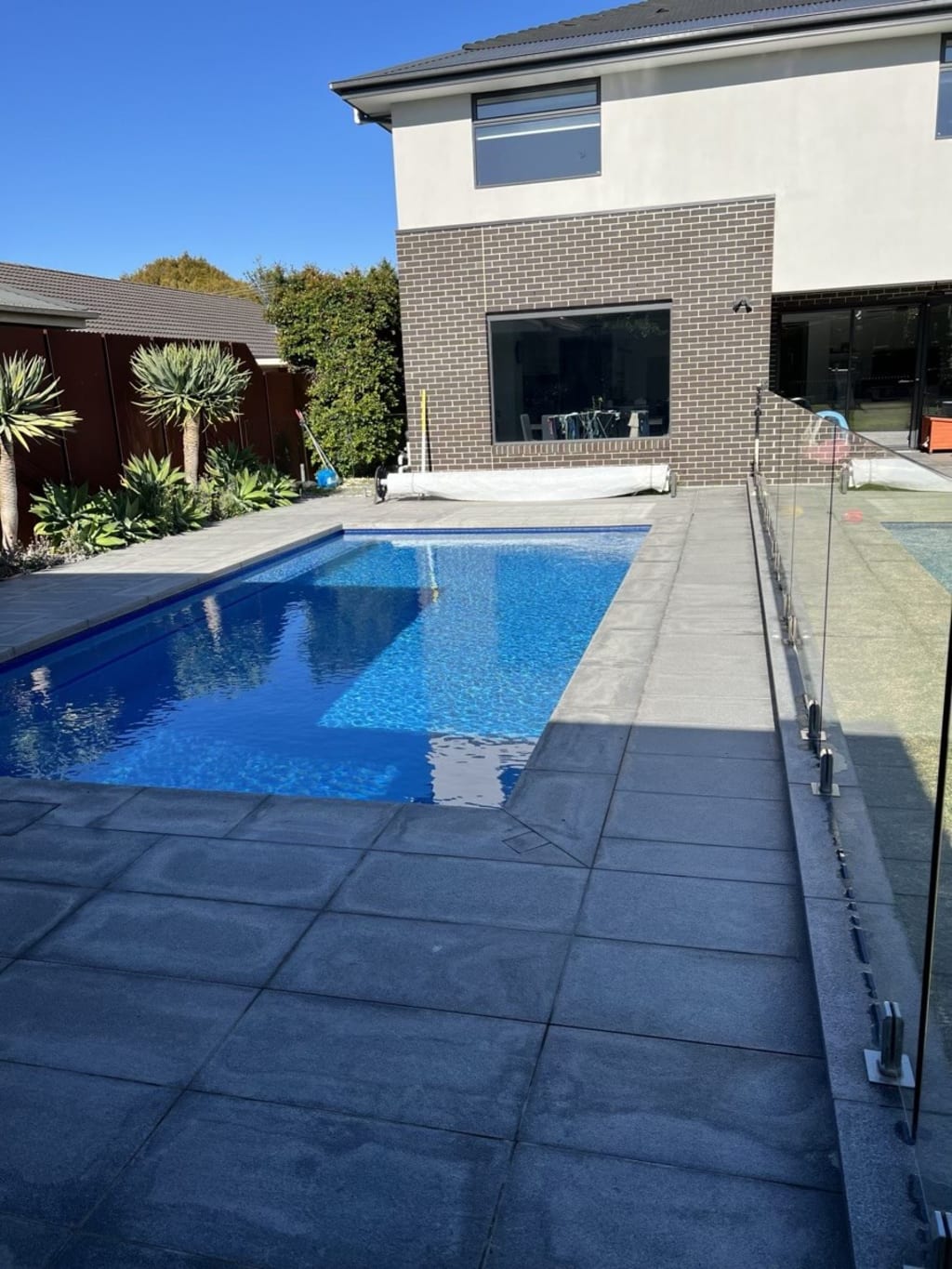
A professional swimming pool inspector follows a structured checklist based on Victorian safety laws. Here’s a breakdown of the role of a pool inspector:
1. Pool Barrier Height & Stability
The minimum required height for a pool fence is:
- 1.2 meters for standard barriers.
- 1.8 meters if using a boundary fence as part of the enclosure.
Inspectors verify that:
✅ The fence is secure, stable, and undamaged.
✅ No loose or broken panels compromise structural integrity.
✅ The barrier is made of approved materials like metal, glass, or timber.
2. Gate Safety & Functionality
A pool gate is a critical safety feature, and non-compliance is a common reason for inspection failure. Key requirements include:
✅ The gate must self-close and self-latch from any open position.
✅ It should swing outward away from the pool area for added security.
✅ The latch must be positioned at least 1.5 meters above the ground to prevent child access.
✅ The hinges must be tight and functional, with no loose fittings.
3. Gaps & Openings in the Barrier
Gaps in the fence can allow small children to squeeze through, making them a serious safety concern. Inspectors measure:
✅ Openings between fence panels, which must not exceed 100mm.
✅ Spaces under the fence, ensuring they are no more than 100mm from the ground.
Even minor gaps can lead to non-compliance, so pool owners must ensure their fence is properly secured with no excessive spacing.
4. Non-Climbable Zone (NCZ) Maintenance
A 900mm non-climbable zone (NCZ) must be maintained around the pool barrier to prevent children from using objects to climb over. During an inspection, professionals check for:
✅ Trees, shrubs, or overhanging branches within 900mm of the fence.
✅ Outdoor furniture, storage boxes, or decorative elements near the barrier.
✅ Retaining walls that could reduce the effective height of the fence.
To pass an inspection, homeowners must ensure the NCZ is free of climbable objects.
5. Windows & Doors Leading to the Pool
For pools located near houses, windows and doors providing direct access must comply with safety laws. Inspectors check for:
✅ Windows that do not open more than 100mm unless fitted with compliant security screens.
✅ Doors leading to the pool that are self-closing and self-latching.
Failure to secure windows and doors is a common reason for non-compliance.
6. Pool Area Ground Surface & Drainage
While often overlooked, the ground surface around a pool also impacts safety. Inspectors assess:
✅ Even ground levels to prevent trip risks.
✅ Proper drainage to prevent water accumulation, reducing slip risks.
Ensuring a safe, slip-resistant pool area helps homeowners meet compliance standards.
What Happens If a Pool Fails Inspection?
If a pool does not meet Victorian safety standards, the inspector issues a detailed report outlining necessary corrections. Homeowners are typically given up to 60 days to fix any issues before a follow-up inspection is conducted.
- If the barrier is compliant → A Certificate of Compliance is issued for submission to the council.
- If non-compliant issues remain → A Certificate of Non-Compliance is submitted, and further action may be required.
Some councils issue fines for ongoing non-compliance, so it is best to resolve issues promptly.
How Often Should Swimming Pool Inspections Be Conducted?
Under Victorian law, pool and spa owners must renew their compliance certificate every four years. Regular swimming pool inspections help identify early maintenance issues and keep the pool barrier up to standard.
Choosing a Certified Pool Inspector in Melbourne
When selecting a pool inspector in Melbourne, homeowners should consider:
✅ Licensed & Insured Inspectors – Ensure the inspector is registered with the VBA and carries proper insurance.
✅ Fast Compliance Reporting – A good inspector provides a detailed report within 24 hours.
✅ Follow-Up Re-Inspections – Some inspectors offer free re-inspections after corrections are made.
✅ Local Knowledge & Experience – Hiring an inspector familiar with Victorian safety laws ensures accurate assessments.
About the Creator
Keep reading
More stories from Leigh Harrington and writers in Lifehack and other communities.
The Lifesaving Role of Pool Barrier Inspections
Pool barriers are essential for ensuring the safety of young children around swimming pools. Following Melbourne's pool barrier regulations, parents and caregivers can significantly reduce the risk of drowning accidents and create a safer environment for children to enjoy swimming.
By Leigh Harringtonabout a year ago in Lifehack
Winter Storm Updates: Heavy Snow, Crippling Ice and Frigid Temperatures Forecast to Hit More Than Two Dozen States This Weekend
A major winter storm is taking shape and poised to unleash heavy snow, widespread ice, dangerous travel conditions, and brutally cold temperatures across a vast swath of the United States this weekend. Meteorologists say this system could become one of the most impactful storms of the winter season, affecting millions of people from the Southern Plains all the way to the Northeast.
By Salaar Jamali6 days ago in Lifehack
Growing Calm from the Ground Up: Healing Through Horticulture for PTSD Relief
Trauma can change how the brain and body respond to the world. For many people, peace feels distant and hard to reach. In recent years, healing through horticulture has gained attention as a gentle and natural way to support people living with PTSD. Gardening offers calm spaces, simple actions, and steady routines. These elements help reduce fear, stress, and emotional overload. This article explores how gardening supports PTSD recovery in practical, meaningful ways.
By Darke Hull3 days ago in Lifehack




Comments
There are no comments for this story
Be the first to respond and start the conversation.