
The Quiet Power of Homegrown Vegetables – A Gardener’s Return to the Soil (USA)
Discover how vegetable gardening reconnects us with nature, improves health, and transforms even the smallest spaces into productive, living landscapes.

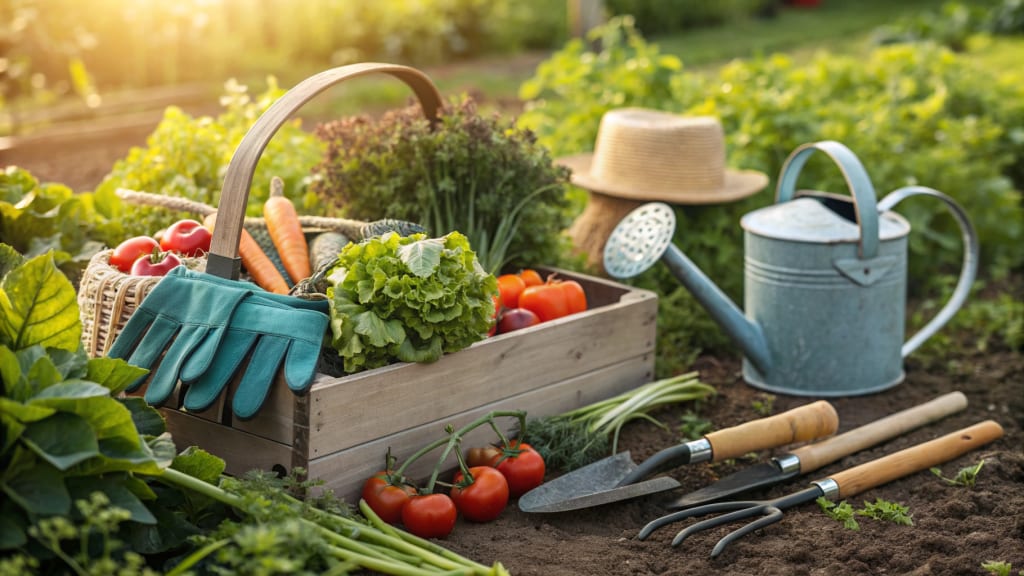
Vegetable gardening doesn’t always begin with grand intentions. For many, it starts with a single tomato plant on a balcony, a forgotten packet of seeds in a drawer, or a quiet desire to eat something truly fresh. Yet from these small beginnings, a powerful transformation often follows—one that reshapes how we view food, time, and the land beneath our feet.
In an age of convenience and instant gratification, growing vegetables at home feels almost rebellious. It slows us down. It asks for patience. And in return, it offers something rare: a tangible connection between effort and reward.
A Tradition Rooted in History
Long before grocery stores and refrigerated trucks, vegetable gardens were a necessity rather than a hobby. Across early America, kitchen gardens supplied families with beans, squash, onions, and leafy greens—often grown just steps from the back door. These gardens weren’t ornamental; they were practical, seasonal, and deeply tied to survival.
During World War II, “Victory Gardens” became symbols of resilience, producing nearly 40% of the nation’s vegetables at their peak. Today, while the urgency has shifted, the spirit remains. Modern vegetable gardening is less about necessity and more about intention—choosing freshness, sustainability, and self-reliance in a world that often feels disconnected from its food sources.
Why Vegetable Gardening Still Matters
There’s a quiet satisfaction in harvesting something you’ve grown yourself. A carrot pulled from the soil tastes sweeter. A tomato warmed by the sun carries a depth of flavor no store-bought version can match. But the benefits of vegetable gardening extend far beyond taste.
Homegrown vegetables are often more nutritious, harvested at peak ripeness instead of being picked early for transport. Gardening also encourages healthier eating habits—people are far more likely to cook with vegetables they’ve nurtured themselves. Beyond nutrition, the act of gardening reduces stress, promotes physical movement, and offers a sense of purpose that’s hard to replicate elsewhere.
Even small gardens—raised beds, containers, or vertical setups—can yield impressive results. Lettuce, peppers, herbs, and cherry tomatoes thrive in limited spaces, making vegetable gardening accessible to urban and suburban growers alike.
Getting Started: Less Complexity Than You Think
One of the biggest myths about vegetable gardening is that it’s complicated. In reality, success often comes from simplicity.
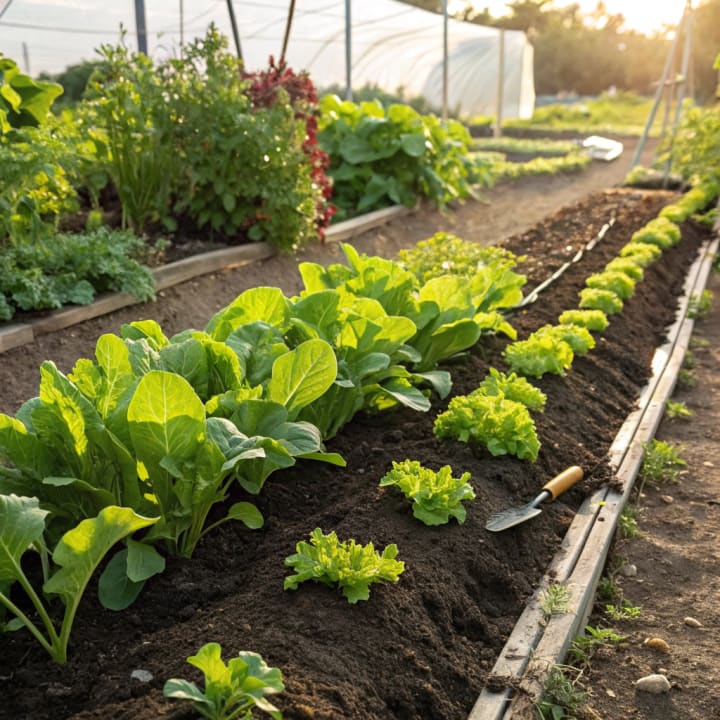
Start with vegetables suited to your climate and season. Cool-weather crops like lettuce, spinach, and peas prefer spring and fall, while tomatoes, cucumbers, and zucchini flourish in summer heat. Choose a sunny location—most vegetables need at least six hours of direct sunlight—and focus on well-draining soil enriched with compost.
Water consistently, but don’t overdo it. Many beginner gardeners mistake enthusiasm for care, drowning plants that prefer steady, moderate moisture. Observing your garden daily teaches you more than any guidebook ever could.
For gardeners looking to dive deeper into plant-specific growing advice, resources like The Brown Chair’s vegetable gardening guides offer detailed, experience-based insights without overwhelming newcomers.
Common Challenges—and Simple Solutions
Every vegetable garden faces obstacles. Pests, uneven growth, and unpredictable weather are part of the process, not signs of failure. Aphids and caterpillars can often be controlled with natural solutions like neem oil or encouraging beneficial insects. Mulching helps regulate soil temperature and retain moisture, while crop rotation reduces disease buildup over time.
Perhaps the most important lesson vegetable gardening teaches is acceptance. Not every season will be perfect. Some plants will thrive while others struggle. Each setback becomes part of the learning curve, sharpening intuition and building confidence for the next planting.
More Than Food: A Lifestyle Shift
What begins as a hobby often evolves into something deeper. Vegetable gardening changes how people shop, cook, and even socialize. Excess harvests are shared with neighbors. Meals become seasonal by default. Waste decreases, appreciation increases.
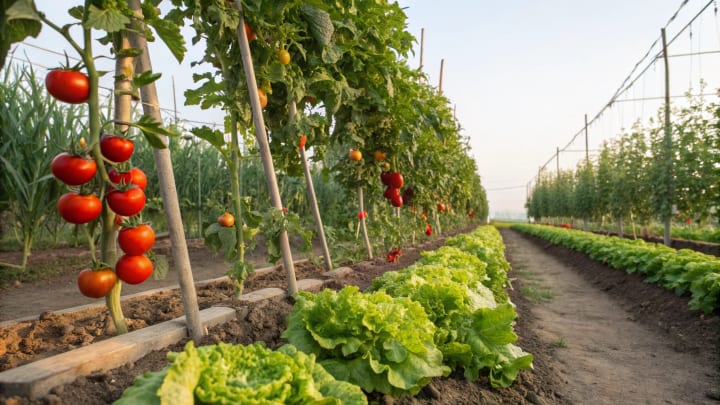
In many ways, a vegetable garden is a quiet form of independence. It doesn’t reject modern life—but it balances it. It reminds us that nourishment doesn’t only come from packages and shelves, but from soil, sunlight, and care applied consistently over time.
The Harvest Beyond the Plate
At the end of the season, the true reward of vegetable gardening isn’t just what ends up on the table. It’s the rhythm it creates, the patience it teaches, and the connection it restores—to nature, to food, and to ourselves.
Whether you’re planting your first seed or expanding an existing garden, growing vegetables is an invitation to slow down and participate in something ancient and enduring. And sometimes, that’s exactly what modern life is missing.
About the Creator
The Brown Chair
The Brown Chair is all about helping you create a home and garden that feels like your favorite chair—comfortable, welcoming, and totally you.
Keep reading
More stories from The Brown Chair and writers in Humans and other communities.
The Vibrant Crape Myrtle - A Southern Gem (USA)
The crape myrtle tree, with its cascading blooms and graceful silhouette, is a beloved staple of Southern landscapes. Known scientifically as Lagerstroemia, this deciduous tree or shrub paints gardens, streets, and parks with bursts of color from summer to early fall.
By The Brown Chair6 months ago in Lifehack
Lost and Alone in the French Alps
Looking back, I can trace some of my life’s biggest adventures to a simple action from my sister. She’d introduced me to Tommy (a very long time ago), a colleague of hers, who had overshared his penchant for Italian-looking women, and I ticked that box.
By Chantal Christie Weiss20 days ago in Humans
Adaptability: The Skill That Future-Proofs Your Career
Introduction: Why Adaptability Is the New Career Insurance The modern job market is changing at an unprecedented pace. Automation, artificial intelligence, remote work, and global competition have reshaped how careers are built and sustained. In this environment, technical expertise alone is no longer enough. The single most important skill that separates professionals who thrive from those who struggle is adaptability.
By Muhammad Talha Ahmad6 days ago in Humans




Comments
There are no comments for this story
Be the first to respond and start the conversation.