
“Japanese Walking vs Power Walking: Which One Is Better for Fitness and Weight Loss?”
Discover the key differences, benefits, and best choice between Japanese Walking and Power Walking to improve stamina, burn calories, and boost heart health.


Walking may be one of the simplest exercises, but the way you walk can completely change your results. Two styles—Japanese Walking and Power Walking—are gaining attention worldwide. Both are effective, yet they offer different benefits. Let’s dive in and see which style is right for you.
What Is Japanese Walking?
Japanese Walking, also called the 3-3 method, comes from fitness research in Japan. Instead of walking at one steady pace, you alternate between fast and slow intervals.
3 minutes brisk walking (around 70% effort).
3 minutes slow walking (about 40% effort).
Repeat for a total of 30 minutes.
This structured routine combines rhythm, recovery, and energy bursts in one simple session.
Benefits of Japanese Walking
Endurance: Builds stamina gradually.
Joint-Friendly: Less stress on knees and ankles.
Heart Health: Improves circulation and lung capacity.
Beginner-Friendly: Suitable for all ages.
Mental Calmness: The back-and-forth rhythm feels almost meditative.
Japanese Walking is perfect for anyone who wants a sustainable and balanced workout without pushing too hard.

What Is Power Walking?
Power Walking is about consistency and speed. Unlike the interval style of Japanese Walking, this method keeps you at a steady, high pace for the whole session.
Fast stride, straight posture, and strong arm swings.
Intensity at about 7/10—you can talk, but not sing.
Sessions usually last 30–60 minutes.
It’s not just a brisk stroll—it’s a full low-impact cardio workout.
Benefits of Power Walking
Higher Calorie Burn: Great for weight management.
Cardio Training: Strengthens the heart and lungs.
Muscle Engagement: Works legs, arms, shoulders, and core.
Time Efficient: Delivers results faster.
Toning & Fat Loss: Especially effective for fitness goals.
Power Walking is best for people who enjoy intensity and quick results.

Side-by-Side Comparison
Feature Japanese Walking (3-3) Power Walking
Intensity Alternates fast & slow Steady, high pace
Calories Burned Moderate Higher
Best For Beginners, joint safety Weight loss, cardio endurance
Duration 30 minutes 30–60 minutes
Feeling Relaxing, meditative Energetic, motivating
Which Style Should You Choose?
If you’re just starting out, Japanese Walking gives your body time to adjust.
If your goal is weight loss or cardio strength, Power Walking will push you harder.
If you get bored easily, Japanese Walking’s rhythm is more engaging.
If you love intensity, Power Walking keeps you fired up.
Can You Combine Both?
Yes! A great weekly plan could look like this:
3 days of Japanese Walking for endurance and recovery.
2–3 days of Power Walking for calorie burning and toning.
This way you cover both stamina and strength, while avoiding boredom.
Walking is one of the most natural forms of exercise, but the way you walk can make a big difference to your results. Japanese Walking, also known as the 3-3 method, is a structured routine developed from Japanese fitness research. It works on the principle of alternating between brisk walking and slow walking. Typically, the walker moves at a fast pace for three minutes (around 70% effort) and then shifts to a slower, more relaxed pace for the next three minutes (about 40% effort). This cycle is repeated for about 30 minutes, making the workout rhythmic and balanced. The alternating pattern improves endurance without overstraining the body, reduces pressure on joints, and keeps the heart engaged while still being easy to follow. It is beginner-friendly, accessible for all ages, and even has a calming, meditative effect. Japanese Walking is therefore an excellent choice for people who want to stay active without pushing themselves too hard, while still gaining benefits for stamina, heart health, and mental well-being.
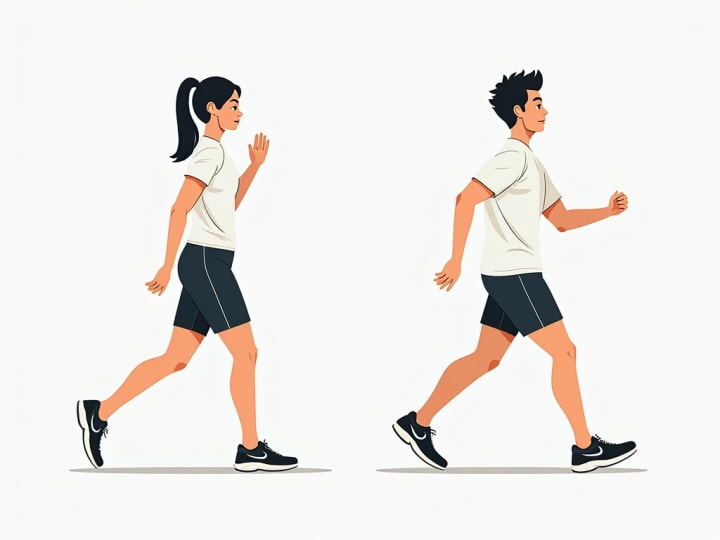
Power Walking, on the other hand, is designed for people who want to move faster and achieve more intensity from their walking sessions. Unlike Japanese Walking, Power Walking does not include slow intervals. Instead, the walker maintains a steady, fast pace throughout the session, usually lasting between 30 and 60 minutes. The technique focuses on long strides, straight posture, and swinging arms to increase upper body engagement. Intensity is usually at a level where you can talk but not sing, making it a true low-impact cardio workout. Because of its consistency and speed, Power Walking helps burn more calories, tones muscles, improves cardiovascular strength, and saves time while still delivering results. This style of walking is perfect for those who aim for weight loss, better heart health, or stronger muscle activation, and it provides an energetic and motivating experience for people who enjoy intensity.
When comparing Japanese Walking and Power Walking, the main difference lies in pace and outcome. Japanese Walking alternates between moderate and light intensity, making it gentler on the body while still boosting stamina, whereas Power Walking maintains a higher intensity that burns more calories and strengthens the cardiovascular system faster. Japanese Walking is relaxing and sustainable, while Power Walking is energetic and more suitable for fitness-driven goals. The choice depends on your personal needs: beginners or those with joint issues may find Japanese Walking more comfortable, while those looking for fat loss or quick cardio improvements may prefer Power Walking. In fact, both methods can complement each other. Many people combine them by practicing Japanese Walking a few days a week for recovery and endurance, and Power Walking on other days for calorie burn and strength. In the end, the most important factor is consistency. Whether you prefer the calm rhythm of Japanese Walking or the energetic drive of Power Walking, both styles can help you walk your way toward better health and a stronger lifestyle.
Final Thoughts
Walking is the most natural exercise, but how you walk shapes your results. Japanese Walking gives you rhythm, recovery, and steady progress, while Power Walking delivers speed, calorie burn, and muscle activation.
There’s no “one-size-fits-all.” The best choice depends on your goals, energy levels, and lifestyle. Whether you choose intervals or intensity, the key is consistency. If you enjoy it, you’ll stick with it—and that’s where real results come from.
So next time you lace up your shoes, ask yourself: Do I want calm rhythm today, or energetic drive? Either way, you’re walking your way to better health.
About the Creator
Kiruthigaran Mohan
art writing...
Keep reading
More stories from Kiruthigaran Mohan and writers in Lifehack and other communities.
Quadrobics Workout: The Viral Animal-Inspired Fitness Trend You Must Try
When it comes to fitness, people are always on the lookout for something fresh, fun, and effective. While gyms, yoga studios, and running tracks remain popular, a new workout trend has begun to catch everyone’s attention — Quadrobics. This animal-inspired movement style is spreading quickly on social media and is being hailed as one of the most exciting ways to improve strength, flexibility, and endurance without any fancy equipment.
By Kiruthigaran Mohan5 months ago in Lifehack
The Devil's Cut
“Comrade, finally you’re awake.” The voice was smooth, sensual. A flickering incandescent bar was all that lit the white, sterile room. All Vladimir remembered was everything going black. He tried to move his arms and found them strapped to the gurney.
By Matthew J. Fromm5 days ago in Fiction




Comments
There are no comments for this story
Be the first to respond and start the conversation.